1. Overview
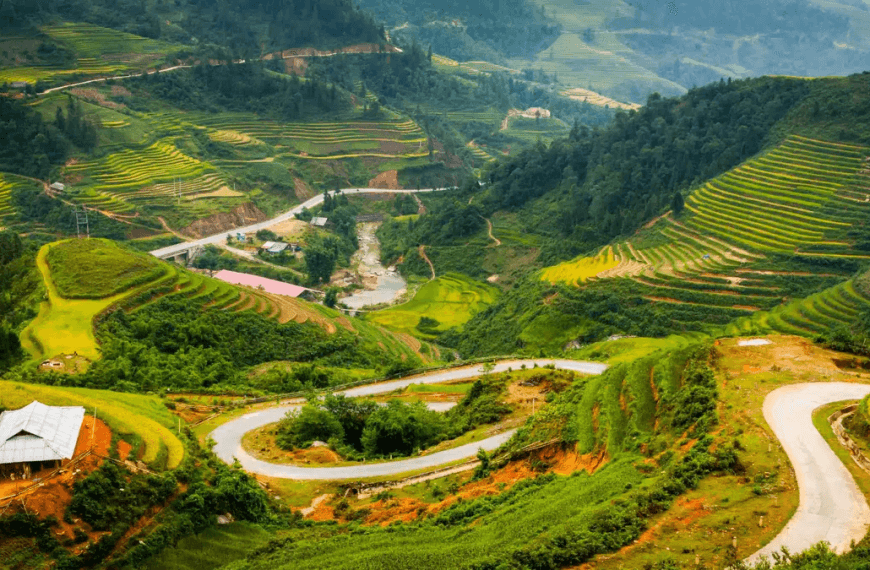
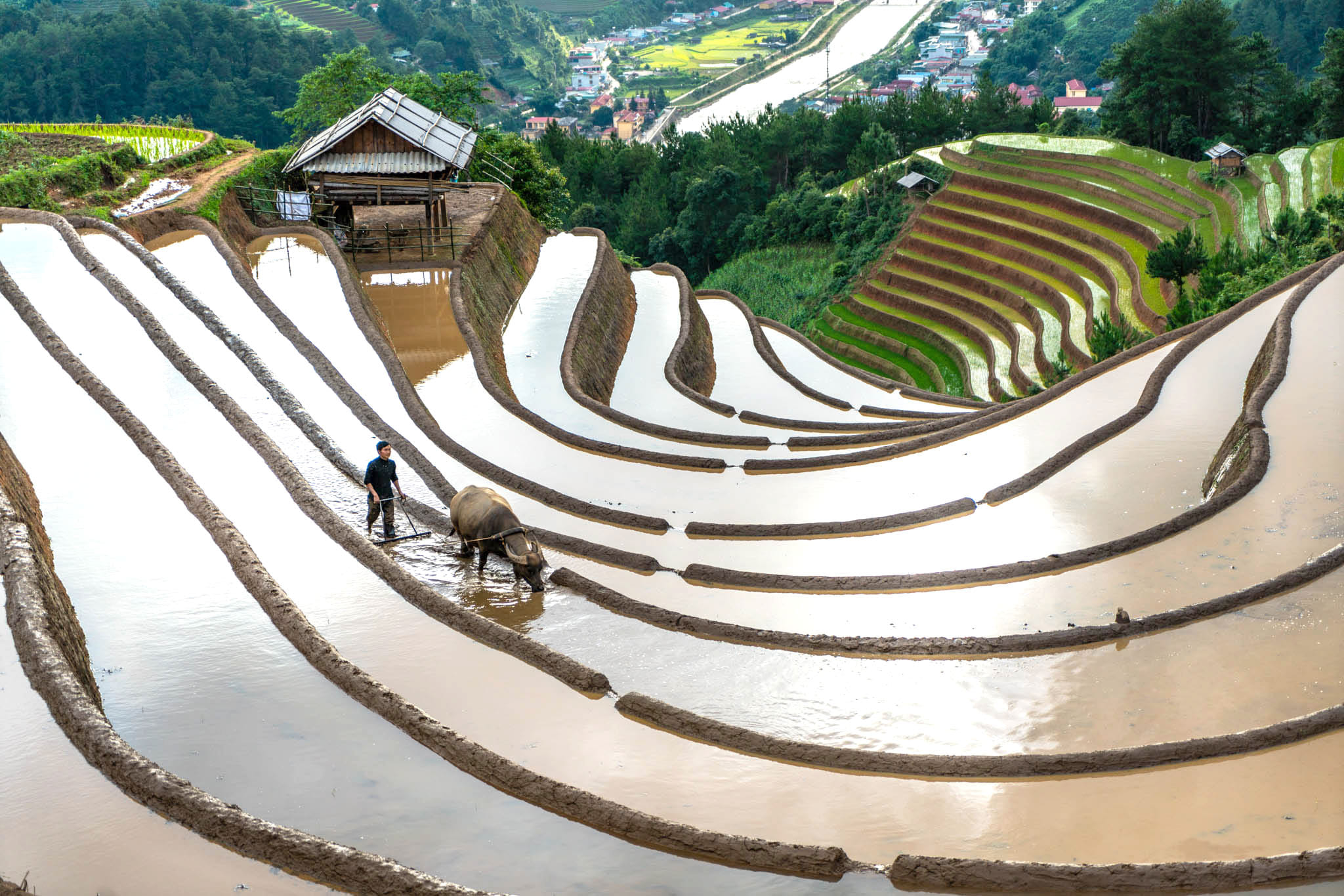
March is one of the most favourable months to visit Ha Giang, offering mild temperatures, clear visibility, and vibrant landscapes that make the region exceptionally appealing for both sightseeing and motorbike touring. As Ha Giang transitions from winter into early spring, the mountains begin to flourish with blooming peach blossoms, plum flowers, and bright rapeseed fields that paint the valleys and villages in vivid seasonal colours. March is also an excellent time for travellers considering the Ha Giang Loop, as road conditions are generally dry, scenery is at its most photogenic, and temperatures are comfortable throughout the day. This month provides a balance of beauty, safety, and accessibility that appeals to first-time visitors as well as repeat travellers. For those comparing conditions across the year, resources such as Vietnam in March offer broader climate context. Overall, March offers a scenic and enjoyable experience, especially for travellers seeking Ha Giang’s mountainous landscapes at their most vibrant.
📩 Got a question? Feel free to let us know by sending us a text on WhatsApp: +84868974028 or connect with us on our Facebook Page . We will absolutely offer you a free consultation, the best quotes, and promotions!
2. Ha Giang Weather in March
Weather in Ha Giang during March is generally cool, dry, and stable, providing ideal conditions for the Ha Giang Loop. Average temperatures range from 14°C in the early morning to around 22–26°C during the afternoon, although mountainous passes such as Ma Pi Leng may feel cooler due to strong winds. Rainfall is relatively rare in March, and when it occurs, it tends to be short and light, meaning road conditions remain safer compared to rainy-season months. The improved visibility and less humid atmosphere make scenic viewpoints especially compelling, particularly along Quan Ba Heaven Gate, Du Gia valley, and the northern sections near Lung Cu. Travellers sensitive to cold will appreciate that March is noticeably warmer than Ha Giang in February but still significantly cooler than the summer months. For additional perspective on seasonal conditions along northern routes, visitors may compare similar spring climates in destinations such as Sapa in February or Hanoi in February.
3. Is March a Good Time to Do the Ha Giang Loop?
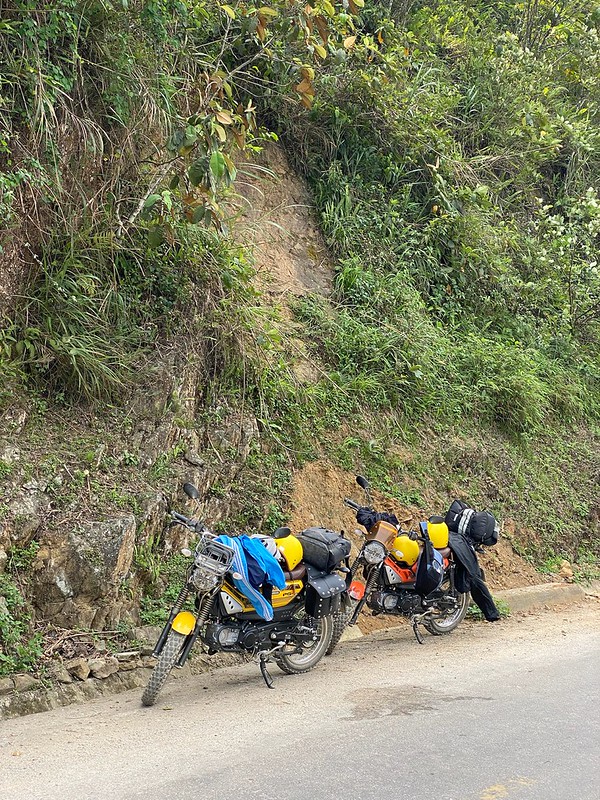
March is widely considered one of the best times for completing the Ha Giang Loop. The roads are drier than in winter, visibility is excellent, and the risk of slippery surfaces is significantly lower compared to the rainy months of July, August, and September. The scenery is exceptionally stunning, with spring blossoms covering villages and terraced fields. Temperatures are cool enough to allow comfortable riding without the freezing conditions sometimes encountered in January and February. For first-time riders or travellers with limited experience, March offers a safer, more predictable environment where road conditions are favourable and the weather supports long hours on the motorbike. The absence of peak tourism crowds, which arrive between September and November, also allows a more relaxed experience at key viewpoints such as Ma Pi Leng Pass. Travellers comparing March with autumn conditions can refer to Ha Giang Loop in October or Ha Giang in November to understand differences in scenery and climate.
4. Best Things to Do in Ha Giang in March
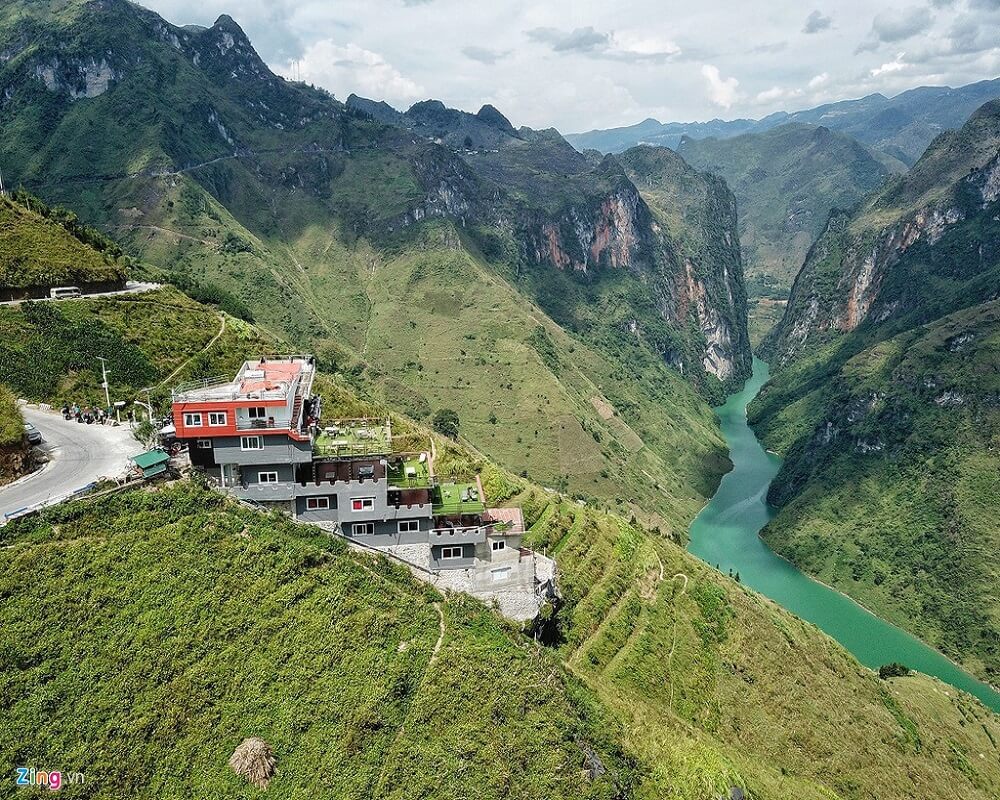
Beyond completing the Ha Giang Loop, March offers numerous opportunities to appreciate the region’s cultural and natural beauty. The blooming season enhances iconic attractions such as the Dong Van Karst Plateau, where limestone formations contrast dramatically with springtime colours. The Lung Cu Flag Tower provides an excellent vantage point over northern Vietnam, especially with March’s clear skies. Dong Van Ancient Town is another highlight, with historic homes, markets, and unique Hmong architecture that feel especially atmospheric during spring. For nature enthusiasts, the Ma Pi Leng Pass offers some of the most astonishing views in Vietnam, with deep canyons, winding roads, and towering cliffs. The dry conditions also make trekking in villages around Du Gia and Quan Ba more feasible. For travellers wishing to connect Ha Giang with other northern destinations known for spring scenery, guides such as Sapa in February and Ninh Binh in February provide useful comparisons.
5. Events and Seasonal Highlights in March
March is not dominated by major national holidays, but it is rich in seasonal beauty and local cultural activities. Ethnic minority communities across Ha Giang often hold small village markets and local gatherings that showcase traditional crafts, clothing, and food. The Sunday Market in Dong Van and Meo Vac remains vibrant throughout the month, providing travellers with opportunities to observe authentic local culture. March also marks the peak blooming period for peach blossoms and plum flowers, especially in higher-altitude villages such as Sung La and Lung Cam. These landscapes provide excellent photography opportunities and a fresh, uplifting atmosphere for visitors. Because March is a shoulder season, the region is less crowded than peak autumn months, allowing travellers to enjoy top viewpoints and scenic stops with more privacy and calm.
6. Travel Tips for Ha Giang in March
Travelling to Ha Giang in March is rewarding but requires planning, especially for those attempting the Ha Giang Loop. Early mornings can still be cool, so dressing in layers is recommended, particularly for riding long distances on motorbikes. Sunlight can be strong during the day, making sunscreen and sunglasses essential. Although rainfall is minimal, weather in mountainous regions can be unpredictable, so a lightweight waterproof jacket or windbreaker is advisable. Travellers should book accommodation in advance, especially in Dong Van and Meo Vac, which are popular overnight stops. For those combining Ha Giang with other northern destinations, exploring climates such as Hanoi in February or Ninh Binh in February can help shape a sequential itinerary. Finally, hiring experienced guides or choosing reputable motorbike tour companies enhances safety and provides deeper cultural insights.
7. What to Pack for Ha Giang in March
Packing for Ha Giang in March should balance warmth, comfort, and flexibility. Travellers completing the Ha Giang Loop should bring layered clothing, including base layers for early mornings, long-sleeved shirts for daytime riding, and a warm outer layer for high-altitude areas. A windproof jacket or light rain jacket is essential for sudden mountain breezes. Comfortable footwear is important for both riding and short treks in villages. Sun protection—including sunscreen, sunglasses, and a cap—is necessary, as UV levels increase during the dry season. Gloves, knee pads, and elbow protection are recommended for motorbike riders. A compact backpack is useful for carrying water, snacks, and essential documents. For general packing guidance across Vietnam, travellers may also refer to Essential Tips for First-Time Travellers to Vietnam.
Related Guides (Internal Links)
Ha Giang in February
Ha Giang Loop in January
Ha Giang Loop in October
Ha Giang in November
Ha Giang Loop in December
Vietnam in March
Sapa in February
Hanoi in February
Ninh Binh in February
Essential Tips for First-Time Travellers to Vietnam
📩 Got a question? Feel free to let us know by sending us a text on WhatsApp: +84868974028 or connect with us on our Facebook Page . We will absolutely offer you a free consultation, the best quotes, and promotions!