1. Overview
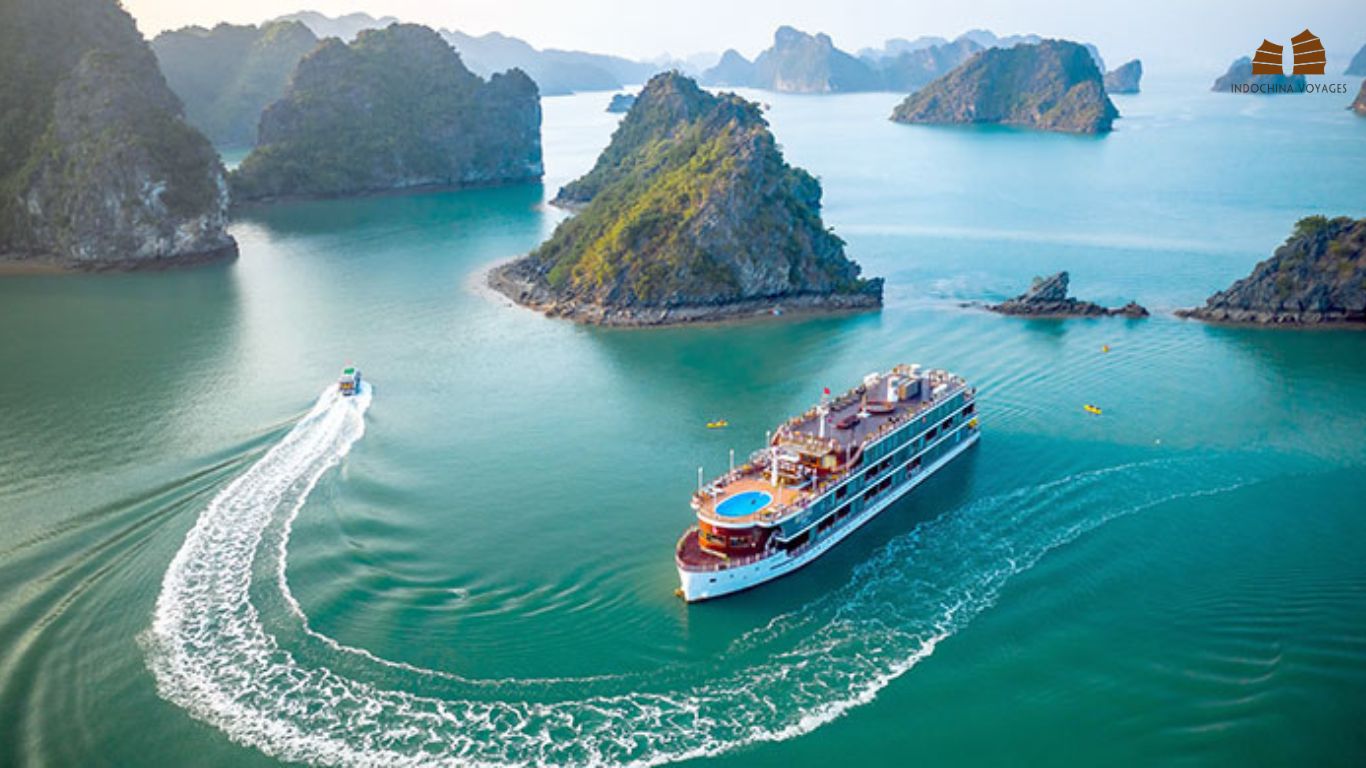
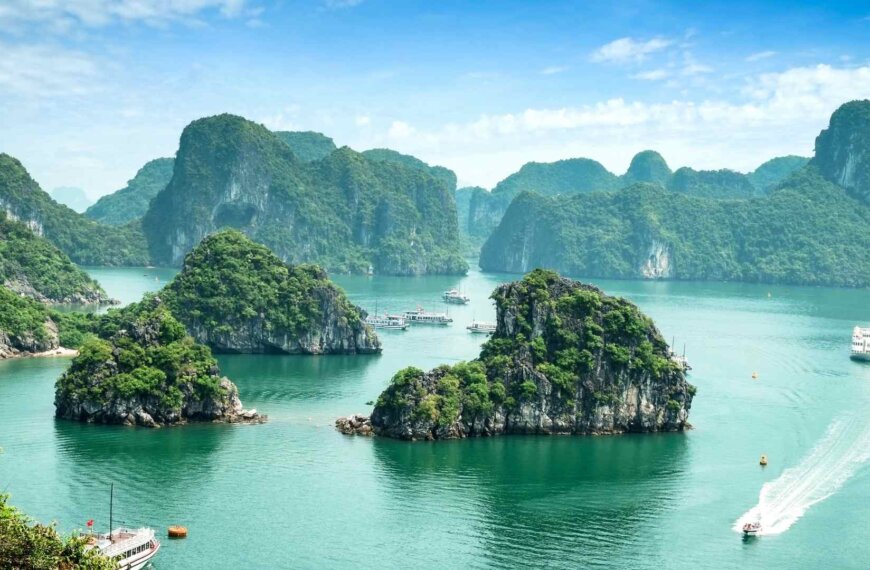
Ha Long Bay is Vietnam’s most iconic natural attraction, renowned for its emerald waters and thousands of limestone karsts rising dramatically from the Gulf of Tonkin. Located in northeastern Vietnam, Ha Long Bay is a UNESCO World Heritage Site and a highlight for both first-time and returning visitors. Most travellers experience the bay through overnight or day cruises, which provide access to caves, floating villages, and secluded lagoons not reachable by land. Ha Long Bay can be visited year-round, but weather and sea conditions vary significantly by season, making timing an important factor. Compared with inland destinations such as Ninh Binh or Sapa, Ha Long Bay offers a marine-focused experience centred on scenery, relaxation, and light adventure. When combined with Hanoi, Ha Long Bay fits easily into short itineraries and longer north-Vietnam journeys alike. Its accessibility, natural beauty, and variety of cruise options make it one of the most popular destinations in the country.
📩 Got a question? Feel free to let us know by sending us a text on WhatsApp: +84868974028 or connect with us on our Facebook Page . We will absolutely offer you a free consultation, the best quotes, and promotions!
2. Where Is Ha Long Bay & How to Get There
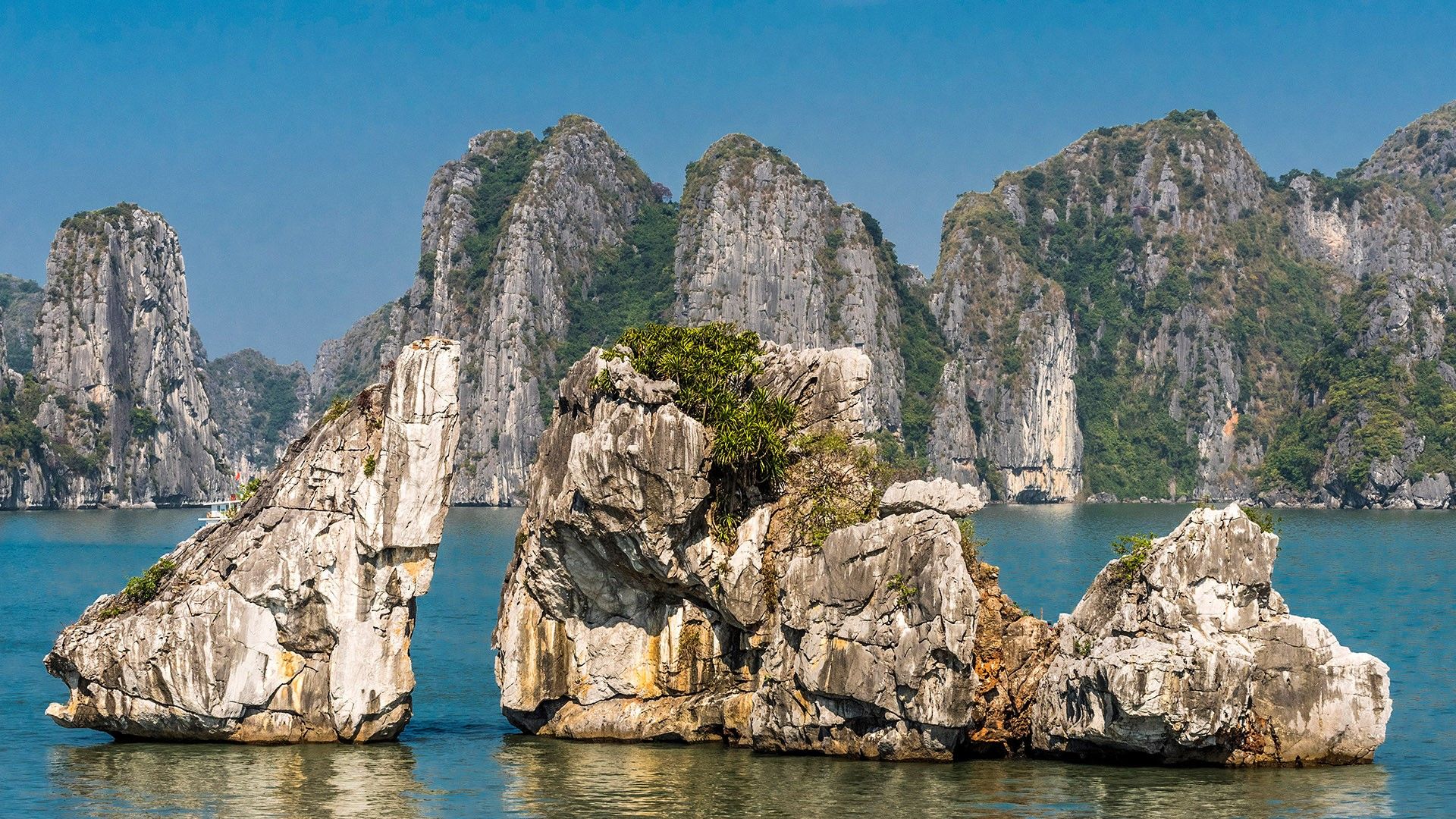
Ha Long Bay is located approximately 160 kilometres east of Hanoi, making it one of the most accessible natural attractions from the capital. Most travellers depart from Hanoi by shuttle bus, private transfer, or limousine service, with travel times ranging from 2.5 to 3 hours via modern expressways. Cruises typically depart from Tuan Chau Marina or Ha Long International Cruise Port. For travellers arriving internationally, Hanoi’s Noi Bai International Airport serves as the main gateway before onward travel to the bay. During peak travel periods, reviewing the Vietnam Travel Airport Arrival Guide can help streamline entry procedures, while the Vietnam Fast-Track Service Airport may reduce waiting time during busy seasons. Independent travellers can also arrange private transportation, offering flexibility for customised itineraries. Compared with more remote destinations such as Ha Giang or Sapa, Ha Long Bay requires minimal logistical planning, making it suitable for travellers with limited time.
3. Best Things to Do in Ha Long Bay
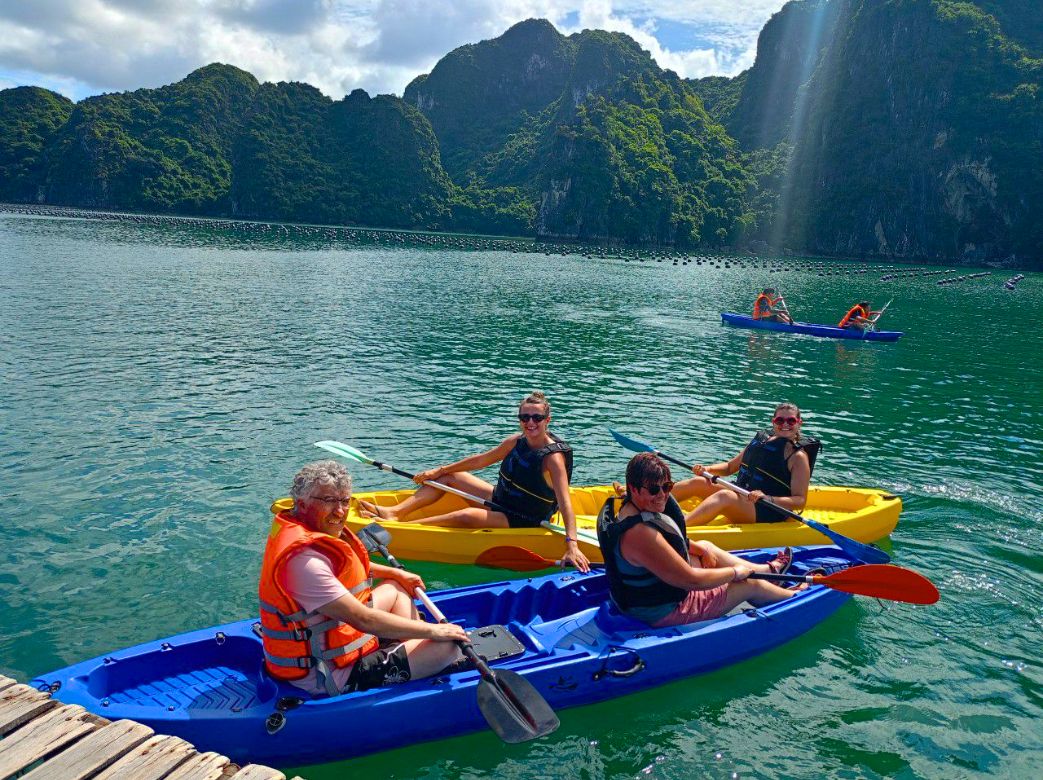
The core Ha Long Bay experience revolves around cruising. Overnight cruises allow visitors to explore limestone karsts, hidden caves, and quiet anchorages away from day-trip crowds. Activities commonly included are kayaking through lagoons, visiting caves, swimming during warmer months, and enjoying sunrise or sunset views from the deck. Day cruises are suitable for travellers on tight schedules but offer a more condensed experience. Some cruises include stops at floating fishing villages or viewpoints overlooking the bay. Compared with coastal beach destinations such as Nha Trang or Phu Quoc, Ha Long Bay focuses more on scenery and gentle activity rather than swimming or nightlife. Choosing between different routes and cruise styles is an important decision, as routes vary in crowd levels and scenery. Seasonal considerations also affect activities, as described in monthly guides such as Ha Long Bay in March and Ha Long Bay in October, which highlight differences in visibility and sea conditions.
4. Best Time to Visit Ha Long Bay
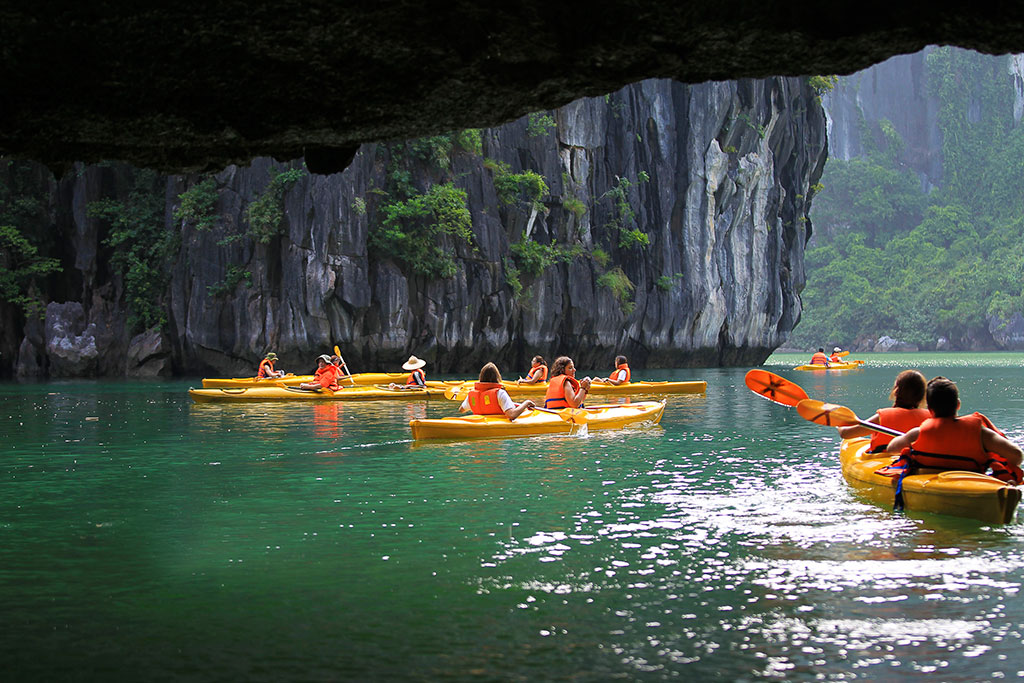
Ha Long Bay can be visited year-round, but weather conditions vary by season. Spring (March to April) offers mild temperatures and generally good visibility, making it one of the most popular periods. Summer (June to August) brings warmer temperatures but also higher rainfall and occasional storms, which may disrupt cruise schedules. Autumn (September to October) often provides clear skies and comfortable temperatures, though occasional typhoons can occur. Winter (December to February) is cooler, with misty mornings that create atmospheric scenery but limit swimming. Travellers planning seasonal visits may find detailed breakdowns useful in guides such as Ha Long Bay in January, Ha Long Bay in April, or Ha Long Bay in September. Compared with inland destinations, Ha Long Bay is more sensitive to weather conditions, making seasonal planning especially important.
5. Where to Stay: Cruise vs. Land-Based Options
Most visitors stay overnight on a cruise, which combines accommodation, meals, and activities into a single package. Cruise options range from budget vessels to luxury ships with private balconies and spa services. Staying onboard allows travellers to experience quieter parts of the bay after day-trip boats depart. Alternatively, land-based hotels in Ha Long City or Tuan Chau Island offer flexibility and lower costs but require separate arrangements for day cruises. Compared with destinations like Hanoi or Da Nang, accommodation decisions in Ha Long Bay are closely tied to the type of experience desired. Travellers seeking relaxation and scenery generally prefer overnight cruises, while budget-conscious or short-stay visitors may opt for day trips with hotel stays on land.
6. Practical Travel Tips for Ha Long Bay
Travellers should book cruises in advance, particularly during peak seasons and weekends. Reading detailed itineraries helps ensure activities align with expectations, as cruise quality and routes vary widely. Packing should consider seasonality, with light clothing and sun protection for warmer months, and layers for cooler winter cruises. Motion-sensitive travellers may wish to choose larger vessels for stability. Navigation and logistics around Hanoi transfers are simplified using tools listed in Best Apps for Vietnam Travel. First-time visitors may also benefit from Essential Tips for First-Time Travellers to Vietnam, particularly regarding currency, connectivity, and etiquette when interacting with cruise staff.
7. What to Pack for Ha Long Bay
Packing for Ha Long Bay depends on the season and cruise length. Lightweight clothing, swimwear, and sun protection are essential during warmer months. In cooler seasons, a light jacket is recommended for evenings on deck. Comfortable footwear supports onboard movement and cave visits. A small backpack is useful for shore excursions and kayaking activities. Seasickness medication may be helpful for sensitive travellers. Digital tools recommended in Best Apps for Vietnam Travel assist with booking management and navigation, while general preparation advice can be found in Essential Tips for First-Time Travellers to Vietnam.
Related Guides (Internal Links)
Essential Tips for First-Time Travellers to Vietnam
Best Apps for Vietnam Travel
Vietnam Travel Airport Arrival Guide
Vietnam Fast-Track Service Airport
📩 Got a question? Feel free to let us know by sending us a text on WhatsApp: +84868974028 or connect with us on our Facebook Page . We will absolutely offer you a free consultation, the best quotes, and promotions!