Ho Chi Minh City (HCMC), often still referred to as Saigon, is Vietnam’s largest metropolis and an energetic commercial hub known for its dynamic street life, thriving culinary scene, modern skyline, and profound historical landmarks. As the economic engine of Vietnam, the city combines traditional cultural layers with rapid urban development, offering travellers an exciting blend of old and new. The atmosphere is fast-paced, energetic, and full of contrasts, with sleek rooftop bars rising beside French colonial architecture, and quiet temples hidden behind bustling local markets. Because HCMC is warm year-round, travellers may want to compare seasonal variations such as those outlined in Ho Chi Minh City in January and Ho Chi Minh City in February to identify the ideal travel window. The city serves as a gateway to southern Vietnam, connecting visitors to the Mekong Delta, Cu Chi Tunnels, Phu Quoc, and other major destinations. Whether you are drawn to its history, nightlife, food culture, or modern Vietnamese lifestyle, HCMC offers a multifaceted urban experience that rewards both short stays and extended visits.
📩 Got a question? Feel free to let us know by sending us a text on WhatsApp: +84868974028 or connect with us on our Facebook Page . We will absolutely offer you a free consultation, the best quotes, and promotions!
Best Time to Visit Ho Chi Minh City
HCMC has a tropical climate with two distinct seasons: the dry season (December to April) and the rainy season (May to November). The dry season is the most popular time to visit, especially during months such as Ho Chi Minh City in January and Ho Chi Minh City in February, when humidity is lower, skies are clearer, and outdoor exploration is more comfortable. March and April, detailed in Ho Chi Minh City in March and Ho Chi Minh City in April, bring warmer temperatures but remain suitable for sightseeing. The rainy season introduces afternoon showers, but travel remains manageable because rain typically lasts only a short period. Visitors seeking nationwide comparisons may refer to monthly guides such as Vietnam in March or Vietnam in April to understand how HCMC’s conditions differ from northern and central regions.
- December to April: Dry season, sunny days, and lower humidity—ideal for sightseeing.
- May to November: Wet season with afternoon showers but still plenty of things to do indoors.
Temperatures stay warm year-round, averaging 27–34°C.
Top Things to Do in Ho Chi Minh City
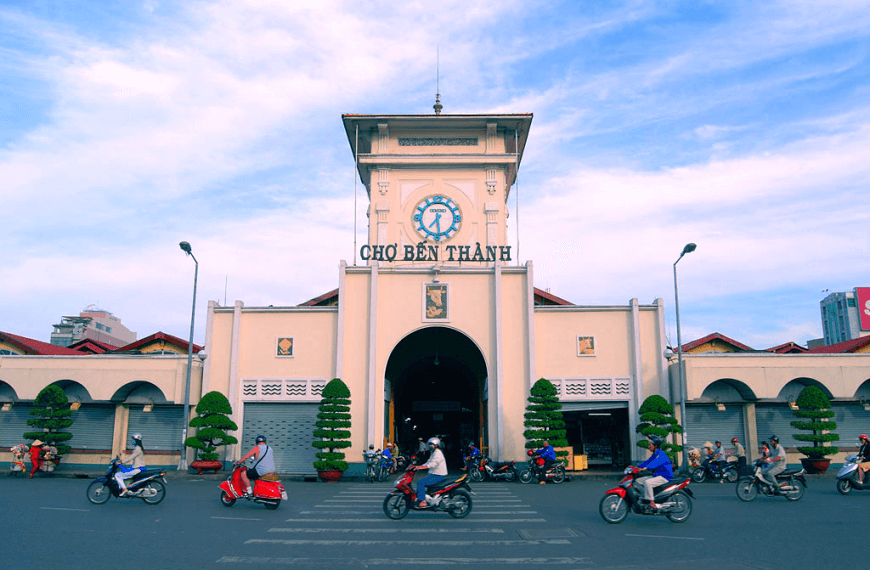
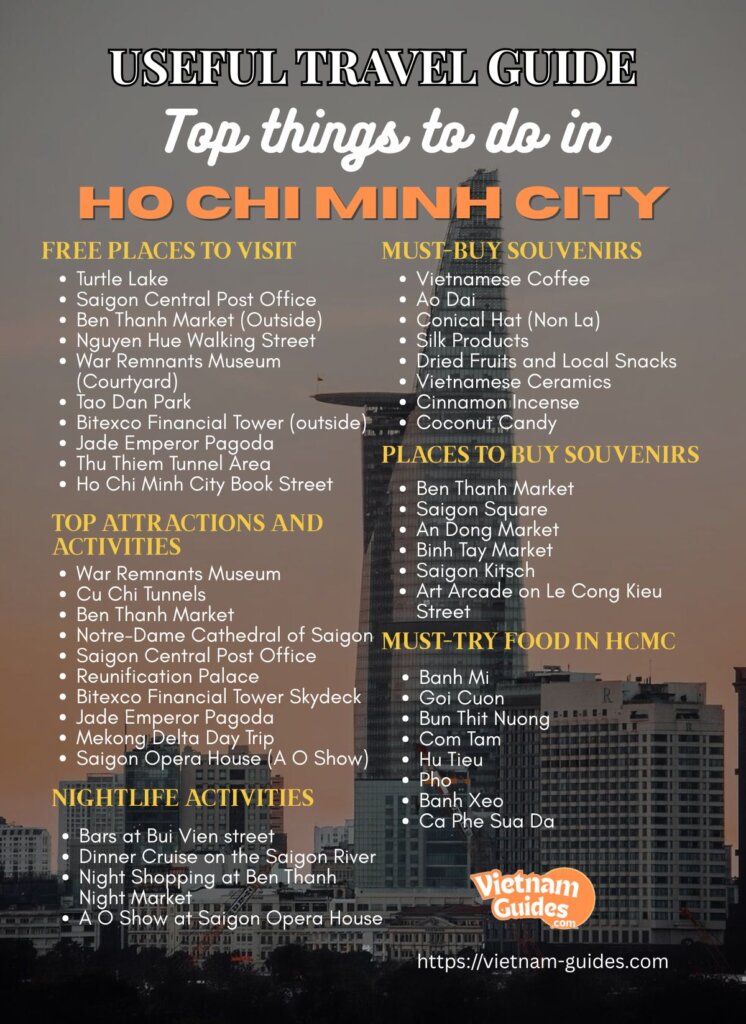
HCMC offers a wide range of attractions that appeal to history enthusiasts, food lovers, and modern urban explorers. Key heritage landmarks include the War Remnants Museum, Independence Palace, Saigon Central Post Office, and Notre Dame Cathedral, each reflecting important chapters of Vietnam’s past. The bustling Ben Thanh Market and nearby street-food alleys showcase the city’s lively culinary culture. District 1’s modern skyline is best appreciated from rooftop bars and riverfront promenades. For immersive cultural learning, travellers should not miss a day trip to the Cu Chi Tunnels or a sunset cruise on the Saigon River. Nature-oriented travellers may consider onward journeys to the Mekong Delta, guided by seasonal resources such as Mekong Delta in January. For curated urban recommendations, travellers may refer to Best Things to Do in Ho Chi Minh City, which highlights dining, markets, viewpoints, and cultural hotspots. Those planning extended travel around Vietnam may find links to Vietnam Travel 2-Week Itinerary helpful for multi-city planning.
Historical & Cultural Sites
- War Remnants Museum – A powerful look at the Vietnam War.
- Independence Palace – Former presidential residence and historic site.
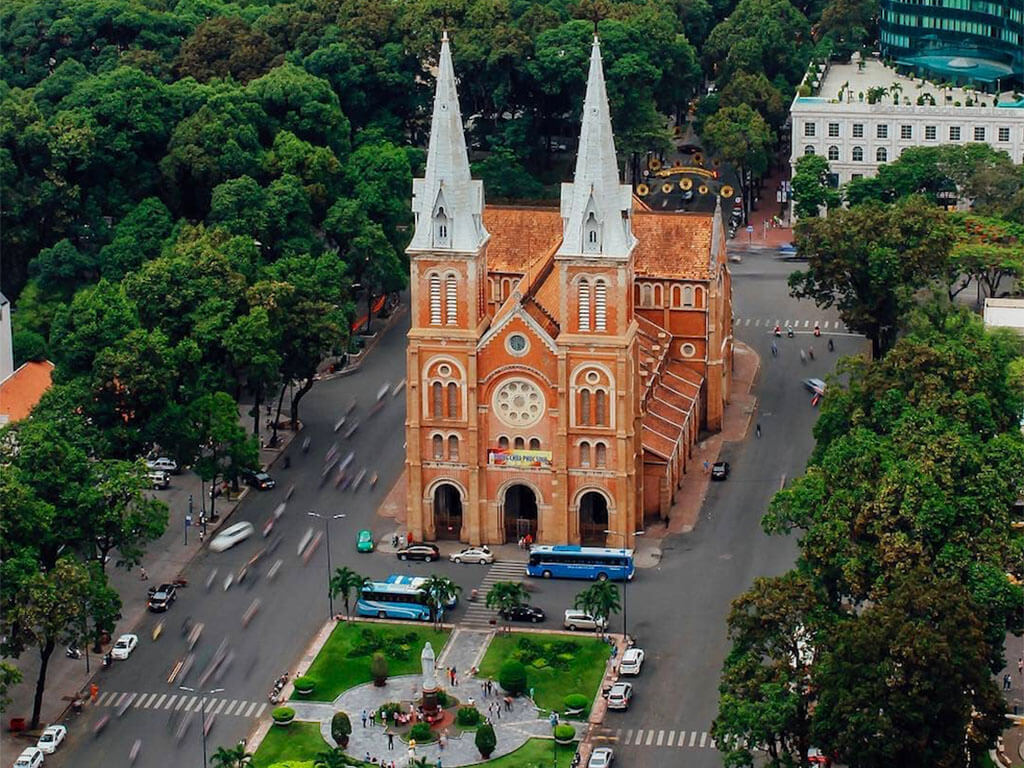
- Notre-Dame Cathedral Basilica of Saigon – French colonial architecture in the heart of the city.
- Saigon Central Post Office – Iconic 19th-century building designed by Gustave Eiffel.
Markets & Shopping
- Ben Thanh Market – Souvenirs, clothes, and street food under one roof.
- Binh Tay Market – Wholesale market in Chinatown (District 5).
- Nguyen Trai Street – Fashion boutiques and local brands.
Modern Landmarks
- Bitexco Financial Tower Skydeck – Panoramic city views.
- Nguyen Hue Walking Street – Evening strolls and street performances.
Day Trips
- Cu Chi Tunnels – Historic underground network from the war era.
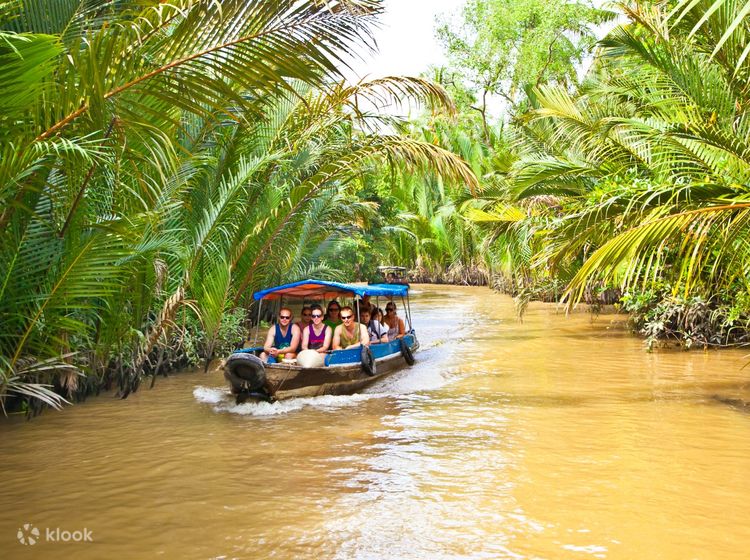
- Mekong Delta – Boat trips, floating markets, and lush scenery.
Where to Stay in Ho Chi Minh City
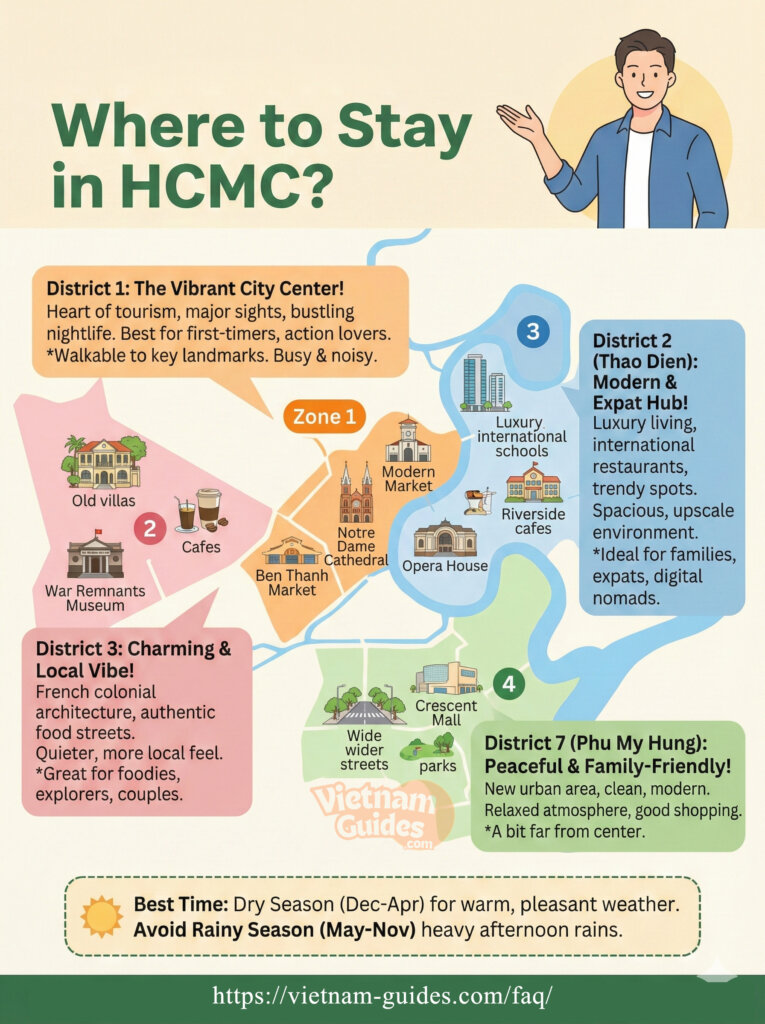
Luxury
- The Reverie Saigon – Opulent design, river views, and world-class service.
- Park Hyatt Saigon – Elegant rooms, central location, and excellent dining.
Mid-Range
- Liberty Central Saigon Riverside Hotel – Comfortable rooms with river views.
- Silverland Yen Hotel – Boutique style with rooftop pool and spa.
Budget
- The Common Room Project – Stylish hostel with a social atmosphere.
- Vy Khanh Guesthouse – Affordable, friendly stay in District 1.
Where to Eat & Drink
HCMC is widely recognized as one of Asia’s most exciting food cities, offering everything from street-side stalls to world-class restaurants. The city is famous for dishes such as bánh mì, cơm tấm, hủ tiếu, and countless fresh noodle soups that vary by district and vendor. Street food culture thrives here, making it easy to enjoy affordable and flavorful meals during every part of the day. While Hanoi cuisine leans traditional and subtle, Saigon’s food scene is dynamic, diverse, and influenced by southern ingredients and international communities. Travellers exploring food markets or unfamiliar neighbourhoods may benefit from recommended digital tools in Best Apps for Vietnam Travel. For those connecting their HCMC visit with northern destinations, resources such as Top 12 Must-Eats for Your Ultimate Hanoi Street Food Tour offer an interesting contrast to the cuisine found in Saigon. The city’s vibrant café culture, rooftop bars, and craft-beer scene further enhance the culinary experience, making food exploration one of the core highlights of any visit.
Local Specialties
- Pho – Vietnam’s famous noodle soup.
- Banh Mi – Crispy baguette with various fillings.
- Com Tam – Broken rice with grilled pork and egg.
- Hu Tieu – Southern-style noodle soup.
Vegetarian & Vegan Options
- Hum Vegetarian – Elegant setting with creative plant-based menu.
- The Organik House – Vegan-friendly cafe with organic ingredients.
- Pi Vegetarian Bistro – Vietnamese and fusion vegetarian dishes.
Nightlife
- Bui Vien Street – Backpacker hub with bars, live music, and street eats.
- Rooftop Bars – Chill Skybar, Saigon Saigon Rooftop Bar for views and cocktails.
- Acoustic Live Music Cafes – Popular with locals for a more relaxed night.
Suggested Itinerary
Day 1
- Explore District 1: Notre-Dame Cathedral, Central Post Office, Independence Palace.
- Visit Ben Thanh Market in the afternoon.
- Dinner and drinks on Nguyen Hue Walking Street.
Day 2
- Morning trip to Cu Chi Tunnels.
- Afternoon shopping or museum visits.
- Rooftop bar for sunset.
Day 3
- Mekong Delta day trip or explore Chinatown (District 5).
- Evening at a live music cafe.
How to Get to Ho Chi Minh City
- By Air: Tan Son Nhat International Airport serves domestic and international flights, 7 km from the city center.
- By Train: Reunification Express from Hanoi and other major cities.
- By Bus: Connections to nearby provinces and Cambodia.
Travel Tips for Ho Chi Minh City
First-time travellers should prepare for HCMC’s fast-paced traffic, warm weather, and energetic street life. Lightweight clothing and comfortable footwear are recommended due to the city’s tropical climate. Visitors should familiarise themselves with essential local customs and street-crossing techniques, as outlined in Essential Tips for First-Time Travellers to Vietnam. Using ride-hailing apps helps ensure fair pricing and convenience when moving around the city. Travellers arriving at Tan Son Nhat International Airport may benefit from the Vietnam Travel Airport Arrival Guide or the Vietnam Fast-Track Service Airport for smoother entry. For general convenience and navigation, the digital tools recommended in Best Apps for Vietnam Travel are helpful. Seasonal awareness also enhances planning; travellers can consult guides such as Vietnam in July or Vietnam in December to anticipate climate shifts across the country.
- Use ride-hailing apps like Grab for safe, affordable transport.
- Be cautious when crossing streets—move steadily so motorbikes can navigate around you.
- Keep valuables secure, especially in crowded markets.
- Dress lightly but modestly when visiting temples.
📩 Got a question? Feel free to let us know by sending us a text on WhatsApp: +84868974028 or connect with us on our Facebook Page . We will absolutely offer you a free consultation, the best quotes, and promotions!