1. General Information
July is one of the sunniest months of the year in Hue, bringing long daylight hours, vibrant summer scenery, and excellent opportunities to explore Vietnam’s former imperial capital. While temperatures are warm, the city remains one of Central Vietnam’s most rewarding cultural destinations during this period. Ancient citadel walls glow beneath clear blue skies, lotus ponds bloom throughout the city, and the Perfume River reflects the rich green landscapes that surround Hue. For travelers who enjoy historical exploration combined with reliable weather, July offers an excellent balance of sunshine and accessibility.
📩 Got a question? Feel free to let us know by sending us a text on WhatsApp: +84868974028 or connect with us on our Facebook Page . We will absolutely offer you a free consultation, the best quotes, and promotions!
What makes Hue particularly special in July is its atmosphere. Despite welcoming more domestic travelers during the summer holiday season, the city still feels calmer and more reflective than many other major destinations in Vietnam. Visitors can spend mornings exploring royal palaces and tombs before retreating to shaded cafés, riverside restaurants, or traditional garden houses during the warmer afternoon hours. Hue also serves as an important stop on the Central Vietnam route that connects Da Nang Travel Guide and Hoi An Travel Guide. Together, these destinations create one of the most culturally diverse and visually stunning travel circuits in the country.
2. Best Time to Visit (Weather Focus)
July falls within Hue’s dry season and is characterized by hot temperatures, abundant sunshine, and minimal rainfall. Daily temperatures typically range from 26°C to 36°C, although occasional heatwaves can push afternoon temperatures slightly higher. The lack of significant rainfall makes July a dependable month for sightseeing, allowing visitors to explore historical landmarks and outdoor attractions without interruption. Mornings are generally the most comfortable time for walking tours, while evenings bring cooler conditions and pleasant breezes along the Perfume River.
For travelers researching Vietnam in July, Hue remains one of Central Vietnam’s strongest destinations during the summer season. Nearby coastal destinations such as Da Nang Travel Guide and Hoi An Travel Guide also experience favorable weather, making July an ideal time to explore the region. Visitors can enjoy a combination of heritage sites, beaches, local cuisine, and scenic mountain routes such as the Hai Van Pass. Compared to parts of northern Vietnam that may experience more frequent summer showers, Central Vietnam generally enjoys more stable conditions during July, making it particularly attractive for travelers seeking dependable sunshine.
3. Things to Do in Hue in July
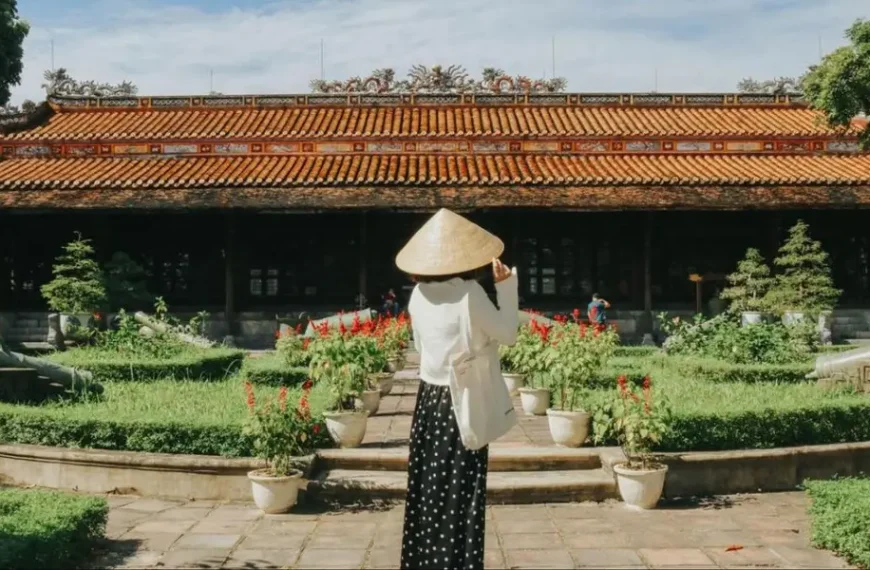
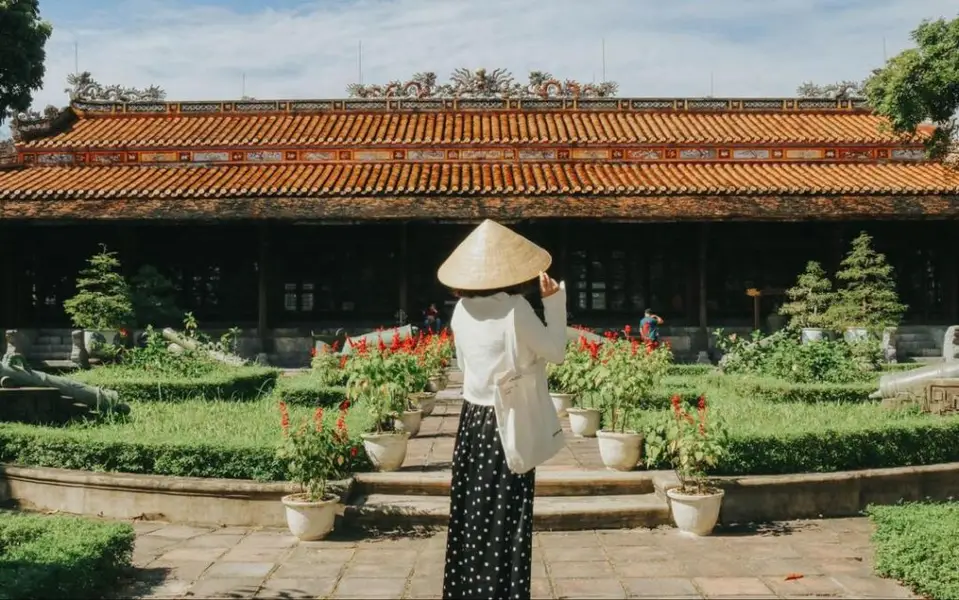
The Imperial City remains Hue’s most important attraction and is especially impressive under July’s bright summer skies. Early morning visits are highly recommended, allowing travelers to explore the UNESCO-listed complex before temperatures peak. The sprawling grounds contain royal palaces, ceremonial courtyards, ancient gates, and remnants of Vietnam’s imperial history. The city’s famous royal tombs—including Minh Mang Tomb, Tu Duc Tomb, and Khai Dinh Tomb—are equally rewarding and surrounded by lush vegetation that thrives during the summer months. Their peaceful settings provide a welcome contrast to the busier areas of the city.
July is also an excellent month for river-based activities and cultural experiences. A boat cruise along the Perfume River offers cooling breezes and scenic views of pagodas, villages, and riverside gardens. The iconic Thien Mu Pagoda remains one of the city’s most photographed landmarks and is particularly striking against clear summer skies. Food lovers can explore local markets, sample regional specialties, and join cooking classes focused on imperial cuisine. Travelers extending their itinerary often combine Hue with Top Things to Do in Da Nang and Things to Do in Hoi An, creating a well-rounded Central Vietnam experience that balances culture, history, and coastal relaxation.
4. Where to Stay
Hue offers a diverse selection of accommodations suitable for every budget and travel style. Hotels located near the Perfume River remain among the most popular choices because they provide easy access to major attractions, restaurants, and evening entertainment. Many riverside properties feature elegant architecture inspired by Hue’s imperial heritage, while modern amenities such as pools and spa facilities provide welcome comfort during the summer heat. Staying near the city center also allows visitors to explore many attractions on foot during the cooler morning and evening hours.
Travelers looking for a quieter environment may prefer resorts located on the outskirts of the city. These properties often feature expansive gardens, traditional Vietnamese design elements, and large swimming pools that are especially appealing during July’s warmer afternoons. Boutique guesthouses and heritage-style accommodations offer more intimate experiences and often provide valuable local insights into Hue’s culture and traditions. If your itinerary includes neighboring destinations such as Da Nang Travel Guide or Hoi An Travel Guide, Hue provides an excellent base before continuing south along the coast.
5. Where to Eat & Nightlife
Hue’s culinary scene is one of the city’s greatest attractions, and July offers plenty of opportunities to enjoy its famous dishes. Imperial influences remain evident throughout the local cuisine, with many recipes originating from the royal court. Visitors should sample classics such as bún bò Huế, bánh khoái, bánh bèo, bánh nậm, and nem lụi. Summer evenings are particularly enjoyable for dining outdoors, whether at riverside restaurants overlooking the Perfume River or at traditional eateries hidden within the city’s historic neighborhoods. Fresh fruit desserts and iced drinks become especially refreshing during the warmer months.
Nightlife in Hue remains relaxed compared with larger cities such as Ho Chi Minh City or Da Nang. Riverside cafés, walking streets, and local night markets provide a pleasant evening atmosphere where visitors can enjoy the city’s slower pace. The illuminated bridges crossing the Perfume River create beautiful nighttime scenery, while live music performances occasionally take place in riverside venues. Travelers seeking more energetic nightlife often continue to Da Nang Travel Guide, but many visitors find Hue’s quieter evenings to be one of its most appealing qualities.
6. Sample Itinerary (3 Days)
Day 1 – Discover the Imperial City
Begin early with a visit to the Imperial City, exploring Ngo Mon Gate, Thai Hoa Palace, and the Forbidden Purple City. Spend the evening enjoying local cuisine along the Perfume River.
Day 2 – Royal Tombs & River Cruise
Visit Minh Mang Tomb, Tu Duc Tomb, and Khai Dinh Tomb before taking a sunset cruise on the Perfume River. Stop at Thien Mu Pagoda for panoramic views and photography.
Day 3 – Markets, Food & Local Culture
Explore Dong Ba Market, sample traditional Hue dishes, and visit local craft villages. Continue toward Hoi An Travel Guide or Da Nang Travel Guide if your journey continues through Central Vietnam.
7. Travel Tips (Including What to Pack)
July’s weather makes early planning particularly important. Sightseeing is most comfortable before 10 a.m. and after 4 p.m., when temperatures are lower and lighting conditions are ideal for photography. Staying hydrated and taking breaks during the hottest part of the day can significantly improve your travel experience. Booking accommodation with air conditioning and pool access is highly recommended. Travelers planning broader journeys through Vietnam may find resources such as the Vietnam Transportation Guide and Train Travel in Vietnam useful when organizing transportation between destinations.
What to Pack for July in Hue
Pack lightweight and breathable clothing suitable for hot summer conditions, including cotton or linen shirts, shorts, and loose-fitting trousers. A wide-brimmed hat, sunglasses, and strong sunscreen are essential for protection against intense sunlight, particularly when exploring the Imperial City and royal tombs. Comfortable walking shoes are highly recommended because many attractions involve extensive walking on stone pathways and large open grounds. Carry a reusable water bottle and a small daypack for daily sightseeing. Visitors planning to enter temples and pagodas should pack modest clothing that covers shoulders and knees. A portable fan, cooling towel, and power bank can also be extremely useful during long outdoor excursions. If your itinerary later includes mountain destinations such as Sapa Travel Guide, bringing a light jacket for cooler evenings may still be worthwhile.
Related Guides (internal links)
• Hue Travel Guide
• Hue in June
• Vietnam in July
• Da Nang Travel Guide
• Top Things to Do in Da Nang
• Hoi An Travel Guide
• Things to Do in Hoi An
• Train Travel in Vietnam
• Vietnam Transportation Guide
• Vietnam E-Visa Guide
📩 Got a question? Feel free to let us know by sending us a text on WhatsApp: +84868974028 or connect with us on our Facebook Page . We will absolutely offer you a free consultation, the best quotes, and promotions!