
Hoi An sits on the banks of the Thu Bon River in central Vietnam, its low-slung wooden shophouses and silk lanterns preserved almost unchanged since it was a thriving 16th-century trading port. UNESCO-listed and largely pedestrianised at its core, the Ancient Town is Vietnam’s most photogenic destination, but the surrounding countryside of rice paddies, craft villages, and an uncrowded beach means Hoi An rewards a stay of several days, not just an afternoon.
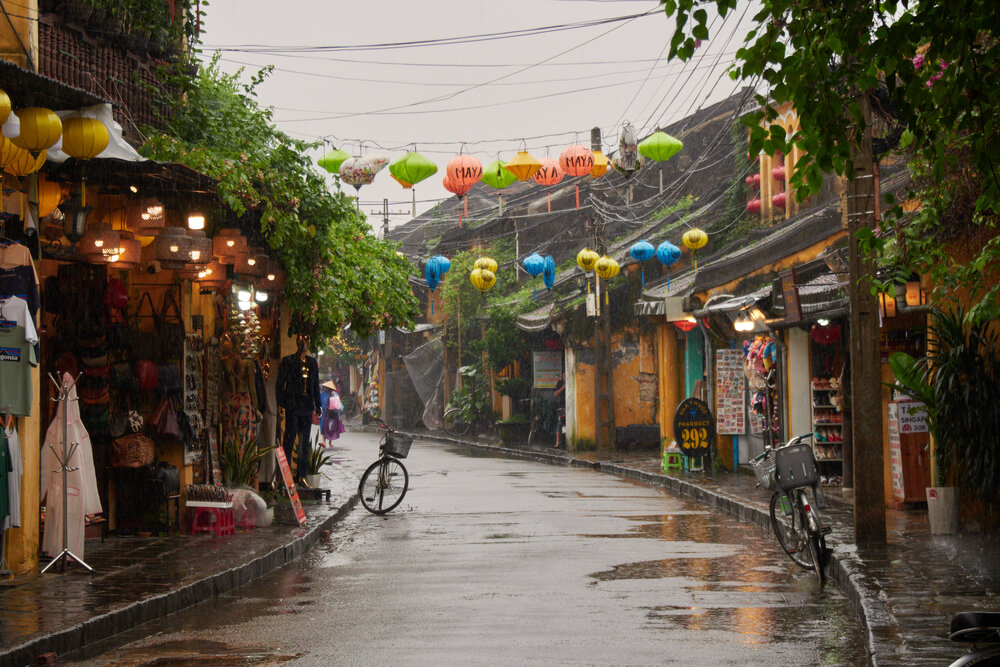
Hoi An Ancient Town & Lantern Streets
The Ancient Town is a compact grid of ochre-walled merchant houses, Chinese assembly halls, and narrow lanes strung with silk lanterns that give the town its glow after dark. By day, browse tailor shops and galleries housed in centuries-old buildings; by evening, the Lantern Streets along the riverfront transform into a car-free promenade lit entirely by colourful paper lanterns, with vendors selling floating candles to release on the Hoai River.
Japanese Covered Bridge
The Japanese Covered Bridge is Hoi An’s most iconic structure, a graceful timber bridge built in the 1590s by the town’s Japanese merchant community to link their quarter with the Chinese district across the canal. Its curved roof shelters a small shrine, and the bridge appears on Vietnam’s 20,000-dong banknote. It remains the town’s unofficial symbol and the natural starting point for any walk through the Ancient Town.
Hoai River Boat Rides & Night Market
As dusk falls, wooden boats strung with lanterns ferry visitors along the Hoai River, past reflections of the Ancient Town’s glowing facades — many riders release paper lanterns onto the water for good luck. Just across the river, the Hoi An Night Market fills with stalls selling lanterns, silk, and street food, its rows of red lanterns overhead making it one of the most-photographed markets in Vietnam. Both experiences are best enjoyed together on a single evening out.
An Bang Beach & Cu Lao Cham Island
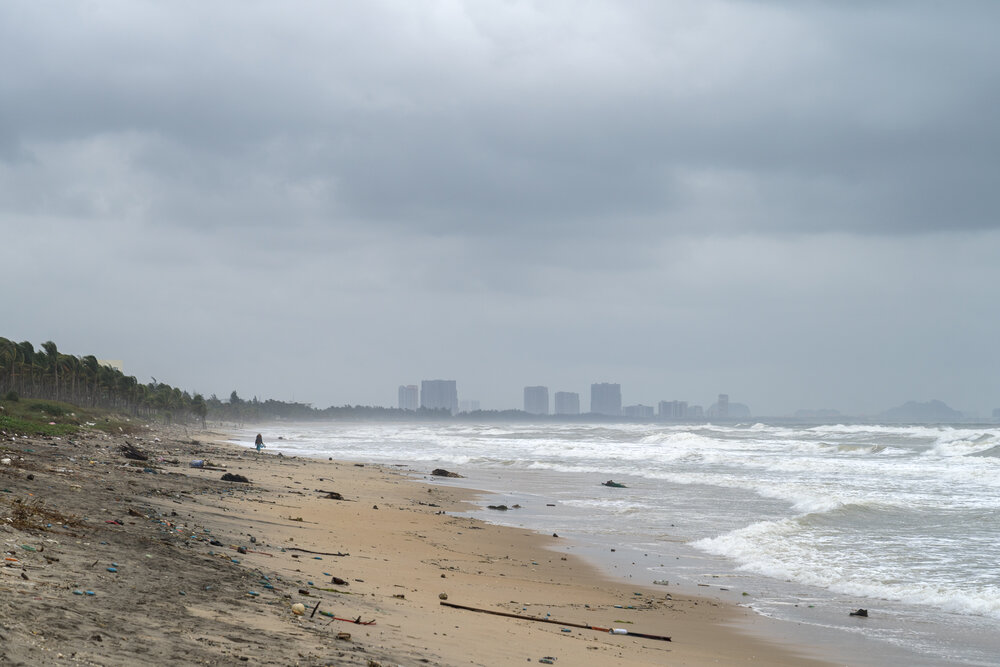
An Bang Beach, a short bike ride from the Ancient Town, offers wide golden sand and a laid-back run of beach bars and seafood shacks, far quieter than the resort beaches further south. For a fuller escape, boats run from Hoi An out to Cu Lao Cham Island, a marine protected area with clear water, coral reefs, and forested hills, popular for snorkelling day trips and its small fishing village.

Food & Cooking Classes
Hoi An is considered Vietnam’s culinary capital, home to dishes found nowhere else: cao lau (thick rice noodles with pork and crispy croutons, made with water traditionally drawn from a specific local well), banh mi acclaimed by chefs worldwide, and white rose dumplings (banh bao vac). Hoi An Cooking Classes are a popular way to dig deeper, often starting with a guided walk through a local market to pick ingredients before hands-on lessons in the town’s signature dishes.
Craft Villages & My Son Day Trip
Beyond the Ancient Town, a ring of traditional villages keeps old trades alive: Thanh Ha Pottery Village turns out terracotta wares by hand, Kim Bong Carpentry Village produces carved wooden boats and furniture, and Tra Que Vegetable Village grows the herbs that flavour Hoi An’s food, with visitors welcome to help tend the beds. The Bay Mau Coconut Forest nearby offers basket-boat rides through mangrove channels. Further afield, My Son Sanctuary’s jungle-set Cham ruins make for a worthwhile half-day trip.
Planning a trip to Hoi An? We arrange private guided tours — day trips, multi-day itineraries, and custom routes.
Best Time to Visit
February to April brings mild, dry weather and comfortable temperatures, making it the sweet spot for exploring on foot or by bike. May to August is hot and humid but generally dry, suiting beach time at An Bang. October to December is rainy season, with the Ancient Town prone to occasional flooding along the riverfront — atmospheric for photos, but worth checking forecasts. The monthly Lantern Festival, held on the 14th day of the lunar calendar, dims electric lights across the Old Town in favour of candlelight.
Getting There
Hoi An has no airport of its own; most visitors fly into Da Nang International Airport (DAD), about 45 minutes to an hour away by taxi or bus. Open-tour buses connect Hoi An to Hue (around 4 hours) and further south to Nha Trang. The Ancient Town itself is closed to cars, so once you arrive, walking and bicycles are the way to get around.
Where to Stay
The Ancient Town’s riverside streets offer boutique hotels and restored merchant houses within walking distance of everything, though rooms book up fast and can be noisy near the market. An Bang Beach has a growing cluster of beachfront guesthouses and resorts for travellers who want sand over sightseeing. Staying slightly outside the centre, amid the rice paddies, often means better value and a quieter, more local base with an easy bike ride into town.
Practical Tips
Get measured for tailored clothing early in your stay, since quality garments need at least one fitting and a day or two for alterations. Buy a combined Ancient Town ticket, which grants entry to a handful of historic houses, assembly halls, and museums. Bicycles are the easiest way to reach An Bang Beach or the craft villages. Cross the Japanese Covered Bridge and wander the lantern-lit lanes after 6pm, when the day-trip crowds thin out and the town feels most atmospheric.