
Perched at around 1,500 m in Vietnam’s far northwest, Sapa is a former French hill station turned trekking capital, its steep valleys terraced into thousands of rice paddies by H’mong, Dao, and other ethnic minority communities over generations. Mist rolls through the mountains for much of the year, and Fansipan — Indochina’s highest peak — looms over the town. It’s Vietnam’s premier destination for multi-day trekking, homestays, and dramatic mountain scenery.
Fansipan Peak
At 3,147 m, Fansipan is the highest mountain in Indochina, historically reached only by a gruelling two- to three-day trek through cloud forest. Since 2016, a cable car has made the summit accessible in around 15-20 minutes, climbing over pine forests and terraced valleys to a viewing platform and pagoda complex at the top. Serious trekkers still hike up, camping overnight, while most visitors combine the cable car with the funicular railway for a half-day summit trip.
Sapa Rice Terraces & Hill Tribe Villages
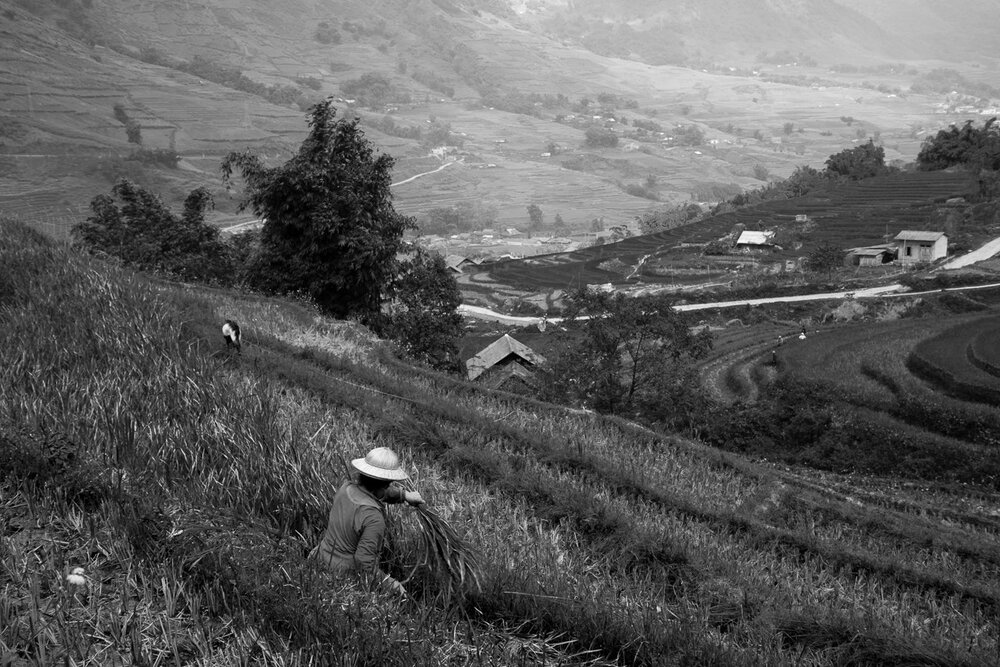
The rice terraces carved into the hillsides around Sapa town are the region’s defining image, glowing green in summer and golden at harvest in September. Trekking routes from town lead through H’mong and Dao villages such as Cat Cat, Ta Van, and Lao Chai, where visitors can walk terraced paths, cross suspension bridges over the Muong Hoa River, and often stay overnight in a village homestay. Local guides from these communities lead most treks and are the best source of insight into daily highland life.
Pu Luong Nature Reserve
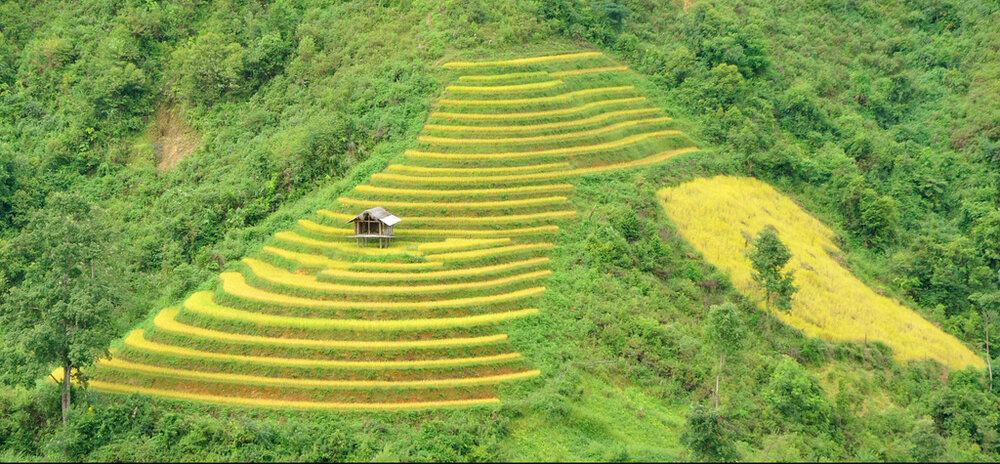
A few hours from Sapa town, Pu Luong Nature Reserve is a quieter alternative to the main trekking hub — a limestone valley of layered rice terraces, thatched stilt-house villages, and slow-turning bamboo water wheels used to irrigate the paddies. It’s popular for gentler multi-day treks and cycling routes between Thai villages, with far fewer visitors than central Sapa, making it a favourite for travellers wanting a slower, more immersive pace.
Mu Cang Chai & Y Ty Terraces
Further afield, Mu Cang Chai’s terraces are among the most photographed in Vietnam, sweeping in tight contour lines up near-vertical slopes and turning a deep gold at harvest time in mid-September to early October. Y Ty, near the Chinese border, offers similarly dramatic terracing with a more remote, less-visited feel, often wrapped in low cloud. Both are popular add-ons for travellers extending beyond Sapa itself, usually requiring a full day’s travel each way.
Food & Markets
Highland cuisine here leans hearty and smoky: thang co, a traditional H’mong stew, salmon and trout farmed in the cold mountain streams around Sapa, and “com lam,” sticky rice cooked inside bamboo tubes over an open fire. Grilled skewers of meat and vegetables from street stalls are a Sapa town evening staple, best paired with a shot of locally distilled corn wine. Saturday’s Sapa market and the well-known Sunday “Love Market” in Bac Ha draw ethnic minority communities from surrounding villages to trade textiles, produce, and livestock.
Trekking & Adventure
Trekking is Sapa’s main draw, ranging from half-day village walks to multi-day routes crossing the Muong Hoa Valley with homestays along the way. The terrain is steep and often muddy, especially after rain, so sturdy footwear matters. Beyond trekking, the region draws mountain bikers to Pu Luong’s quieter trails, and the Fansipan cable car and funicular give non-trekkers a way to reach high-altitude viewpoints without the multi-day commitment.
Best time to visit
Planning a trip to Sapa? We arrange private guided tours — day trips, multi-day itineraries, and custom routes.
Sapa has something to offer in every season — but what you see changes dramatically depending on when you come. The terraces cycle from flooded silver paddies in May and June through intensely green summer growth to the famous gold of harvest in September and October. Understanding the seasons is the difference between showing up in peak beauty and showing up in a grey cloud.
Spring: February to April
Spring is one of the most underrated times to visit. Peach, plum, and cherry blossoms come out across the hillsides, the air is cool and clear, and the trekking trails are dry enough to walk without getting covered in mud. Daytime temperatures sit comfortably between 15–20°C, dropping sharply at night. Crowds are lighter than in peak autumn season, and the valley has a green freshness that photographs well even without the gold of harvest. February and March are the clearest months of this window.
Summer: May to August
May marks the start of the rice-planting season. Farmers flood the terraces and transplant seedlings — the paddies turn a reflective silver-white before the rice shoots green up. It is one of the most striking visual periods in the cycle, though often overlooked because it coincides with rain season. June to August brings heavier rainfall, more frequent fog, and slippery trails. Views from Fansipan are regularly obscured. That said, the terraces are an almost electric green and the mountains feel raw and dramatic in the mist. If you do not mind the mud and the unpredictability, summer has its own character.
Autumn: September to November — peak season
This is when most people want to be here. The rice ripens in September and October, turning the terraces across Muong Hoa Valley into bands of gold and amber that run down the hillsides in tight contours. Harvest usually peaks around mid-September to mid-October, depending on altitude and that year’s planting schedule. Skies clear, daytime temperatures are a near-perfect 15–20°C, and the light in the late afternoon on the terraces is extraordinary. Book accommodation and trekking guides well ahead — this is Sapa’s busiest and most competitive window.
Winter: December to February
Winter is cold — genuinely cold by Vietnamese standards. Temperatures can drop to 5°C or below in town and close to freezing at higher elevations, with occasional frost and, in some years, snow on the upper slopes around Fansipan. Fog is frequent and persistent. It is the quietest season for tourism, and if you hit a clear day the mountains look extraordinary under low winter light. Pack serious warm layers: a down jacket, thermals, and gloves are not excessive. January and February see Tet preparations in the valley villages — one of the more authentic windows for cultural observation outside peak tourist season.
Quick seasonal guide
- Best for trekking: March–May and September–November — dry trails, manageable temperatures
- Best for terraces: September–October (golden harvest) or May–June (flooded planting season)
- Best for fewer crowds: February–March or December–January
- Avoid if you dislike rain: June–August — expect afternoon downpours and muddy trails most days
- Snow chance: December–January at higher elevations; rare but possible
Getting There
Sapa has no airport; most travellers fly into Hanoi’s Noi Bai International Airport (HAN) and continue overland. A modern highway has cut the drive from Hanoi to around 4-5 hours by car or shuttle bus. Overnight sleeper buses and trains (to Lao Cai, then a short onward transfer) remain popular for saving a night’s accommodation, arriving in the early morning in time for a full day of trekking.
Where to Stay
Sapa town has everything from simple guesthouses to hillside hotels with valley views, many within walking distance of the market and cable car station. For a deeper experience, homestays in villages like Ta Van or Lao Chai put you directly among terraced fields and local families, usually arranged through a trekking guide. Pu Luong offers a smaller cluster of eco-lodges and bungalows for travellers prioritising quiet over convenience.
Practical Tips
Pack layers year-round — mountain weather shifts quickly and mornings are cool even in summer. Book trekking guides through reputable local operators to ensure fair pay reaches the villages you’re walking through. Sturdy, broken-in footwear is essential, as trails are often steep, muddy, or uneven. Cash is necessary in villages and homestays, since card payments and ATMs are unreliable outside Sapa town itself.