
Sapa in January is cold, misty, and genuinely atmospheric — frost on the mountain slopes in the morning, fog filling the valleys, and the rice paddies dry and walkable after harvest. Temperatures typically sit between 9°C and 13°C during the day, dropping sharply at night. The weather shifts quickly: a foggy start can give way to a clear, dry afternoon perfect for trekking or riding out to a waterfall. Come prepared with layers and you’ll find January one of the most rewarding months to be here.
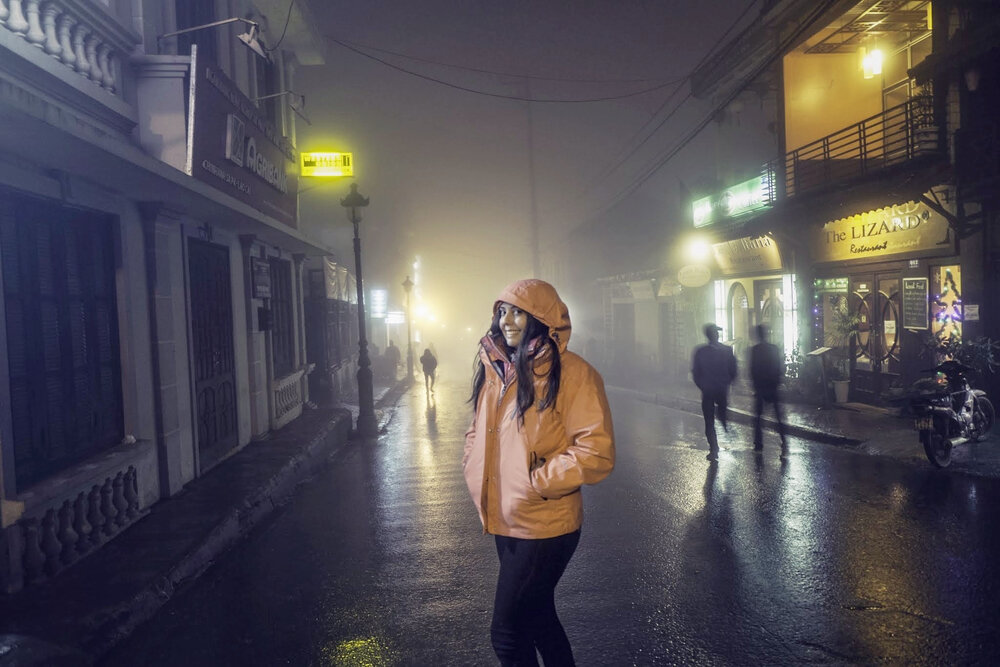
Weather in Sapa in January
- Daytime temperature: 9–13°C (48–55°F)
- Night temperature: 3–7°C (37–45°F); can drop to 0°C at Fansipan summit
- Rainfall: Low (~40–60 mm), mostly drizzle or mist
- Humidity: 80–85%
Frost appears on the higher mountain slopes overnight and in the early morning — visible on grass and rocks above the town — but typically thaws by mid-morning as the fog lifts. Once the fog clears, days can turn dry and relatively warm, making afternoon outdoor activities very comfortable. Expect rapid changes: pack for both the foggy cold of 8am and the clearer warmth of 2pm.
Why Visit Sapa in January
- Quiet season — far fewer tourists than September–November
- Frost and possible snow at higher elevations — rare in Vietnam
- Dry rice paddies make for excellent cross-country trekking (no mud)
- Ancient petroglyphs (Sa Pa Rock Art — estimated 20,000 years old) are more accessible in the dry paddies
- Tet preparations underway — market activity picks up, Tet trees for sale, villages busier with pre-festival energy
- Cosy homestay evenings with fireplaces, hotpot, and herbal baths
Best Things to Do in Sapa in January
Motorbike to a Waterfall
January’s variable weather makes motorbike day trips particularly rewarding — the fog often clears by late morning, opening up the mountain roads. A popular route takes you out of town to one of the valley waterfalls; the ride through frost-edged paddy fields and pine-covered slopes is spectacular. Check conditions in the morning before heading out — frost on the road surface can make early starts slippery.
Trek the Dry Rice Paddies
After harvest, the terraced paddies are dry and firm underfoot — you can walk directly across them in a way impossible during the wet season. This opens up cross-country routes between villages that aren’t possible at other times of year. Keep an eye out for ancient petroglyphs carved into rock faces along the paddy edges — Sa Pa’s rock art is estimated to be around 20,000 years old and is easy to miss if you’re moving fast.
Visit Kat Village and the Local Market
The weekly market at Kat Village (and nearby villages) grows more lively in January as Tet approaches. Locals come down from surrounding hamlets to trade food, crafts, and seasonal produce. You’ll find women cooking traditional dishes over open fires, families gathering local vegetables, and Tet trees (đào — peach blossom) being sold at the market edges. It’s one of the most authentic market experiences of the year — the commercial tourism layer is thin in January.
Traditional Games
January is peak season for traditional Hmong and Red Dao games as communities prepare for Tet. Stone-knocking (đánh cù đá) — a traditional game where players flick stones at a target — is commonly played in village clearings. If you’re trekking with a local guide, ask to join in; it’s a genuine way to interact with communities rather than just observe.
Feed the Buffalos
Buffalo are a constant presence in the valley in January — grazing near the dry paddies, being led along terraced paths, resting near village edges. Many trekking routes pass close enough that you can stop and interact with them. It’s a small thing but memorable — the scale of these animals against the terrace landscape is one of those images that stays with you.
Fansipan Peak
The cable car runs year-round and January can bring possible snow or frost at the 3,143 m summit — rare in Vietnam and worth the trip on a clear day. Check the weather window: the summit is often shrouded in cloud but clears in the afternoons of dry spells.
Village Homestays
Ta Van, Lao Chai, and Cat Cat are all excellent in January. Cold evenings mean the communal fire or wood stove is always going, hotpot dinners are the norm, and the quieter season means more genuine time with host families rather than a conveyor belt of guest groups.
Festivals & Events in January
- Tet preparations: Lunar New Year falls late January or early February. Markets grow busier through the month, peach blossom trees appear for sale, and village life takes on a festive energy. Ethnic minority communities — H’mong, Red Dao, Tay — each have their own Tet traditions and the build-up is visible weeks before
- Traditional winter markets: Weekly markets in Bac Ha (Sundays), Can Cau (Saturdays), and Coc Ly are at their most colourful as communities gather before the holiday period
What to Eat in Sapa in January
- Salmon hotpot (Lẩu cá hồi) — Sapa’s most famous winter dish; the local salmon farms make this excellent
- Thắng cố — traditional Hmong mountain stew; available at village markets
- Grilled street food — pork skewers, corn, bamboo sticky rice from market stalls
- Traditional vegetables gathered from the surrounding hills — ask your homestay host what’s in season
- Local herbal teas and rice wine — both serve as practical warmth as much as refreshment
Suggested Itinerary for January
3 Days in Sapa
- Day 1: Arrive, town walk, evening hotpot and herbal bath
- Day 2: Morning motorbike to waterfall (depart after fog lifts, ~9–10am); afternoon trek back through dry rice paddies — look for petroglyphs; Kat Village market if timing works
- Day 3: Fansipan cable car on a clear morning; return to Hanoi
5 Days (Extended)
- Overnight homestay in Lao Chai or Ta Van — cold evenings, communal fire, hotpot with the family
- Sunday market at Bac Ha or Can Cau — the hill tribe markets before Tet are exceptional
- Red Dao herbal bath (thuốc tắm) after a long trekking day — medicinal and warming
Travel Tips for January in Sapa
- Layer up: You’ll go from 9°C foggy morning to 13°C sunny afternoon — dressing in layers is more practical than one heavy jacket
- Motorbike caution: Frost on mountain roads in the early morning can make surfaces slippery; wait until after 9am before riding out of town
- Trek timing: Head out late morning after the fog lifts for optimal visibility and drier paths
- Book early for Tet: If your trip overlaps with Tet (late January / early February), book train tickets and accommodation well in advance — domestic travel surges dramatically
- Petroglyphs: Ask a local guide to show you Sa Pa’s rock carvings — they’re in the paddy fields and easy to walk past without knowing where to look
Tours & activities in Sapa
Activity links above are affiliate or partner links.