
Lush rice terraces, misty mountain mornings, refreshing rivers, and vibrant local life — July transforms Sapa into one of the most photogenic destinations in Vietnam.
Is July a Good Time to Visit Sapa?
Absolutely — if you don’t mind occasional rain. July falls in the middle of Sapa’s rainy season, but unlike many destinations where rain can spoil a trip, it plays a vital role in creating the breathtaking landscapes the region is famous for. Afternoon showers and overnight rainfall keep the rice terraces brilliantly green, while mornings often bring fresh air, drifting clouds, and surprisingly clear mountain views.
This is the season when the valleys around Lao Chai, Ta Van, and Muong Hoa look their most vibrant. The rice plants are growing rapidly, creating endless waves of emerald green that stretch across the mountainsides. While you should expect some rain, it’s rarely an all-day affair — many days begin with sunshine before clouds gather in the afternoon.
July is best for: nature lovers, photographers, hikers who don’t mind muddy trails, travellers seeking authentic rural experiences, and anyone wanting to see Sapa’s rice terraces at their greenest.
Weather in Sapa in July
- Daytime temperature: 22–28°C (72–82°F); occasionally reaching 30–32°C on sunny afternoons
- Night temperature: 18–21°C (64–70°F)
- Rainfall: High
- Humidity: High
Unlike Hanoi’s intense summer heat, Sapa’s elevation keeps temperatures relatively comfortable. Rain usually arrives in the late afternoon or overnight, leaving mornings fresh and ideal for sightseeing.
Pros of visiting in July
- Rice terraces are incredibly lush and green
- Waterfalls are at their most powerful
- Cooler than Vietnam’s major cities
- Fewer international tourists compared to autumn
- Beautiful misty mountain scenery after rain
Cons of visiting in July
- Trekking trails can become muddy and slippery
- Landslides occasionally affect mountain roads after heavy rain
- Visibility can change quickly due to low clouds
- Leeches may appear on remote forest trails
Best Places to Visit in Sapa in July
Muong Hoa Valley
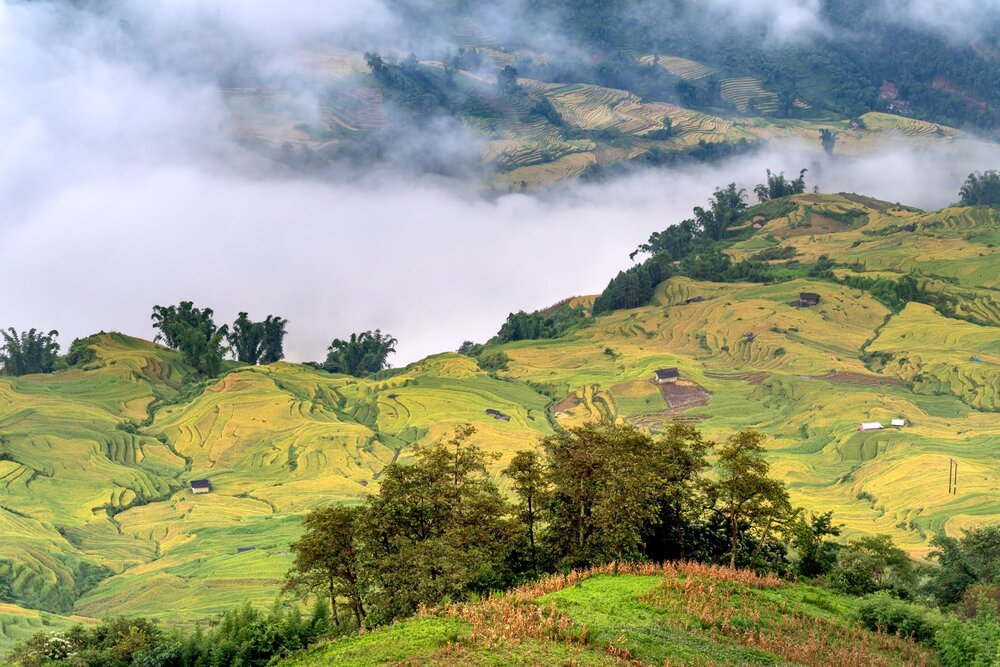
July is arguably one of the best months to explore Muong Hoa Valley. The rice terraces are a brilliant green, with some early fields beginning to develop golden hues as the rice matures. Farmers spend long days tending their crops, offering visitors a fascinating glimpse into daily life in Vietnam’s northern highlands. This is also one of the best times for photography, especially during the early morning when mist drifts through the valley.
Lao Chai & Ta Van Villages
These villages showcase Sapa’s famous terraced landscapes at their finest. Walking through the valleys in July means passing water-filled rice paddies, crossing bamboo bridges, and encountering local Hmong and Giay communities working in the fields. The scenery feels especially alive thanks to the frequent rainfall and flourishing vegetation.
Fansipan
Vietnam’s highest mountain remains accessible throughout July. Although cloud cover can sometimes obscure the summit, clear mornings often reward visitors with spectacular panoramic views above the clouds. If hiking isn’t your style, the cable car offers an easy way to experience the mountain.
Silver Waterfall & Love Waterfall
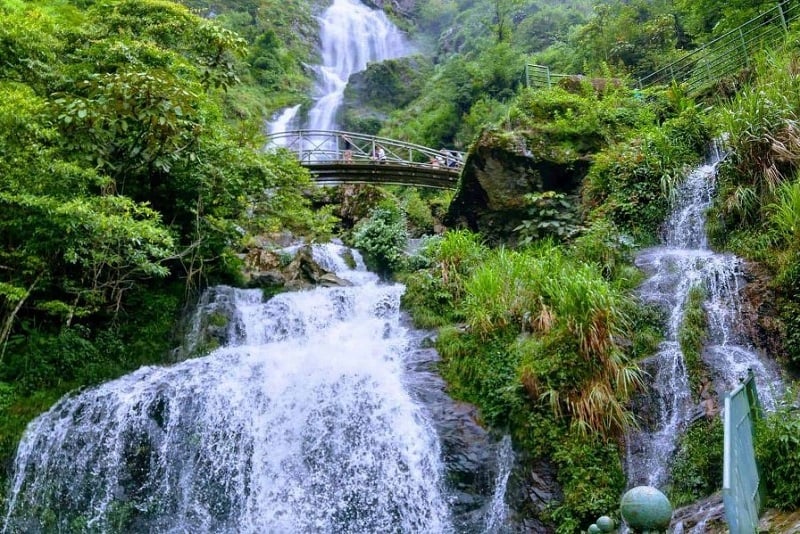
July’s frequent rain means the waterfalls are flowing at maximum strength. The surrounding forests are lush and cool, making these excellent stops on a summer itinerary.
O Quy Ho Pass
One of Vietnam’s most scenic mountain roads becomes particularly dramatic in July. Rolling clouds, green mountains, and changing weather create constantly shifting landscapes that photographers love.
Best Things to Do in Sapa in July
Trek Through Green Rice Terraces
July is when Sapa’s iconic landscapes truly come alive. The rice paddies are full, vibrant, and layered across the mountains like giant staircases. Although some trails become muddy, the scenery easily rewards the extra effort. Popular routes include Lao Chai, Ta Van, and Y Linh Ho.
Experience Local Farming Life
July is an active farming season. Visitors may see local families planting, maintaining irrigation channels, or preparing fields as the rice approaches maturity. Watching these daily routines offers a deeper appreciation of the centuries-old agricultural traditions that shaped Sapa’s landscape.
Swim in Mountain Rivers
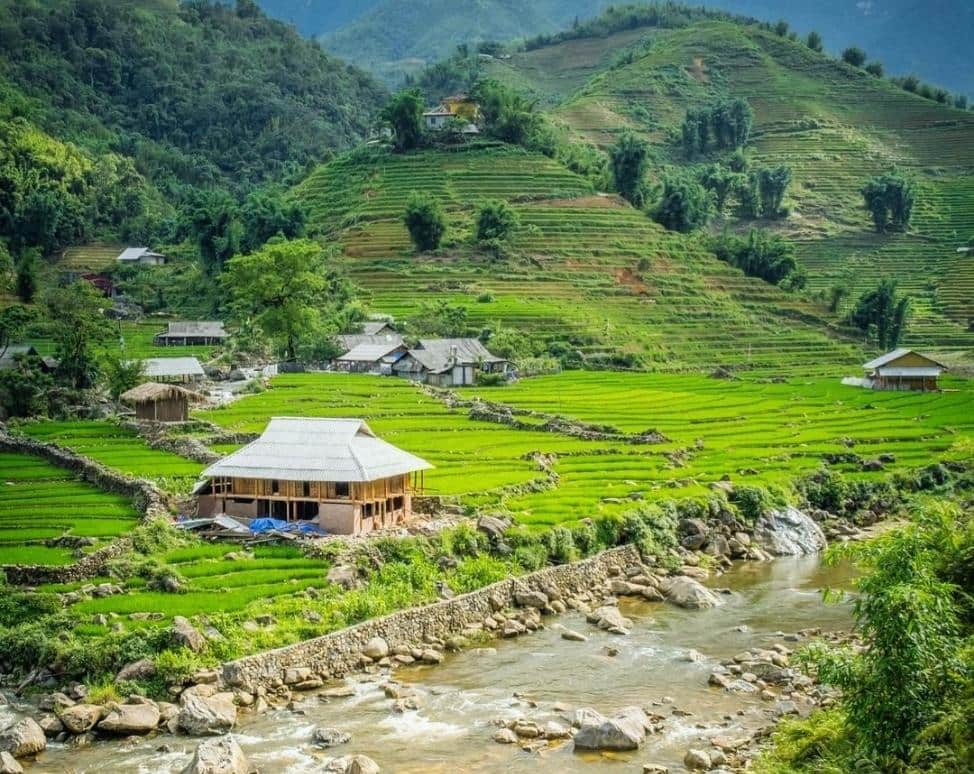
After a warm afternoon, locals often head to nearby rivers for a refreshing swim. If you’re travelling with a local guide or staying in a homestay, you may have the opportunity to visit safe swimming spots away from tourist crowds. Always exercise caution — river currents can become stronger after heavy rain.
Enjoy Sapa’s Misty Mornings
One of July’s greatest pleasures is simply waking up early. Overnight rain often leaves the valleys wrapped in low clouds, creating an almost dreamlike landscape before the sunshine returns. It’s worth setting an alarm to catch the valley before the mist lifts.
Discover Traditional Fishing
Some local communities still practice traditional river fishing techniques in suitable areas. While most visitors won’t participate, observing or learning about these age-old methods offers fascinating insight into rural mountain life and the close relationship between local communities and their natural environment.
Festivals & Events in July
Summer Farming Season
July is one of the busiest agricultural months across the valleys. Travellers can witness farmers tending rice fields using traditional techniques passed down through generations — an authentic, unscripted cultural experience that no festival can replicate.
Local Markets
Weekend markets continue to thrive throughout July, where ethnic minority communities gather to trade fresh produce, textiles, herbs, and handicrafts. These markets provide an excellent opportunity to sample regional specialties and meet locals from Hmong, Red Dao, Giay, and other communities.
What to Pack for Sapa in July
- Clothing: Lightweight hiking clothes, quick-drying shirts, waterproof jacket, long trousers, comfortable hiking shoes with good grip, sandals for evenings
- Essentials: Compact umbrella, rain cover for backpack, waterproof phone pouch, insect repellent, sunscreen, reusable water bottle
Travel Tips for July
- Start outdoor activities early to avoid afternoon showers
- Check weather forecasts before trekking, especially after periods of heavy rain
- Wear proper hiking footwear — trails can become very slippery after rain
- Book a local trekking guide if exploring remote villages or forest trails
- Allow extra travel time, as mountain roads may be slower after rain
- Stay in a homestay to experience local culture and enjoy home-cooked meals
- Avoid trekking immediately after exceptionally heavy rainfall due to possible landslides
Frequently Asked Questions
Is July a good month to visit Sapa?
Yes. July is perfect for travellers who want to experience lush rice terraces, vibrant landscapes, and authentic rural life. While rain is common, it usually doesn’t last all day.
Does it rain every day in Sapa in July?
Not necessarily. Rain often falls in the afternoon or overnight, leaving mornings suitable for sightseeing and trekking.
Are the rice terraces green in July?
Yes. July is one of the greenest months of the year. In some lower areas you may notice the first hints of gold as the crop begins to mature.
Is trekking difficult in Sapa in July?
Trails can be muddy and slippery after rain, so good hiking shoes are essential. Many travellers still enjoy trekking in July thanks to the spectacular scenery.
Can you swim in rivers near Sapa in July?
Yes, but only in safe locations recommended by locals or experienced guides. Water levels can rise quickly after heavy rainfall.
Is July crowded in Sapa?
July attracts domestic travellers during school holidays, but international visitor numbers are generally lower than during the autumn harvest season.
Is Fansipan worth visiting in July?
Yes. Although clouds occasionally obscure the summit, clear mornings can offer spectacular panoramic views, and the surrounding mountain scenery remains beautiful throughout the month.
Tours & activities in Sapa
Activity links above are affiliate or partner links.