
Cool mountain air, peaceful hiking trails, rolling seas of clouds, and vibrant forests make November one of Sapa’s most underrated months. While the rice harvest has long finished, late autumn reveals a quieter, more intimate side of Vietnam’s northern highlands.
Is November a Good Time to Visit Sapa?
Yes — especially if you enjoy hiking, nature, and tranquil mountain scenery.
By November, the busy harvest season has ended and many of the tour groups have disappeared. The rice terraces have been harvested, leaving open landscapes where water buffalo graze and village life returns to its slower pace.
The weather is one of the month’s biggest attractions. Days are generally cool and pleasant, while mornings can be wrapped in thick mountain mist before giving way to brilliant sunshine. Some days you’ll find yourself hiking in a T-shirt under blue skies; on others, you’ll be reaching for a fleece as clouds roll across the valleys.
If you’re looking for dramatic mountain scenery without the peak-season crowds, November is an excellent choice.
November is best for: nature lovers, hikers, photographers, couples, travellers seeking a quieter Sapa, and wildlife enthusiasts.
Weather in Sapa in November
- Daytime temperature: 16–22°C (61–72°F)
- Night temperature: 10–15°C (50–59°F)
- Rainfall: Low
- Humidity: Moderate
November marks the transition from autumn toward winter. Most days are dry, making it one of the best months for trekking. However, mountain weather remains unpredictable — clear blue skies can quickly give way to cool fog, especially during the morning and late afternoon. The changing conditions are all part of Sapa’s charm.
Pros of visiting in November
- Comfortable trekking weather
- Dry trails
- Beautiful cloud and mist scenery
- Fewer tourists
- Excellent visibility on clear days
- Cool, refreshing temperatures
Cons of visiting in November
- Weather changes quickly
- Cold mornings and evenings
- Rice terraces are no longer green or golden
- Fog can occasionally obscure mountain views
Best Places to Visit in Sapa in November
Muong Hoa Valley
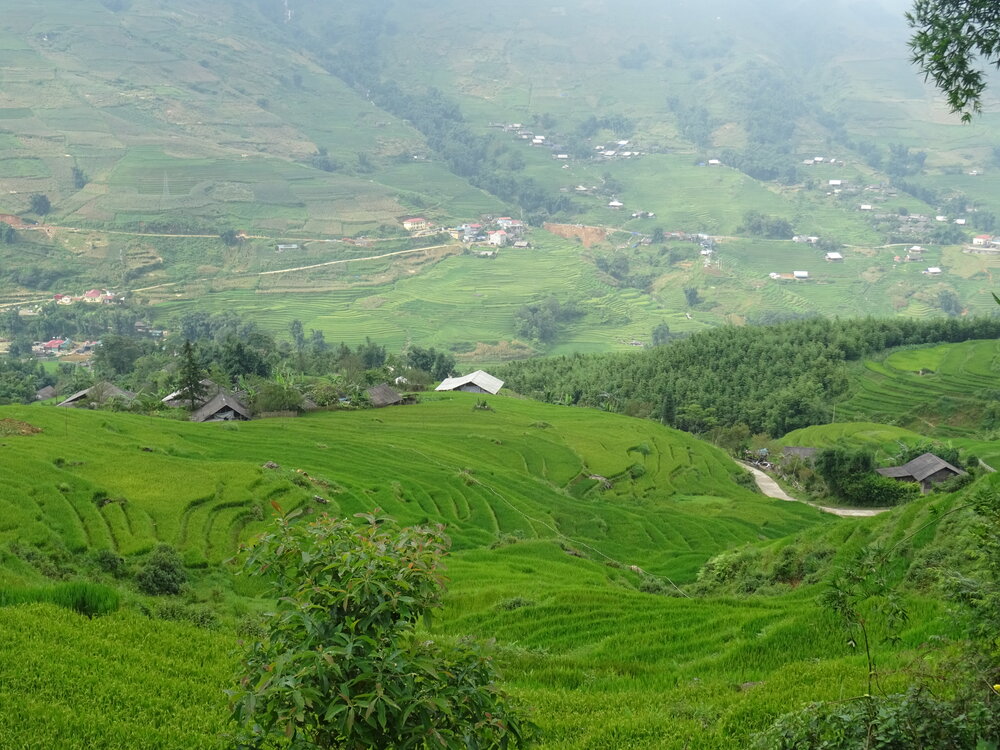
Although the rice harvest is over, Muong Hoa Valley remains spectacular. The terraces reveal their intricate contours, while green grass begins covering harvested fields. Mist drifting through the valley creates a peaceful atmosphere that feels entirely different from the vibrant harvest season. It’s an ideal place for relaxed walks and photography.
Hoang Lien National Park
November is one of the best months to explore the forests surrounding Sapa. The cooler weather makes longer hikes much more comfortable, while blooming wildflowers continue to attract butterflies and bees. This is also an excellent season to appreciate the biodiversity of the Hoang Lien Son mountain range. A knowledgeable local guide can point out native plants, edible herbs, and seasonal fruits that many visitors would otherwise overlook.
Fansipan
November often brings spectacular sea-of-clouds conditions. On misty mornings, the summit of Fansipan can rise above a blanket of clouds, creating one of northern Vietnam’s most unforgettable views. Whether hiking or taking the cable car, it’s well worth an early start.
Cat Cat Village
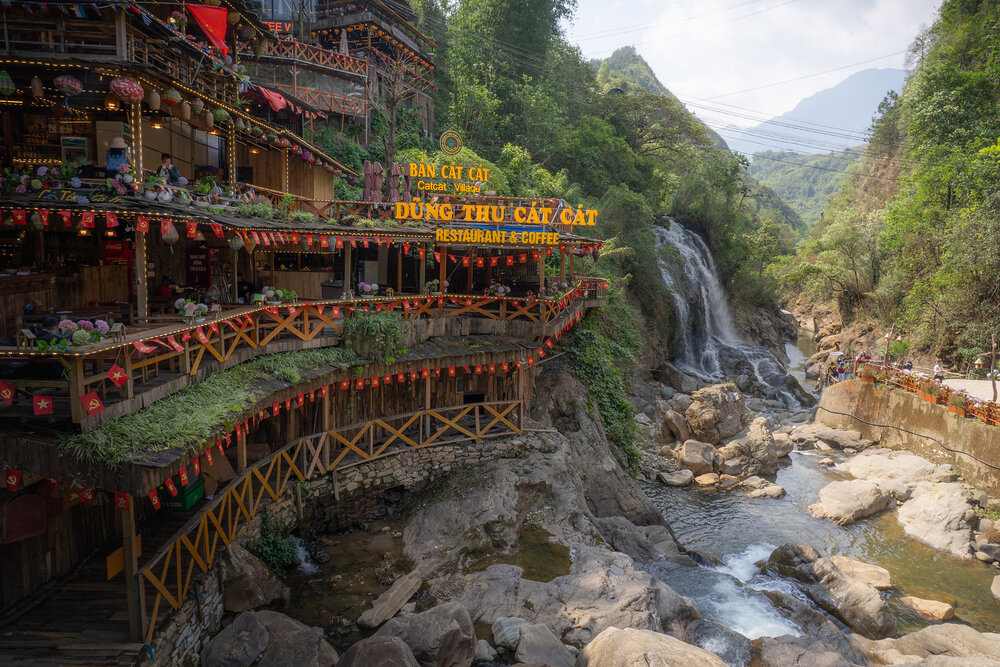
The cooler temperatures make exploring Cat Cat Village much more enjoyable than during the summer months. You’ll have more space to appreciate traditional wooden houses, water wheels, handicrafts, and mountain streams without the heat and humidity.
O Quy Ho Pass
November’s changing weather makes every journey across O Quy Ho Pass unique. One moment you’ll enjoy sweeping mountain views under blue skies, and the next you’ll find yourself driving through drifting clouds that transform the landscape into something almost otherworldly.
Best Things to Do in Sapa in November
Go Trekking
November is one of the easiest months for trekking. Dry trails replace the slippery paths of the rainy season, meaning many routes can be comfortably completed in lightweight hiking shoes rather than heavy boots. Popular treks include Lao Chai, Ta Van, Y Linh Ho, and forest trails around Hoang Lien National Park.
Photograph the Sea of Clouds
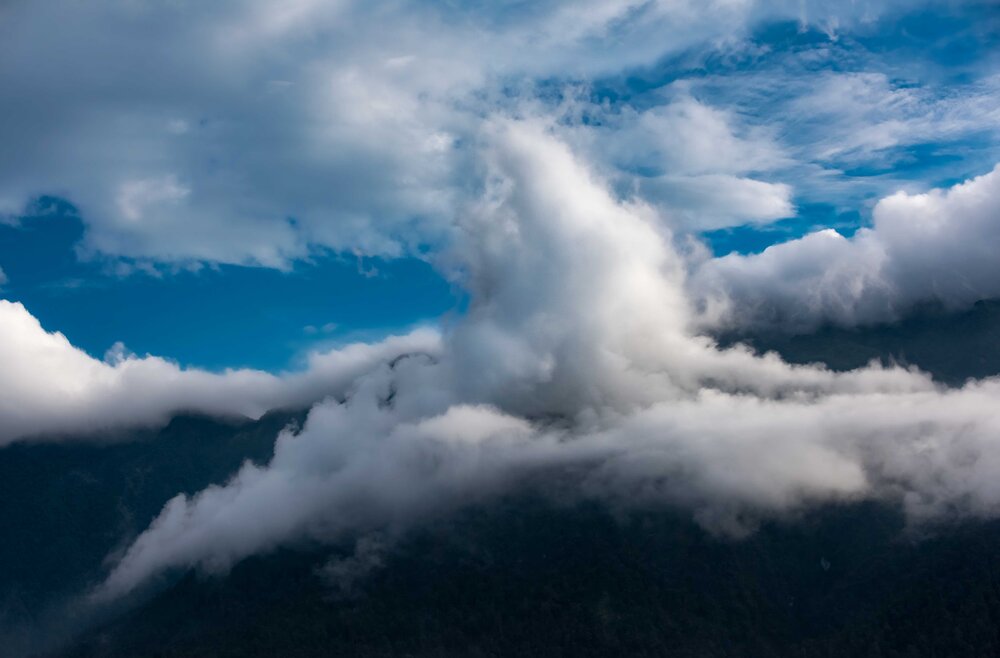
One of November’s highlights is the opportunity to witness Sapa’s famous cloud inversions. Early mornings often reveal valleys filled with clouds while mountain peaks emerge above them — a dream for landscape photographers. Patience is key, as the weather can change dramatically within minutes.
Discover Local Wildlife
The forests remain active with wildlife during November. Birds, butterflies, frogs, and harmless snakes are all part of the local ecosystem. While wildlife encounters are usually brief, they add an exciting element to forest walks. Admire wild animals from a respectful distance and avoid disturbing them.
Learn About Local Foraging
November remains a good season to discover wild mountain plants. Depending on the location, local guides may introduce edible herbs, seasonal fruits, and traditional ingredients that have long been part of ethnic minority cuisine. Never eat wild plants unless they have been positively identified by an experienced local guide.
Experience Rural Life
With the harvest complete, village life becomes more relaxed. It’s an excellent time to stay in a homestay, enjoy home-cooked meals, visit local markets, and learn about everyday traditions without the busy pace of harvest season.
Festivals & Events in November
Honey Harvest Season
November is an important time for local beekeepers. Wildflowers continue to bloom across the mountains, providing nectar that supports honey production. Depending on local conditions, visitors may have the opportunity to learn about traditional beekeeping and sample fresh mountain honey.
Local Markets
Weekend markets remain one of the highlights of visiting Sapa. Ethnic minority communities gather to trade fresh produce, medicinal herbs, handmade textiles, silver jewellery, and seasonal foods. These markets offer an authentic glimpse into everyday life in Vietnam’s northern highlands.
What to Pack for Sapa in November
- Clothing: Moisture-wicking T-shirts, light fleece or hoodie, waterproof jacket, comfortable hiking shoes with good grip, long trousers, warm layer for evenings
- Essentials: Reusable water bottle, sunscreen, sunglasses, camera, portable charger, insect repellent, small first-aid kit
Travel Tips for November
- Dress in layers — temperatures change quickly throughout the day
- Start hikes early if you hope to see the famous sea of clouds
- Carry plenty of water, even during cooler weather
- Wear shoes with good grip; heavy hiking boots are usually unnecessary on dry November trails
- Respect local wildlife and avoid touching unfamiliar insects or snakes
- Consider hiring a local guide if you’re interested in foraging or learning about native plants
Frequently Asked Questions
Is November a good month to visit Sapa?
Yes. November offers cool weather, dry trekking conditions, peaceful villages, and dramatic mountain scenery without the crowds of the harvest season.
Is it cold in Sapa in November?
Days are generally mild at 16–22°C, but mornings and evenings can be chilly. A light jacket or fleece is recommended.
Can I go trekking in Sapa in November?
Absolutely. November is one of the best months for trekking thanks to dry trails and comfortable temperatures.
Are the rice terraces still beautiful in November?
Yes, although in a different way. The golden rice has been harvested, revealing sculpted terraces, grazing water buffalo, and peaceful rural landscapes.
Can I see the sea of clouds in November?
Yes. November is one of the best months to experience cloud inversions, particularly in the early morning around Fansipan and high mountain viewpoints.
Are there many mosquitoes in November?
Far fewer than during the rainy season, although insect repellent is still useful for forest hikes.
Is November crowded in Sapa?
No. Visitor numbers are generally lower than in September and October, making it one of the quieter months to explore Sapa.
Tours & activities in Sapa
Activity links above are affiliate or partner links.