
Hanoi is one of those cities where the highlights are genuinely walkable. Most of the major attractions cluster around the Old Quarter and the lakes — you can cover a serious amount of ground on foot, by bicycle, or on the back of a motorbike. Here are 15 attractions worth putting on your Hanoi itinerary.

1. The Three Lakes: Hoan Kiem, West Lake & Truc Bach
Hoan Kiem Lake (Sword Lake) is Hanoi’s centrepiece — the red Huc Bridge, Ngoc Son Temple on a small island, and Turtle Tower in the middle of the water. The legend goes that Emperor Le Loi returned a magic sword to a golden turtle here in the 15th century. It’s best at dawn when locals are doing tai chi on the banks.
West Lake (Ho Tay) is the city’s largest lake, ringed by temples, upmarket restaurants, and the laid-back Tay Ho neighbourhood. Tran Quoc Pagoda, one of Vietnam’s oldest, sits on a small peninsula jutting into the water. Truc Bach Lake, separated from West Lake by a narrow causeway, is quieter and less visited — worth a stroll if you’re in the area.
- Ngoc Son Temple entry: 30,000 VND
- Best time: Early morning (5:30–7:30 AM) for the lake walk and local atmosphere
2. Temple of Literature
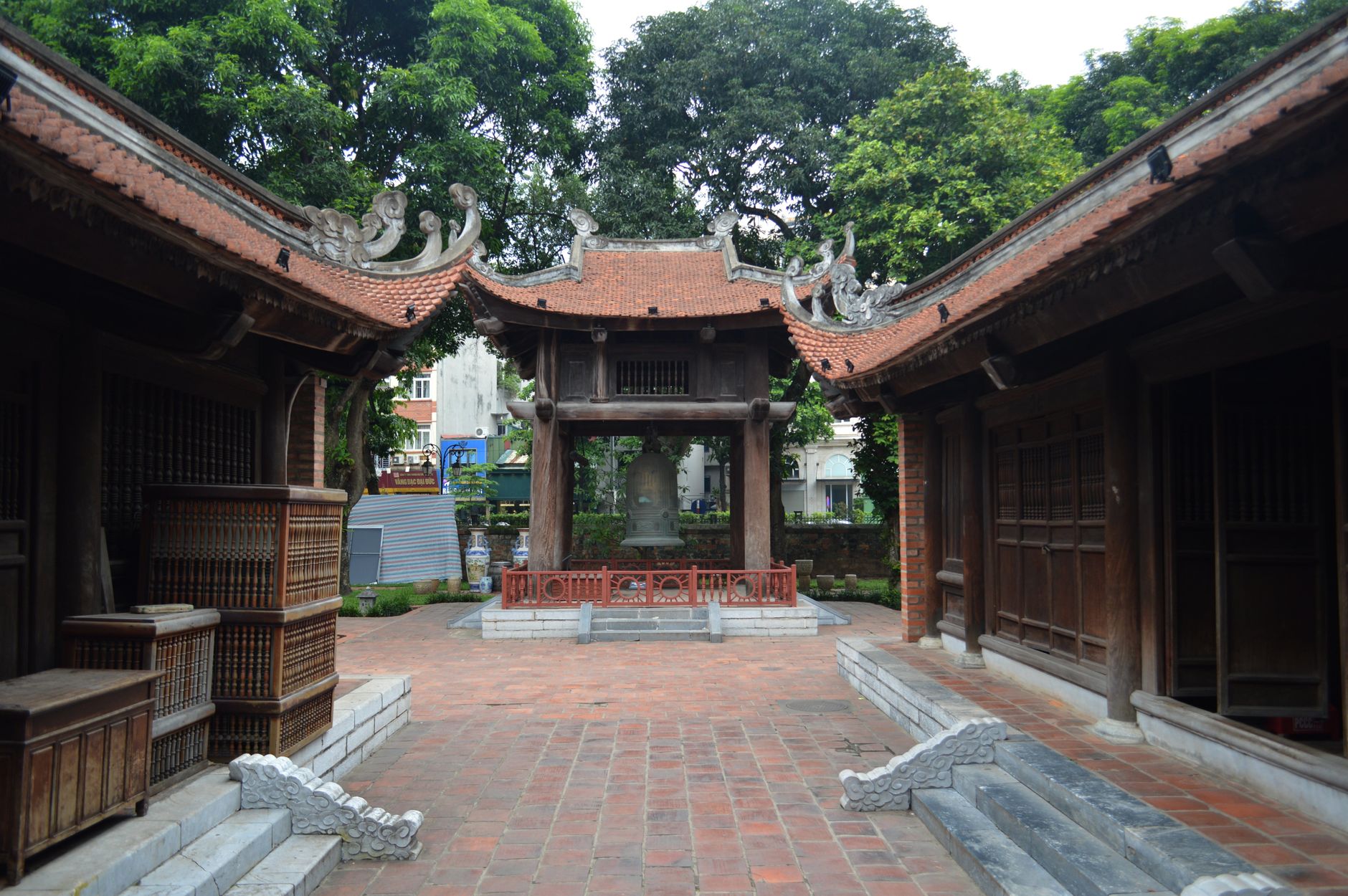
Built in 1070 and dedicated to Confucius, the Temple of Literature served as Vietnam’s first university for nearly 700 years. The complex is a beautiful series of courtyards, pavilions, and stone steles bearing the names of doctoral graduates. It’s one of Hanoi’s best-preserved examples of traditional Vietnamese architecture and a genuinely peaceful place to spend an hour.
- Entry: 30,000 VND
- Hours: 7:30 AM–6:00 PM (summer); 8:00 AM–6:00 PM (winter)
3. Ho Chi Minh Mausoleum
Uncle Ho’s preserved body lies in a granite mausoleum on Ba Dinh Square — the same square where he declared Vietnamese independence in 1945. The building is imposing, the atmosphere is solemn, and the guards are immaculate. Flag-raising and lowering ceremonies happen daily at 6:00 AM and 9:00 PM. Dress conservatively: no tank tops, no shorts, no hands in pockets.
- Entry: Free
- Hours for interior visits: Seasonal; closed for annual maintenance roughly August–November
- Address: 2 Hung Vuong, Ba Dinh
4. Hanoi Old Quarter (36 Streets)
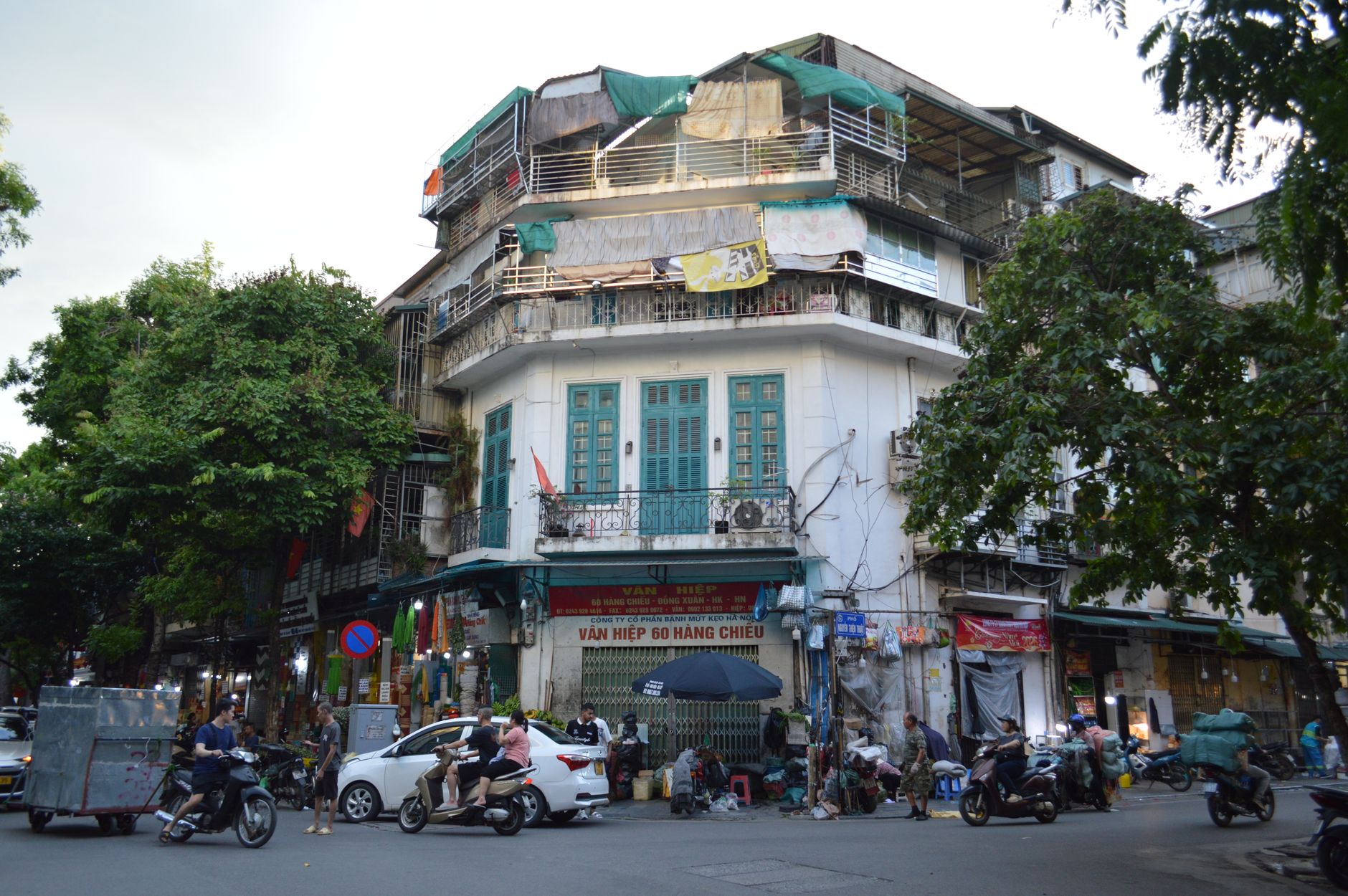
The Old Quarter is a dense grid of narrow streets, each historically specialising in a single trade — silk on Hang Gai, paper on Hang Ma, tin on Hang Thiec. Today the lines have blurred but the character remains: street food vendors, motorbikes, shophouses stacked floor to ceiling. The best way to experience it is on foot or by cyclo. Get lost in it.
- Don’t miss: Hang Ma Street (paper goods and decorations), Dong Xuan Market for wholesale goods, and the Night Market on weekends (Friday–Sunday, 6 PM–midnight)
- Watch for: Pickpockets in crowded areas
5. Hanoi Cathedral (St. Joseph’s Cathedral)
Built by the French in 1882 in a neo-Gothic style modelled loosely on Notre-Dame de Paris, Hanoi Cathedral sits at the edge of the Old Quarter near Hoan Kiem Lake. It’s not open for general tourism but is accessible during Mass (usually 5:00 AM, 6:00 AM, and 6:00 PM daily). The square in front is surrounded by cafés and is one of the best spots in the city for people-watching, especially around Christmas when the church is dramatically lit.
6. Hoa Lo Prison (Hanoi Hilton)
Built by the French in 1896 to hold Vietnamese political prisoners, Hoa Lo later became infamous as the prison where American POWs were held during the Vietnam War — nicknamed the “Hanoi Hilton” by the pilots detained here. Only a portion of the original complex survives (the rest was demolished for a hotel tower), but the museum inside is thorough, sobering, and worth two hours.
- Entry: 30,000 VND
- Hours: 8:00 AM–5:00 PM daily

7. Dong Xuan Market
Hanoi’s oldest and largest covered market, built in 1889 and rebuilt after a fire in 1994. It’s a wholesale-focused, five-storey warren selling everything from live chickens to plastic toys to fabric by the bolt. Prices are negotiable. It’s not a tourist market — it’s where Hanoians actually shop — which makes it more interesting. The surrounding streets outside are some of the liveliest in the Old Quarter.
- Hours: 6:00 AM–6:00 PM
- Note: Bargain firmly; watch your belongings
8. Imperial Citadel of Thang Long
A UNESCO World Heritage Site since 2010, the Imperial Citadel was the political centre of Vietnam for over 13 centuries. The complex includes the Flag Tower (one of Hanoi’s most recognisable landmarks), ancient gates, Kinh Thien Palace, and underground military tunnels used during the American War. On Friday and Saturday evenings there’s a night tour at 7:00 PM that includes a sound-and-light show.
- Entry: 30,000 VND (day); 300,000 VND adults / 150,000 VND children (night tour)
- Hours: 8:00 AM–5:00 PM (day tour); 7:00 PM Fridays and weekends (night tour)
9. Hanoi Opera House
Built by the French between 1901 and 1911, the Hanoi Opera House is one of the finest examples of French colonial architecture in Southeast Asia. It’s not open for general visits, but performances — classical music, ballet, traditional Vietnamese opera — run regularly from around 400,000 VND per ticket. Even if you don’t catch a show, the building is worth seeing from outside: it anchors the grand French Quarter boulevard and is especially photogenic at night.
10. Long Bien Bridge
Spanning the Red River since 1902, Long Bien Bridge is a French colonial iron lattice structure — sometimes called the “horizontal Eiffel Tower” — that has survived bombing campaigns, floods, and decades of traffic. It’s still in use today by pedestrians, cyclists, and motorbikes (the two outer lanes), while trains run down the centre. Walking across it at dawn or dusk gives you some of the best views of the Red River and the city skyline.
11. Thang Long Water Puppet Theatre
Water puppetry is a uniquely Vietnamese art form that originated in the Red River Delta over a thousand years ago. The Thang Long theatre near Hoan Kiem Lake runs shows almost daily, with wooden puppets performing traditional scenes — dragons breathing fire, farmers harvesting rice, festival dances — on a pool of water, accompanied by live traditional music. Shows last about 45 minutes.
- Tickets: From 100,000 VND; book ahead in peak season
- Note: Extra fee for photography/video (20,000–60,000 VND)
12. Quang Ba Flower Market
One of Hanoi’s most atmospheric experiences — a wholesale flower market that runs through the night, peaking between 1:00 and 3:00 AM when trucks arrive from the countryside. Mountains of roses, chrysanthemums, lotus, and orchids fill the stalls. Vendors set prices in bulk, but individual bunches are available at very reasonable prices. Bring a jacket — it’s cold in winter and the market is outdoors.
- Hours: 11:00 PM–6:00 AM (most active 1:00–3:00 AM)
- Location: Quang Ba, Tay Ho
13. One Pillar Pagoda
One of Vietnam’s most iconic structures — a small wooden pagoda set on a single stone pillar rising from a lotus pond. It was built in 1049 by Emperor Ly Thai Tong, who dreamed that the goddess Quan Am handed him a son while sitting on a lotus flower. The current structure is a 1955 reconstruction (the French destroyed the original before leaving). Buddhist ceremonies are held on the 1st and 14th of each lunar month.
- Entry: 25,000 VND
- Hours: 7:00 AM–6:00 PM
14. Bat Trang Ceramic Village
About 15 kilometres east of central Hanoi, Bat Trang has been producing ceramics for over 500 years. The village is a maze of kilns, workshops, and showrooms selling everything from simple bowls to elaborate hand-painted vases. You can try your hand at the wheel in workshops (from around 30,000 VND), and the covered market sells finished ceramics at wholesale prices. A good half-day trip from the city.
- Getting there: Bus 47A or 52B from Long Bien bus station; or grab/taxi (~200,000 VND one way)
- Entry: Free (workshop sessions from 30,000 VND)
15. Hanoi Train Street
Twice a day, a train passes within inches of the shopfronts and café tables lining a narrow residential alley off Phung Hung Street. Locals have lived alongside this railway for generations. The street became a tourist attraction — then got temporarily closed after overcrowding — and has now reopened with safety guidelines in place. Check train times before you go (they vary by day), arrive early for a spot at one of the cafés, and stay behind the safety line when the train passes.
- Location: Off Phung Hung Street, Hoan Kiem
- Best visited: Weekday mornings to avoid weekend crowds
Want food, coffee, museums and day trips as well as the landmarks? See our 20 things to do in Hanoi.
Practical Tips for Visiting Hanoi
- Getting around: The Old Quarter and lake areas are walkable. Grab is the easiest option for longer distances. Cyclos are available for a slow tour of the Old Quarter.
- Best time to visit: October–April for cooler, drier weather. Avoid July–August (hot, humid, occasional typhoon risk).
- Entry fees: Most attractions charge 25,000–30,000 VND — budget a few dollars total for the major sites.
- Safety: Hanoi is generally safe. Watch for motorbike bag-snatchers in the Old Quarter and keep belongings close in Dong Xuan Market.
Tours & activities in Hanoi
Activity links above are affiliate or partner links.