Vietnam is one of my favourite countries to travel around. The food is incredible, the landscapes are hard to beat, and most of the people I meet are genuinely friendly and helpful.
But if you’re visiting Vietnam for the first time, there is one thing I recommend knowing before you arrive: tourist scams do happen here.
That doesn’t mean Vietnam is unsafe, and I certainly don’t think you need to walk around suspicious of everyone. Most scams I’ve come across are not dangerous. They are usually about getting an extra few dollars from a tourist who doesn’t know the normal price or doesn’t realise what is happening.
After spending a lot of time travelling around Vietnam and working in tourism after COVID, I’ve learned that the best protection is simply knowing what to expect.
Some of these scams are very obvious once you’ve seen them once. Others are surprisingly easy to fall for, especially when you’re tired after a long flight or unfamiliar with Vietnamese money.
Here are 20 common scams and tourist traps in Vietnam, plus what I do to avoid them.
Transport Scams
1. Overpriced Airport Taxis & Cyclos
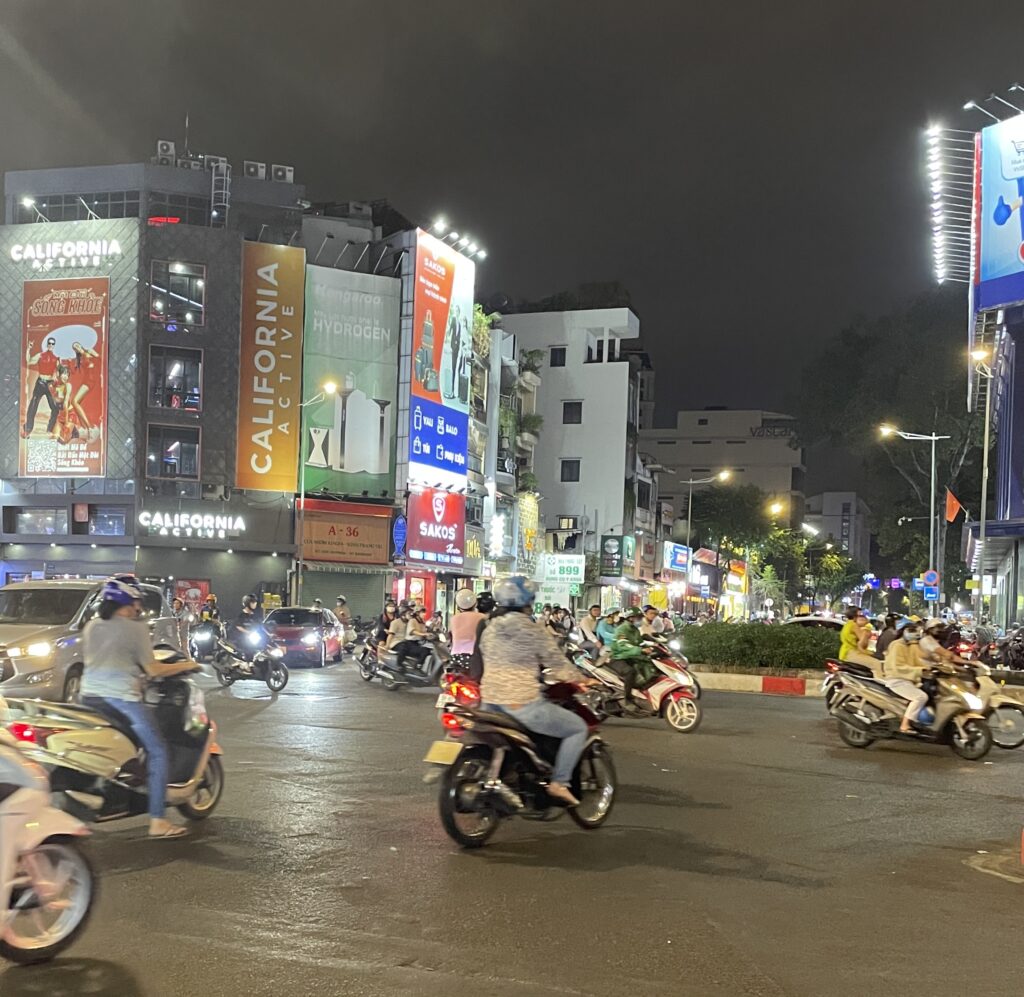
This is probably one of the first scams you might encounter because it can happen within minutes of arriving in Vietnam.
Walk out of the airport and you’ll often hear drivers calling out: “Taxi! Taxi! Grab!”
Some will offer what sounds like a reasonable price, but the final fare can be much higher than expected.
Cyclos can have a similar problem. You might be offered a cheap-looking ride around the Old Quarter or another tourist area, only to discover that the price was unclear or was supposedly charged per person rather than for the whole ride.
I’ve seen tourists agree to a price simply because they don’t want to stand around arguing after a long flight.
How to avoid it: For airport transfers, use a reputable taxi company or a ride-hailing app and confirm the price before getting into the car. If you want to try a cyclo, agree on the total price and duration before the ride starts.
→ Book transport in Vietnam — trains, buses and transfers with transparent pricing
2. Rigged Taxi Meters
Even if you avoid the airport taxi problem, you can still encounter dodgy taxi meters in major Vietnamese cities.
The meter may appear completely normal, but the fare increases much faster than you expect. A short trip can suddenly become much more expensive than it should be.
This is particularly frustrating because you may not realise anything is wrong until you arrive.
How to avoid it: When possible, use a reputable taxi company or a ride-hailing app where you can see the fare before the journey. If the meter is behaving strangely, don’t be afraid to stop the ride and get out somewhere safe.
3. Fake Grab Drivers
This is one I particularly want first-time visitors to know about.
At airports and busy tourist areas, someone may approach you saying: “Grab? Grab?”
They may even look like a legitimate driver. The problem is that you haven’t actually booked them through the Grab app. They’re simply offering you a private taxi at an inflated price.
I’ve seen this happen first-hand in Saigon. A backpacker couple was about to get into a car after someone approached them claiming to be their Grab driver. Luckily, they stopped before getting in.
How to avoid it: Book through the app and check the driver’s name, vehicle and licence plate before getting into the car. Don’t accept a ride simply because someone says “Grab.”

4. Bus & Train Ticket Markups
Vietnam has plenty of travel agencies and small ticket shops, and many of them are perfectly legitimate.
The problem is that some will add a large commission to bus or train tickets. You may end up paying considerably more than the actual ticket price, sometimes without realising it.
I’ve also heard of travellers receiving unclear departure information or being given a different seat or bus from what they expected.
How to avoid it: Compare prices before booking. For trains, use official railway channels where possible. For buses, book directly with a reputable operator or a trusted booking platform. If your hotel offers to arrange a ticket, that’s also fine — just ask for the total price and what type of bus or train you’re getting.
Book train tickets directly:
Hanoi → Nha Trang ·
Ho Chi Minh City → Da Nang ·
Da Nang → Hue
5. The “Closed Hotel” Trick
This one can be particularly stressful when you’re arriving somewhere for the first time.
A driver or random person may tell you: “Your hotel is closed.”
They’ll then suggest another hotel nearby. Of course, the original hotel isn’t necessarily closed at all. The goal is to convince you to stay somewhere else, usually because the person gets a commission from the alternative hotel.
How to avoid it: If someone tells you your hotel is closed, don’t immediately believe them. Call the hotel yourself or check the address on Google Maps. If you’ve already booked the room, go directly to the address you have. This is one situation where having the hotel name, address and phone number saved on your phone is extremely useful.
Booking and Ticketing Scams
6. Motorbike Rental Scams
Renting a motorbike is a great way to explore Vietnam, particularly outside the major cities. But there are a few rental tricks you should know about.
The most common is being blamed for existing damage when you return the bike. A scratch or dent that was already there suddenly becomes your responsibility. Another problem is being charged unexpected fees for fuel, helmets, late returns or damage.
How to avoid it: Before riding away, take photos and videos of the entire motorbike — including both sides, mirrors, wheels and existing scratches. Ask about the rental price, deposit, fuel policy and what happens if the bike breaks down. And don’t hand over your passport as a deposit if you can avoid it — a cash deposit is the standard alternative.
→ Riding a motorbike legally in Vietnam — licences, IDPs & what police actually check
7. Fake eVisa Websites
Dozens of fake websites mimic the official Vietnamese immigration portal and charge excessive fees or steal personal data.
How to avoid it: The only legitimate e-visa portal is evisa.xuatnhapcanh.gov.vn. The official fee is around $25 USD — anything significantly higher is a scam.
8. Fake Tour Companies
Vietnam has thousands of tour operators, from large established companies to tiny local agencies. Unfortunately, copying the name, logo or website of a legitimate tour company is not difficult.
You may book what looks like a Ha Long Bay cruise, Ha Giang tour or Mekong Delta trip, only to discover that what you receive is very different from what was advertised. Don’t choose a tour solely because it’s the cheapest option.
How to avoid it: Check recent reviews, verify the company’s website and make sure the contact information matches. For expensive tours, I would rather spend a little more with a company that has a clear reputation than save a few dollars and spend the whole trip wondering what I actually booked.
Connect and book directly with local licensed tour operators at vietnam-guides.com/tour/
9. WhatsApp Accommodation Deposit Scam
You book a hotel, guesthouse, or villa on Booking.com, Agoda, or Hotels.com. Shortly after, you receive a WhatsApp message from someone claiming to be the property — asking you to pay a deposit or confirm your booking details outside the platform.
They are not from the hotel. Scammers monitor booking platforms and contact guests directly, knowing that people are often happy to hear from their accommodation. The message looks plausible, the name matches, and the urgency feels real. Some will even send a fake receipt after you transfer the money.
How to avoid it: Only communicate with accommodation through the platform you booked on. Legitimate hotels do not need your payment details over WhatsApp — your booking is already confirmed and any deposit would be handled through the app. If a property does need to reach you directly, they will call the number you registered with, not message you on a third-party app. When in doubt, log into your booking platform and use the in-app messaging system to verify.
Street and Market Scams
9. Dodgy Vendors Targeting Tourists
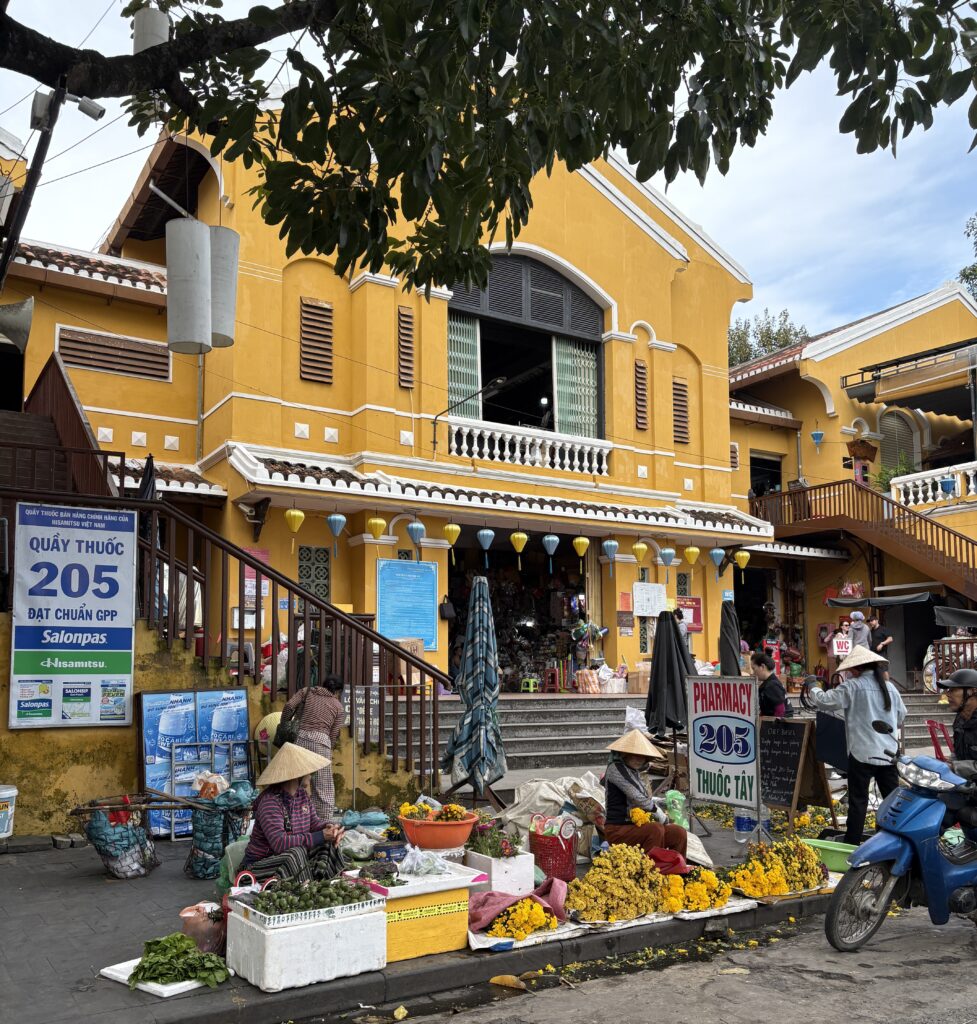
Markets are part of the fun of travelling around Vietnam, but tourist areas can also come with tourist prices.
A vendor may quote a very high price because they assume you don’t know what the item should cost. Sometimes the price is simply negotiable. Other times, tourists are pressured into buying something after handling or trying it.
How to avoid it: Ask the price before taking something or agreeing to buy it. If you don’t like the price, smile and walk away. You don’t need to argue. And remember that walking away is part of the shopping experience in many Vietnamese markets.
10. Street Money Exchange
You may see people offering currency exchange outside banks, tourist areas or markets. The rate might look attractive, but this is where things can go wrong.
You could receive less money than expected, misunderstand the exchange rate, or simply struggle to count Vietnamese banknotes quickly. Vietnamese currency can be confusing at first because of all the zeros.
How to avoid it: Use banks, reputable exchange counters or your hotel for smaller amounts. Before handing over your money, check the exchange rate and count the Vietnamese dong carefully. And once you’ve received the money, count it again before walking away.
11. “Friendly” Locals Offering Help
Vietnamese people can be incredibly friendly, so this one can be difficult to distinguish from a genuine interaction.
Someone might approach you at a train station, bus station or tourist attraction and offer to help with your luggage, directions or tickets. Sometimes they really are being helpful. Other times, you’ll be expected to pay for the “help” afterward.
How to avoid it: If you need assistance, ask staff, security guards, your hotel or official ticket counters first. You don’t have to be rude. A simple “No, thank you” is usually enough.
12. Pickpocketing in Crowded Places
This isn’t technically a scam, but it’s one of the tourist problems worth mentioning. Busy markets, walking streets, festivals and crowded attractions create good opportunities for pickpockets.
- Keep your phone away from the road when standing near traffic
- Use a zipped cross-body bag rather than a backpack or open tote
- Don’t keep your wallet in your back pocket
- Avoid putting your phone or passport in an easily accessible outside pocket
- Be more careful in very crowded areas
You don’t need to be paranoid. Just don’t make yourself an easy target.
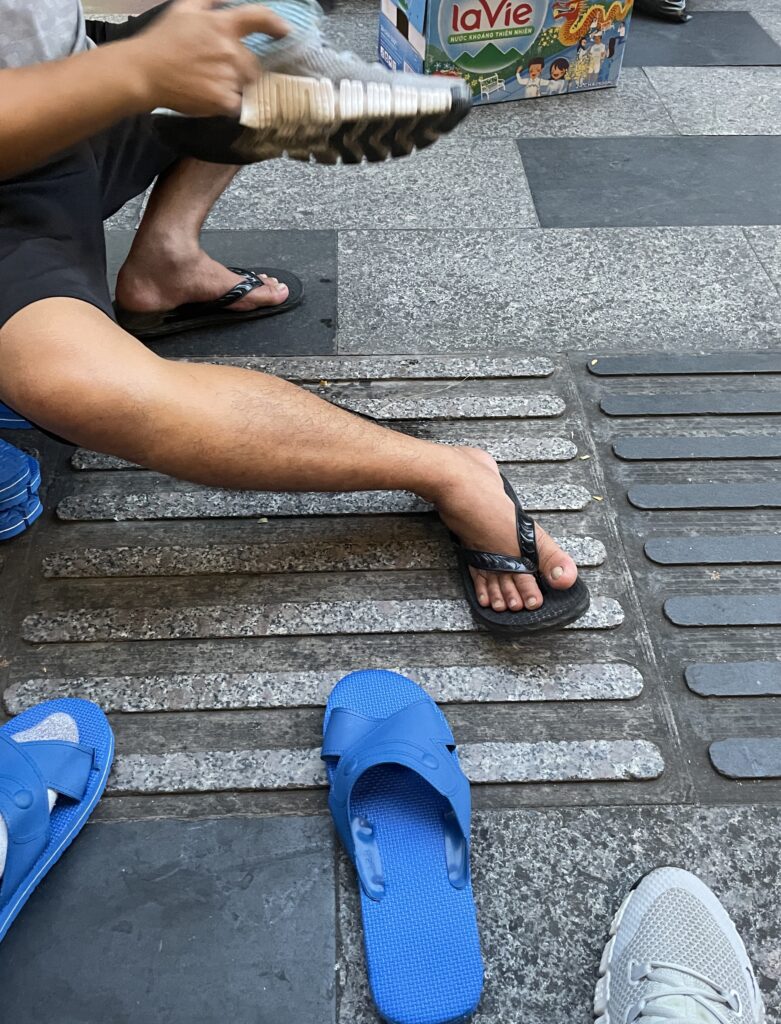
13. The Shoe Shiner Scam
You may be walking around a tourist area when someone points at your shoes and starts cleaning them without really asking. Once they’re finished, they demand payment — often much more than you’d expect for a simple shoe cleaning. Sometimes the interaction can become quite uncomfortable if you refuse.
How to avoid it: If someone approaches your shoes and you don’t want the service, say “No, thank you” and keep walking. Don’t let someone start the service simply because you feel awkward saying no.
14. The Photo Scam
You’ll see people in traditional Vietnamese clothing, conical hats or carrying baskets of fruit around popular tourist areas. Sometimes they will encourage you to take a photo. It looks harmless — then comes the request for money.
In some cases, they may even place a basket or another item in your hands and then charge you for the photo.
How to avoid it: If someone approaches you specifically offering a photo opportunity, ask about the price before taking the picture. If you don’t want to pay, simply smile and say no.
Social and Payment Scams
15. Dating & Companion Scams
This isn’t something every traveller will encounter, but it does happen, particularly around nightlife areas.
Someone may start chatting with you online or in person and suggest meeting at a particular bar, club or restaurant. Once you arrive, the bill can become surprisingly expensive, with overpriced drinks or other charges added. The person you met may then disappear once the bill arrives.
How to avoid it: If you’re meeting someone you don’t know, choose a normal public venue and check the menu prices yourself. Be especially cautious if someone insists on taking you to a particular bar or club because “it’s their favourite place.”
16. Hoi An Boat Ride Scam
Hoi An’s lantern and basket boat rides are fun experiences, but they can also come with unclear pricing. You might be offered what sounds like a cheap boat ride, only to discover additional charges once you’re already on the boat — for lanterns, guides, photography or other services.
How to avoid it: Before getting on, confirm the total price, how long the ride lasts, how many people the price covers, what is included, and whether there are any additional fees. If you’re unsure, book through your hotel or a reputable tour provider rather than accepting a random offer beside the river.
17. Massage & Spa Overcharges
Some places advertise a very cheap massage and then add unexpected charges. You might be told that certain treatments, oils, tips or additional services cost extra. By the time you’re finished, the bill is considerably higher than the price you expected.
How to avoid it: Ask for the full price before starting. If they offer additional services during the treatment, make sure you understand whether they cost extra. Don’t feel pressured to accept anything you didn’t ask for.
18. Credit Card Overcharges
Paying by card is becoming increasingly common in Vietnam. But you should still check the amount before confirming a card transaction. An extra zero can make a very big difference when you’re dealing with Vietnamese dong — something that should be 500,000 VND becoming 5,000,000 VND is an expensive mistake.
How to avoid it: Look at the payment terminal before confirming the transaction. Check the amount carefully and keep your receipt until you’ve had a chance to review your bank statement.
19. Restaurant Menu & Price Scams
Most Vietnamese restaurants are completely straightforward, but in tourist areas you may occasionally encounter unclear menus or prices. A dish might be priced per 100g rather than per portion, seafood may be charged by weight, or additional dishes may appear on the table that you didn’t realise weren’t complimentary.
How to avoid it: Look at the price carefully before ordering, particularly with seafood. If you’re unsure whether something is included, ask. And if you’re handed a menu without prices, I would simply choose another restaurant unless you’re comfortable asking for the price of everything first.
20. Tourist Attraction Ticket Scams
Someone may approach you outside a tourist site offering tickets, shortcuts or “special access.” Sometimes it’s legitimate. Sometimes you’re simply paying more for something you could have bought directly from the official ticket counter.
There can also be confusion over whether a ticket includes transport, an attraction entrance fee or additional activities.
How to avoid it: Whenever possible, buy attraction tickets from the official ticket office or the attraction’s official website. Before paying, ask exactly what the ticket includes. If someone approaches you on the street saying they can get you a “special price,” be cautious.
General Safety Tips
- Carry your bag in front of you in crowded areas — markets, bus stations, and night streets are common pickpocket zones
- Use a cross-body bag with zippers rather than a backpack or open tote
- Step into a doorway or off the street to use your phone; phone snatching from moving motorbikes is the most common petty theft
- Count your cash and change every time — don’t feel embarrassed about it
- Check the payment terminal before confirming any card transaction
- Take photos of a rental motorbike before riding away
- Don’t feel pressured to accept any service you didn’t ask for
- Awareness is your best protection — once you know the patterns, they are easy to spot and sidestep
Final Thoughts: Are Scams in Vietnam Something to Worry About?
Honestly, I wouldn’t let scams put you off visiting Vietnam.
After travelling around the country many times, I don’t spend my days worrying about being scammed. Most of my interactions with Vietnamese people have been completely normal, and some of the nicest experiences I’ve had here came from people who went out of their way to help me.
The important thing is understanding how things work. If someone approaches you with an unsolicited taxi, tour, ticket, photo opportunity or service, slow down and ask yourself what you’re actually agreeing to.
The vast majority of scams are more annoying than dangerous. Knowing the common ones beforehand means you can recognise them, smile, say no, and continue enjoying your trip.
And that’s really the point of this guide — not to make you suspicious of Vietnam, but to help you travel here with a little more confidence.
Quick FAQ
Are tourist scams common in Vietnam?
They exist, particularly in busy tourist areas, airports, markets and nightlife districts. However, that doesn’t mean most Vietnamese businesses or people are trying to scam tourists. Being aware of common situations is usually enough to avoid most problems.
What is the most common scam in Vietnam?
For first-time visitors, I’d pay particular attention to transport scams — especially unofficial airport taxis, fake ride-hailing drivers and inflated taxi fares.
Is Vietnam safe for tourists?
Yes. I wouldn’t consider tourist scams a reason to avoid Vietnam. Use normal travel precautions, protect your belongings and don’t feel pressured into accepting services you didn’t ask for.
Should I carry cash in Vietnam?
Yes. Cash is still useful for small restaurants, markets, street food and local businesses. Just keep your larger notes and wallet somewhere secure and take your time when counting money.
→ Vietnam entry requirements checklist · Vietnam e-visa guide · Vietnam food guide
Tours & activities in Vietnam
Activity links above are affiliate or partner links.