
Vietnam is the world’s second-largest coffee producer, but volume tells only half the story. What makes Vietnamese coffee culture genuinely interesting isn’t the scale — it’s the creativity. While the rest of the world was busy perfecting the flat white, Vietnam quietly developed a dozen ways to drink coffee that most travellers have never heard of. Some took off internationally; most stayed stubbornly local.
We grew up drinking these. This guide covers the ten types you’ll actually encounter — from the classics ordered at every street-corner stall to the stranger inventions that surprise even Vietnamese people who haven’t been back in a while.
1. Cà phê sữa đá — Iced Coffee with Condensed Milk
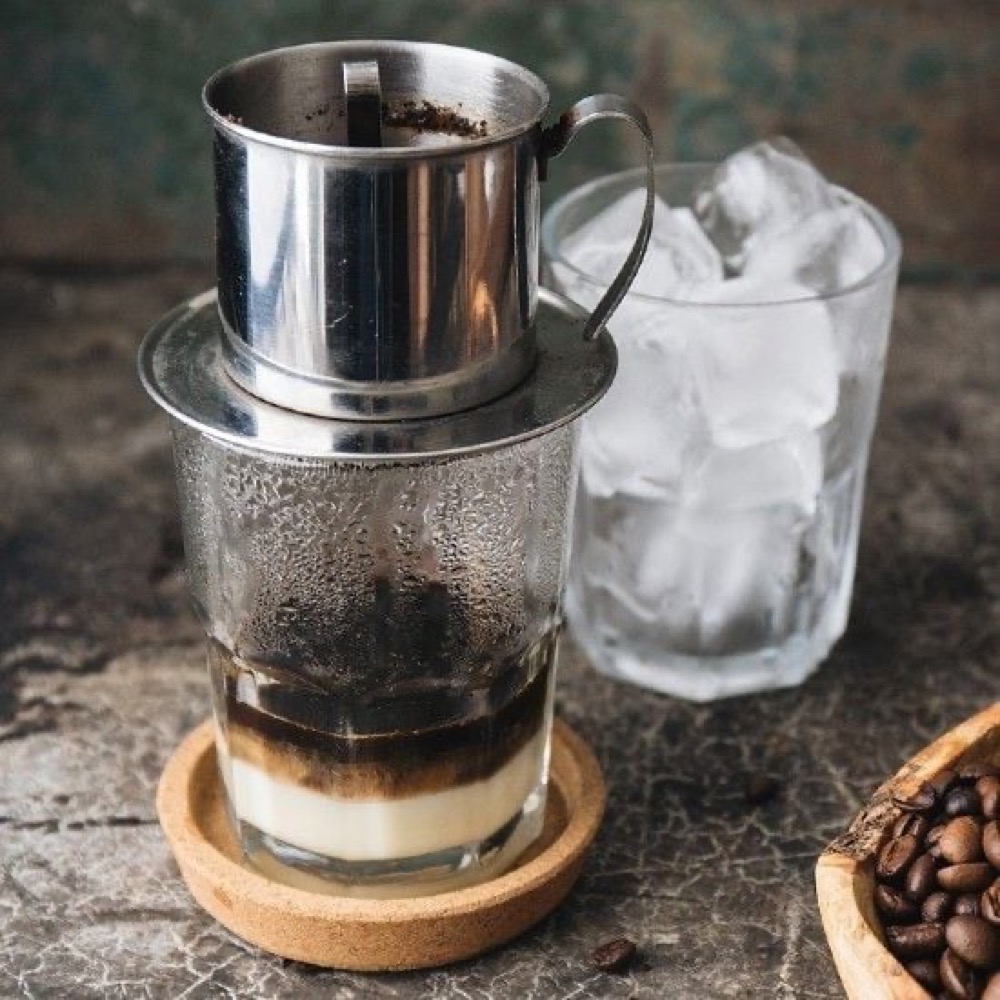
The one most travellers already know, or think they know. Strong robusta brewed slowly through a phin filter, poured over a generous spoon of condensed milk, then tipped into a glass of ice. The result is thick, sweet, and intensely caffeinated — nothing like the watered-down iced coffees you get elsewhere.
The condensed milk isn’t just sweetener. Fresh milk was expensive and hard to keep in the heat; condensed milk was stable and affordable. That’s how the combination started, and it stuck because the flavour is genuinely better. The richness of the milk against the bitterness of robusta is a pairing worth taking seriously.
Order it hot (cà phê sữa nóng) on a cold morning in Hanoi or Sapa and it hits differently. Most people default to iced in the south — in Ho Chi Minh City the heat justifies it year-round.
2. Cà phê đen — Black Coffee
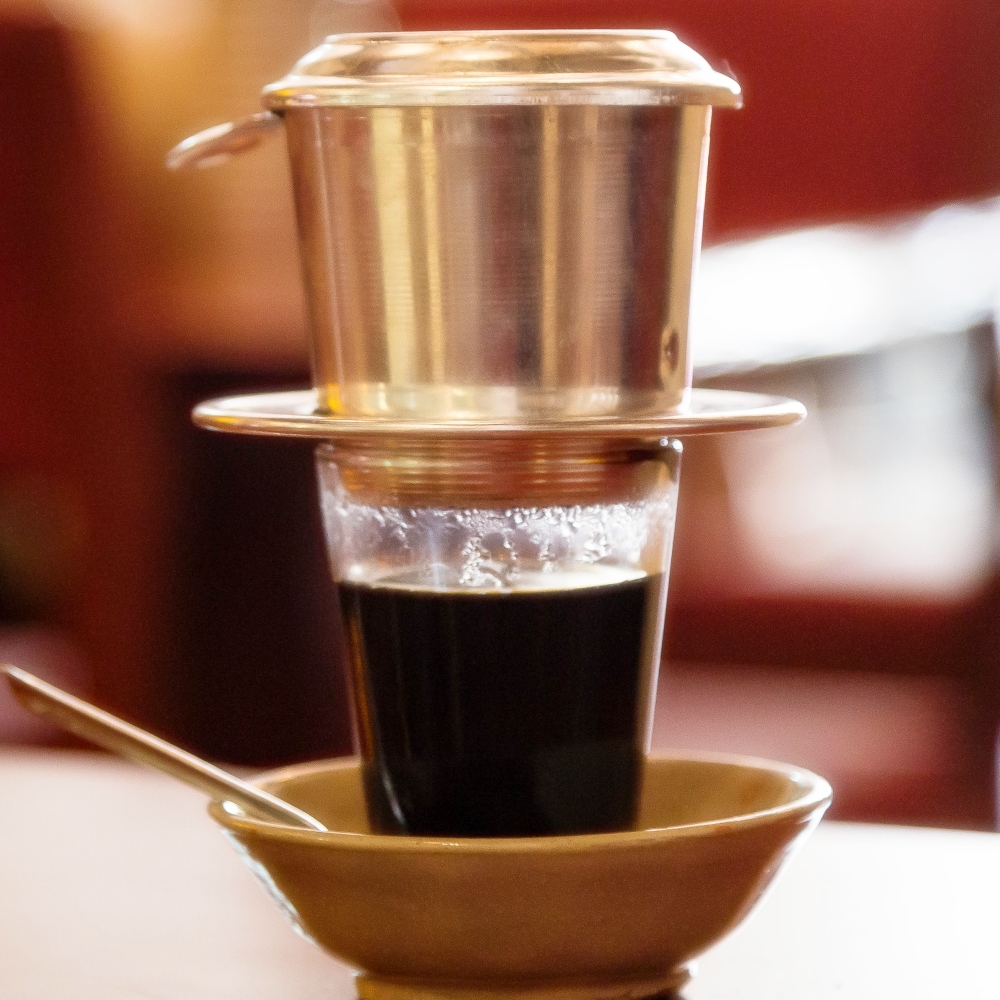
Exactly what it sounds like. Robusta brewed through the phin, nothing added. Hot or iced, this is what older Vietnamese men drink at dawn while reading the paper at a plastic table on the pavement — a ritual that hasn’t changed in decades.
The flavour is darker and more bitter than the arabica-based black coffees most Westerners are used to. Robusta has roughly twice the caffeine and a heavier, earthier body. If you’re used to specialty filter coffee, it will taste rough at first. Give it two or three mornings and it grows on you in a way that’s hard to explain.
Cà phê đen đá — iced — is sharper and more refreshing. Cà phê đen nóng served in a small glass is the version to try in Hanoi’s Old Quarter.
3. Cà phê trứng — Egg Coffee
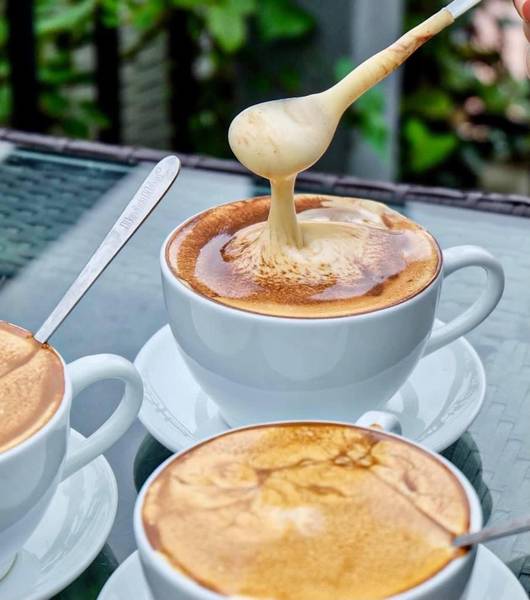
Created in Hanoi in the 1940s by Nguyễn Văn Giảng, a bartender at the Sofitel Legend Metropole who was experimenting with egg yolk as a substitute for scarce fresh milk. He beat egg yolk with sugar and condensed milk into a thick, pale foam and poured it over hot coffee. It became the house speciality at Café Giang, where it’s still served today.
The texture is somewhere between a latte and a custard — rich, sweet, and almost savory from the egg. You drink through the foam into the coffee underneath. Some people stir it; purists don’t. It’s always served hot, usually in a small cup sitting in a bowl of warm water to keep the temperature stable.
Café Giang in Hanoi’s Old Quarter is the original, but egg coffee has spread across the country. The Hanoi version tends to be denser; versions in Da Nang and Ho Chi Minh City are often lighter and sweeter. Worth trying in both cities to compare.
📍 Getting around Vietnam? Book trains and buses between cities at Baolau.vn — the easiest way to buy tickets in English.
4. Cà phê muối — Salt Coffee
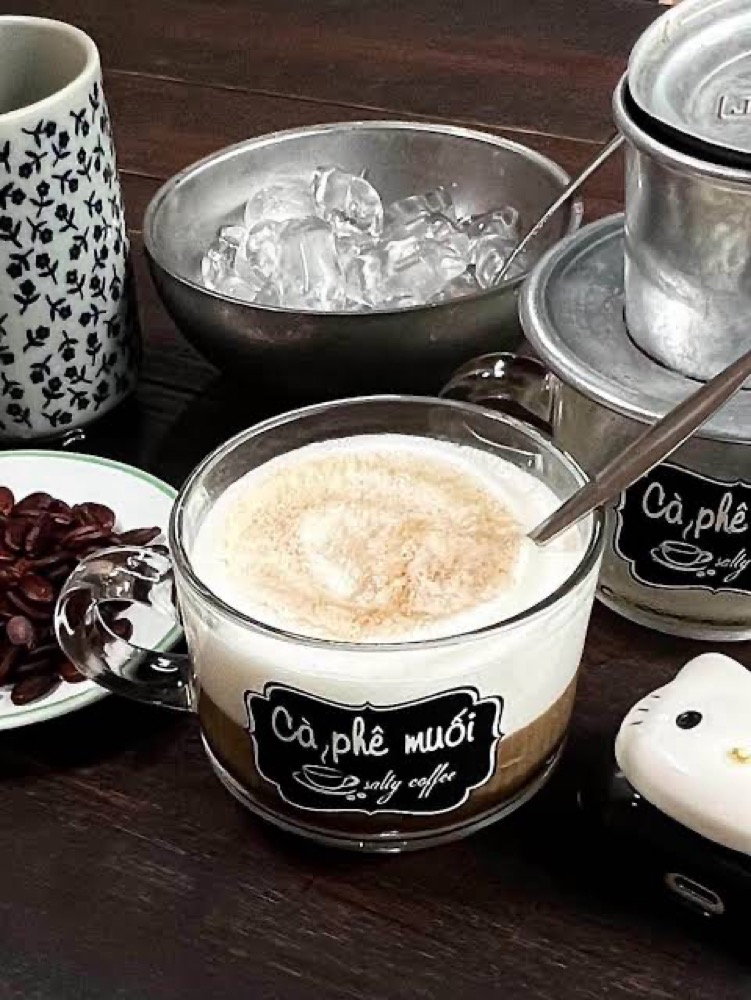
Salt coffee originated in Huế, and this is one that Hanoians and Saigonese will tell you they didn’t understand until they actually tried it. A layer of salted whipped cream — made from cream, condensed milk, and a small amount of salt — floats on top of strong coffee. The salt doesn’t make it taste salty; it cuts the bitterness and makes the sweetness land differently, in the same way salted caramel works.
The traditional Huế way: condensed milk at the bottom, coffee in the middle, salted cream on top. Scoop a little of the foam first to taste it alone, then stir to combine. The flavour changes as you drink down through the layers.
It’s now available all over Vietnam, but Huế is still where it’s made best. If you’re passing through on the way between Da Nang and Hội An, stop long enough for one.
5. Cà phê dừa — Coconut Coffee
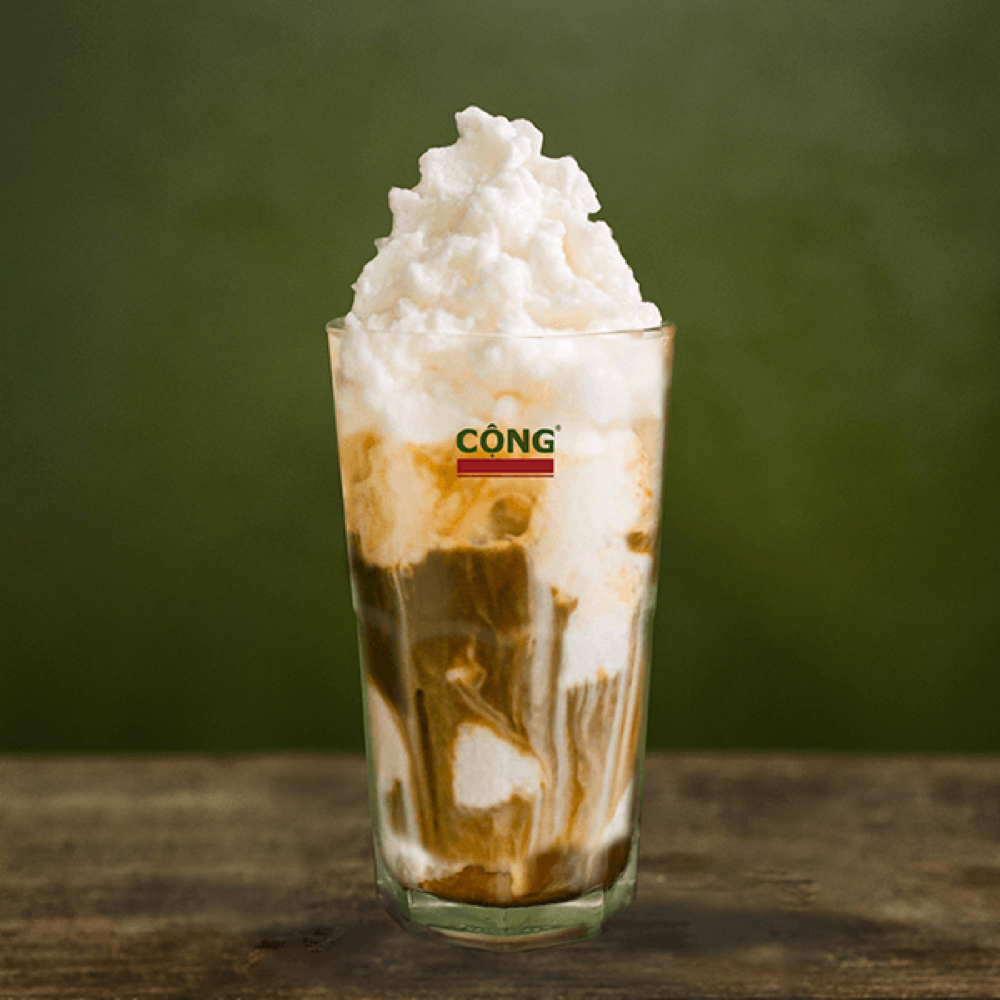
Originated in Hải Phòng but now found everywhere from Hội An cafés to convenience store cold cases. Strong coffee combined with coconut milk, condensed milk, and ice — either blended smooth like a thick milkshake or served with the coconut cream floating separately on top for you to mix in.
The blended version is the most popular and the easiest to drink: creamy, cold, tropical, and just sweet enough. Some places add shredded coconut flesh or a dusting of cocoa powder. The layered version lets you taste the coffee and cream separately before combining, which gives you more control over the sweetness.
In tourist areas it can be sweet to the point of dessert. Look for the version at local cafés rather than the ones on the main tourist strips — it’ll be less sweet and more coconut-forward.
6. Cà phê sữa chua — Yogurt Coffee
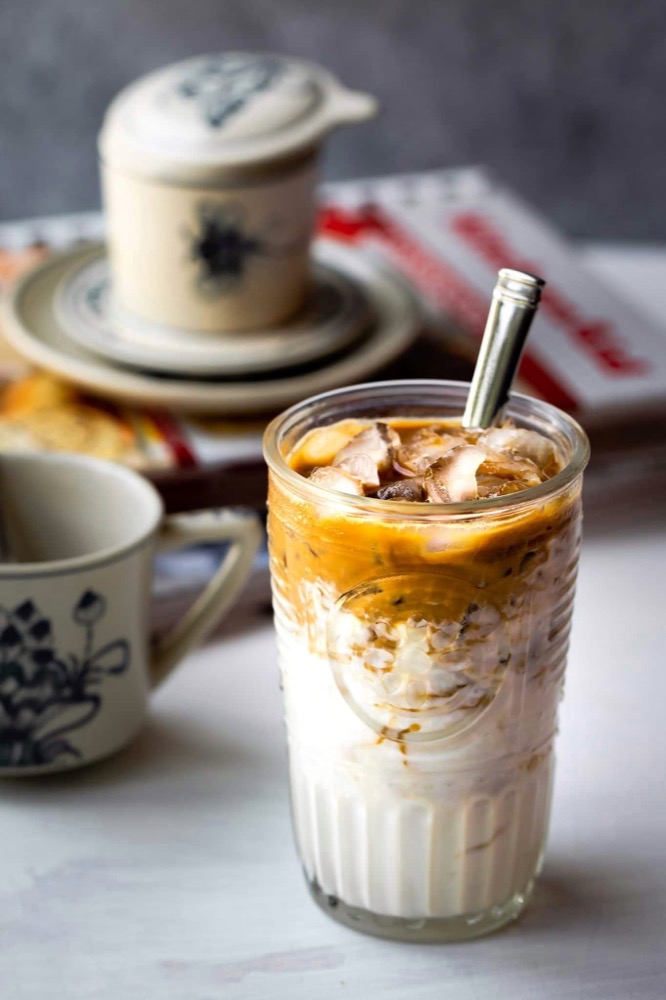
This one surprises people, including Vietnamese people who grew up in other regions. Vietnamese-style yogurt is made with sweetened condensed milk, giving it a silky texture and a mild tang that’s quite different from the sharp Greek yogurt most Westerners know. Spoon it over strong coffee or cold-brew, and the tang cuts through the bitterness in a way that’s genuinely refreshing.
It’s particularly popular in Hanoi, where you’ll find it at small neighbourhood cafés that haven’t changed their menu in twenty years. Order it iced: the yogurt half-melts into the coffee as you drink and the texture shifts from thick to creamy to almost liquid by the end. Worth ordering slowly.
7. Cà phê bơ — Avocado Coffee
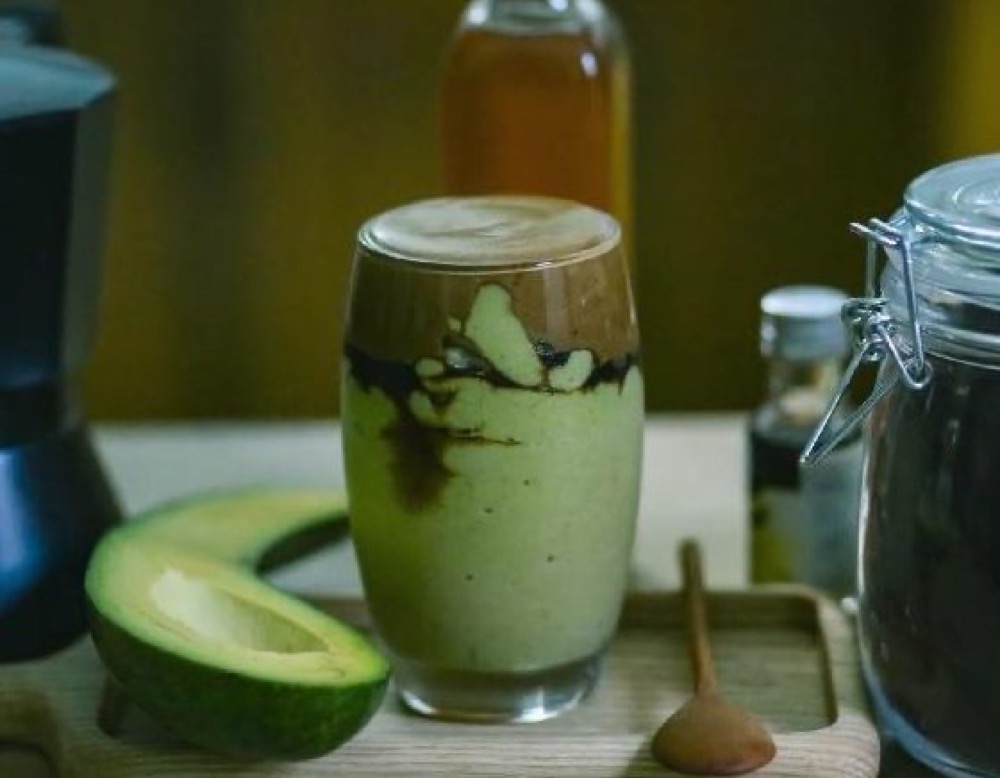
Ripe avocado blended with condensed milk until smooth, poured into a glass, topped with a shot of strong black coffee. It sounds improbable. It works because Vietnamese avocados — especially the ones from Đắk Lắk province in the Central Highlands, the same region that produces most of the country’s coffee — are rich and buttery with very little of the grassy flavour that makes avocado polarising in other contexts.
The result is closer to a coffee-spiked smoothie than anything else. The avocado gives it body and a natural creaminess; the coffee gives it depth and a slight bitterness to balance the sweetness of the condensed milk. More filling than most drinks on this list — some people treat it as a light breakfast.
It’s not yet on every café menu, but you’ll find it in Da Nang, Ho Chi Minh City, and anywhere with a young café crowd.
8. Cà phê chồn — Weasel Coffee
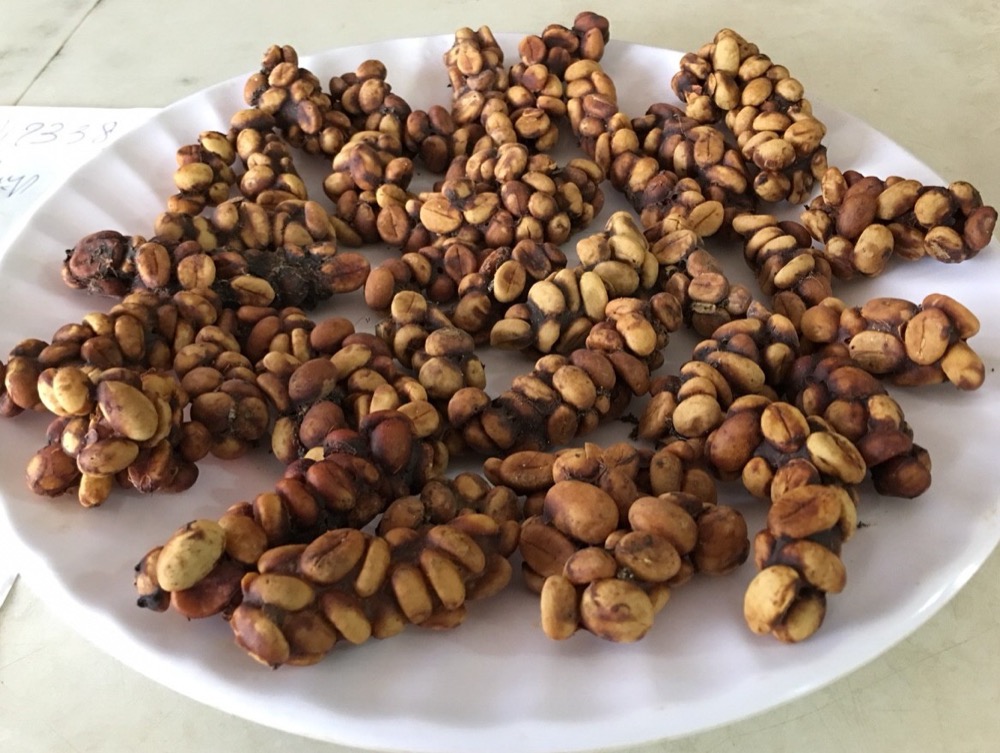
Vietnam’s version of kopi luwak. Coffee cherries eaten by civets (called chồn in Vietnamese), passed through their digestive system, collected, cleaned, and roasted. The fermentation process inside the civet’s stomach breaks down proteins in the bean and changes the flavour profile — less bitter, smoother, with a slight chocolate or caramel note depending on the roast.
The original wild-harvested version from the Central Highlands is rare and legitimately expensive. Most of what’s sold to tourists — especially the pre-packaged tins in souvenir shops — is regular coffee with a label. If you want to try the real thing, buy from a reputable roaster in Đà Lạt or Buôn Ma Thuột, where it’s produced, and expect to pay significantly more than you would for regular Vietnamese coffee.
Worth trying once for the experience. Whether it justifies the price is a personal call.
9. Bạc xỉu — White Coffee
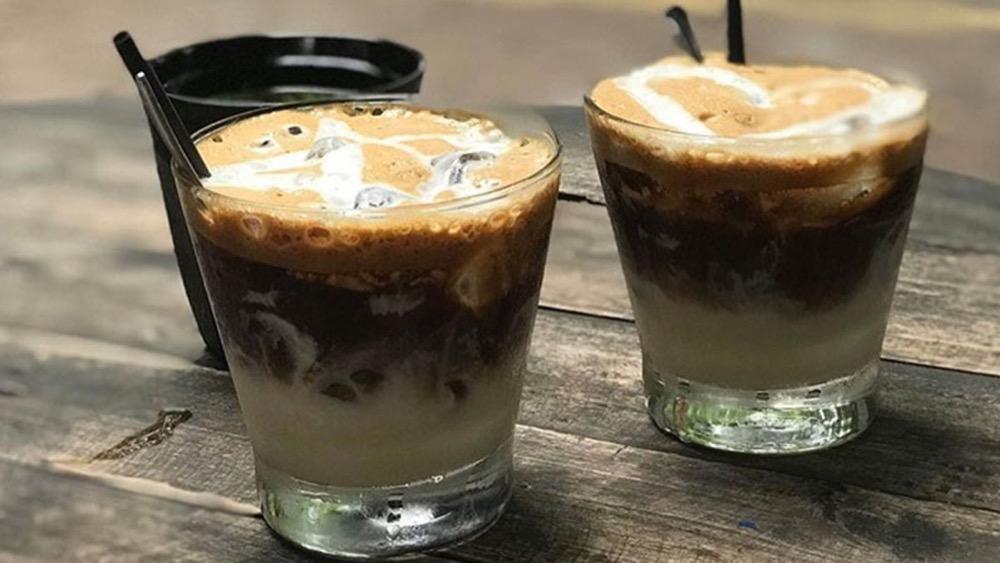
Bạc xỉu is the opposite of cà phê đen in every sense. The name comes from Cantonese and means roughly “a little bit of coffee” — which is exactly what it is. Mostly hot milk or condensed milk, with just a small amount of coffee added for colour and a gentle flavour. It’s sweet, mild, and much lower in caffeine than anything else on this list.
It’s particularly popular in Ho Chi Minh City, where the Chinese-Vietnamese community brought the drink and it took root in the city’s café culture. Children drink it. People who find regular Vietnamese coffee too strong drink it. It’s not taken less seriously for being mild — in Saigon it has its own loyal following and its own particular way of being made at certain long-running cafés that have been serving it the same way for decades.
Order it hot at a street stall in District 5 or District 1 in Ho Chi Minh City for the most authentic version.
What makes Vietnamese coffee different
Almost everything on this list is built on robusta beans, grown mostly in the Central Highlands provinces of Đắk Lắk, Lâm Đồng, and Gia Lai. Vietnam grows more robusta than almost anywhere else on earth. Robusta has roughly twice the caffeine of arabica, a heavier body, and a bolder, more bitter flavour that holds up well against condensed milk, cream, egg, and every other thing Vietnamese coffee culture has decided to add to it.
The phin filter — a small stainless steel drip filter that sits on top of the glass — is the standard brewing method. It’s slow, produces a concentrated brew, and doesn’t require any equipment beyond the filter itself and hot water. You’ll see them on every table at traditional Vietnamese cafés.
Robusta is also often roasted with butter, sugar, or occasionally vanilla in the Vietnamese style, which gives it a slightly caramelised, rounder flavour compared to the straight roasts you get with specialty arabica. That roasting style is part of what makes Vietnamese coffee taste the way it does even before anything is added to it.
Where to drink coffee in Vietnam
The best Vietnamese coffee is almost never in the most photogenic cafés. It’s at the plastic-stool places on the pavement, the neighbourhood spots with laminated menus and mismatched glasses, the family-run stalls that have been serving the same recipe since before you were born. These places don’t have Instagram accounts. They’re usually not hard to find — just look for where locals are actually sitting.
That said, Vietnam also has a thriving specialty coffee scene, particularly in Hanoi and Ho Chi Minh City, where third-wave roasters work with single-origin arabica from the highlands and take the craft seriously in a different way. Both traditions are worth exploring. They’re not in competition — they’re doing different things.
Browse and book tours with local licensed operators at tour.vietnam-guides.com

Tours & activities in Vietnam
Activity links above are affiliate or partner links.