
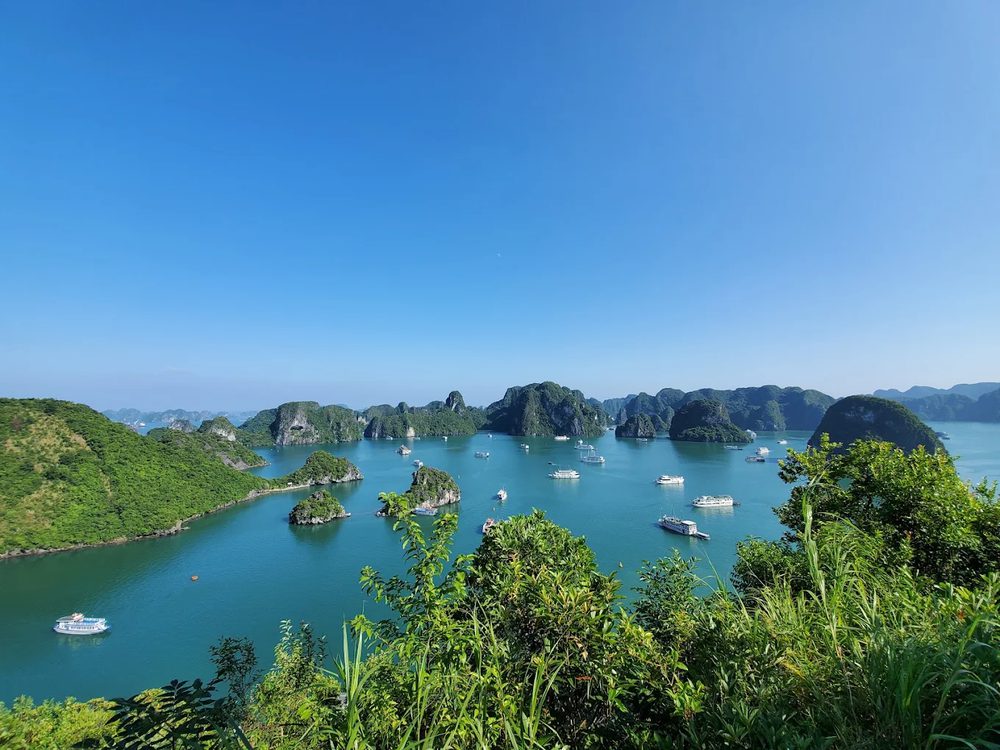
Vietnam in November (2026): Weather by Region and Where to Go
November offers the north’s best weather of the year, while central Vietnam remains at high risk of flooding as the south turns dry.
November offers the north’s best weather of the year, while central Vietnam remains at high risk of flooding as the south turns dry.

December brings a cold, misty north, a fully dry south, and central Vietnam settling down as its wet season winds to a close.
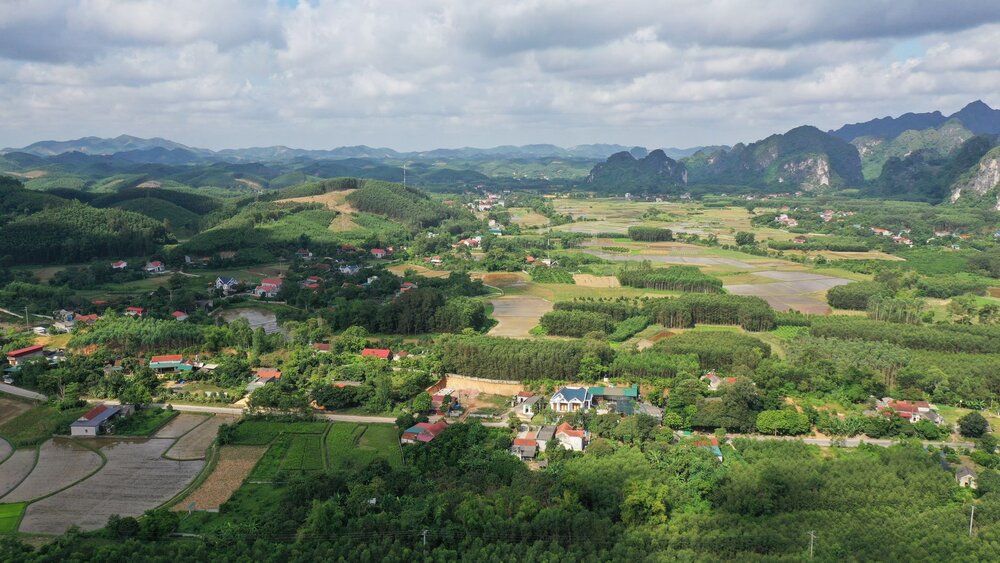
January brings cool, misty mornings and a quiet valley rhythm, ideal for slow homestay stays and fireside evenings with local families.
February combines cool, mild weather with the chance to witness Tet-season customs in a valley still largely untouched by mass tourism.
March offers pleasant, mild weather as the valley shakes off winter chill, making it a comfortable month for cycling and village walks.
April brings warm, mostly dry weather and lush green rice paddies, making it one of the best months for cycling around the valley.
May delivers vivid green rice paddies and warm days, though rising heat and the first monsoon showers begin to build toward summer.
June is firmly in the wet season, with regular afternoon downpours, but the valley’s rice paddies are lush and tourist numbers stay low.
July is Mai Chau’s wettest stretch, with near-daily rain, but the trade-off is deep green scenery and some of the year’s thinnest crowds.
August keeps the monsoon pattern going with frequent rain and heat, but rewards visitors with richly green valley views and few crowds.
September sees the monsoon rains start to ease and the first fields turn golden, marking the beginning of Mai Chau’s scenic harvest season.
October is Mai Chau’s signature month, with golden harvest rice fields, dry stable weather, and comfortable temperatures for exploring the valley.