
Mui Ne is a low-key beach town on Vietnam’s south-central coast, best known for the dramatic sand dunes rippling along its outskirts and the reliable coastal winds that have made it the country’s kite-surfing capital. It draws a different crowd than the party beaches further north — wind-sports enthusiasts, sun-seekers, and travellers looking for a quieter stretch of coast with good seafood and striking desert-like scenery just minutes from the water.
White Sand Dunes (Bau Trang)
The White Sand Dunes, known locally as Bau Trang, are a vast expanse of pale, wind-sculpted sand dunes that look more like the Sahara than coastal Vietnam. A freshwater lake sits at their edge, an unexpected contrast against the sand, and the dunes are large enough to lose the crowds if you walk beyond the entrance area. Sunrise and sunset are the best times to visit, when the light turns the sand gold and temperatures are bearable for walking or sandboarding.
Red Sand Dunes (Bau Do)
Closer to town, the Red Sand Dunes at Bau Do are smaller than their white counterpart but easier to reach, making them a popular quick stop for sunset. The rust-red sand shifts constantly with the wind, and local vendors rent plastic sleds for sandboarding down the slopes. It’s touristy and often crowded around sunset, but the colour and texture of the dunes against the sky make it a worthwhile short visit.
Fairy Spring (Suoi Tien)
Fairy Spring, or Suoi Tien, is a shallow stream that cuts through a canyon of eroded red and white sandstone formations, best explored barefoot by wading upstream through the ankle-to-knee-deep water. The walk winds past small waterfalls and sculpted cliffs carved by erosion, with a distinctive rock spire nicknamed “Fairy Tower” near the end. It’s a short, easy, and slightly surreal walk that feels far removed from the beach resorts just down the road.
Mui Ne Fishing Village & Ke Ga Lighthouse
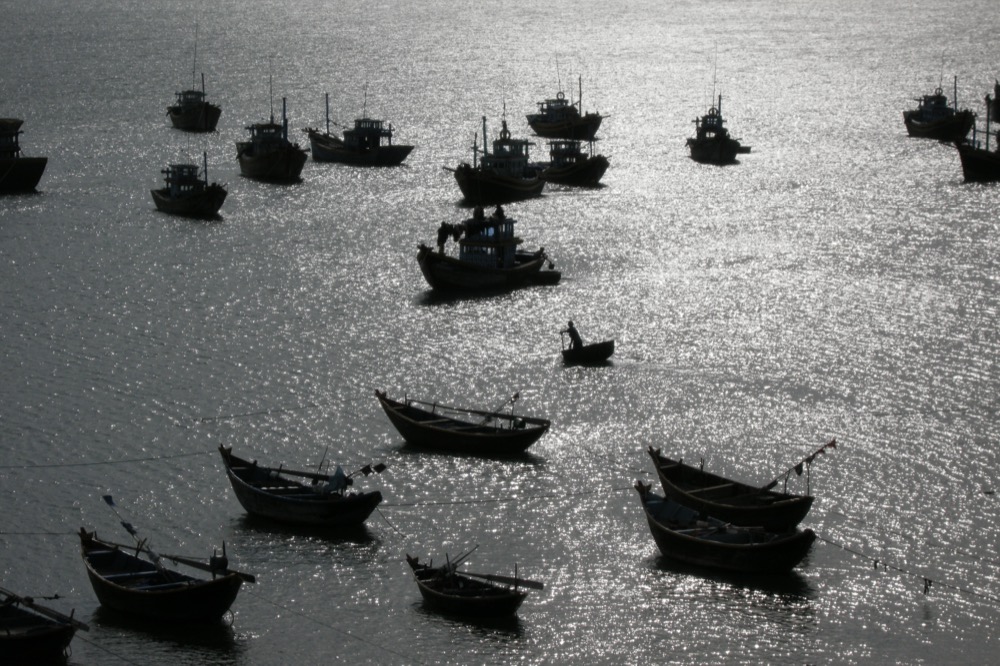
Mui Ne’s original fishing village is still active each morning, when round bamboo basket boats bob offshore and the day’s catch comes in along the beach — a good early start for photographers and anyone curious about the town’s roots before tourism arrived. Further south, Ke Ga Lighthouse stands on a small islet just offshore, reachable by a short boat ride, and is often cited as one of the oldest lighthouses in Southeast Asia, with views back along the coast.
Food & Night Market
Mui Ne’s seafood is a highlight, with beachfront restaurants grilling the day’s catch and serving it alongside classic Vietnamese sides. The Phan Thiet Night Market, in the nearby city of Phan Thiet, is the best spot for an evening food crawl, with stalls selling grilled seafood, noodle dishes, and local snacks at a fraction of resort prices. Fish sauce production is a Phan Thiet specialty, and the region’s seafood-forward cooking reflects the strength of the local fishing industry.
Kitesurfing & Water Sports
Mui Ne’s steady, strong winds — particularly from November to April — have made it Vietnam’s premier destination for kitesurfing and windsurfing, with several schools along the beach offering lessons for beginners and equipment rental for experienced riders. The long, open beach and consistent conditions attract a dedicated community of wind-sports travellers who return year after year. Outside the main wind season, the water sports scene quiets considerably, though the beach remains pleasant for swimming and relaxing.
Best Time to Visit
Planning a trip to Mui Ne? We arrange private guided tours — day trips, multi-day itineraries, and custom routes.
The best window is November to April, the dry season, which also brings Mui Ne’s strongest and most consistent winds for kitesurfing. Temperatures stay warm year-round, generally in the high 20s to low 30s°C. May to October is wetter and calmer, with lighter winds that suit sunbathing and sightseeing better than water sports. Sand dune visits are best planned for early morning or late afternoon to avoid both the midday heat and harsh overhead light.
Getting There
Mui Ne sits about 4-5 hours by road from Ho Chi Minh City, a popular sleeper bus and open-tour bus route, or roughly 4 hours by train to Phan Thiet followed by a short taxi transfer. The nearest airport with growing connections is Phan Thiet’s Phan Thiet International Airport, though most travellers still arrive overland from HCMC or en route between the city and Da Lat or Nha Trang.
Where to Stay
Mui Ne’s accommodation strings along a single beachfront road, with resorts and guesthouses facing the sea on one side and restaurants on the other. Travellers focused on kitesurfing tend to base themselves near the main wind-sports beach for easy equipment access, while those prioritising the dunes and Fairy Spring may prefer staying closer to the quieter eastern end of town, nearer those sights.
Practical Tips
Visit the sand dunes at sunrise or sunset to avoid scorching midday sand underfoot. Wear clothes you don’t mind getting wet and sandy for Fairy Spring, and expect to walk barefoot through the stream. Negotiate sandboard rental prices at the dunes before using them, as informal vendors often quote inflated rates. If kitesurfing, book lessons with an established school, as conditions and currents can be trickier for beginners than they first appear.