
Should I take a sleeper bus in Vietnam?
It’s probably one of the questions I get asked most often.
My answer is almost always the same: at least once.
Whether you love it or hate it, a sleeper bus is part of the Vietnam travel experience. It’s how millions of Vietnamese travel between cities every year — and increasingly, it’s one of those experiences international travellers remember long after they’ve gone home.
The biggest reason is practical. Vietnam is a long, narrow country. Instead of losing a full day travelling between Hanoi and Ninh Binh, Hoi An and Ho Chi Minh City, or HCMC and Da Lat, you board a bus in the evening and wake up at your next destination. You save both travel time and the cost of a night’s accommodation — which is why sleeper buses remain one of the most popular ways to move around the country.
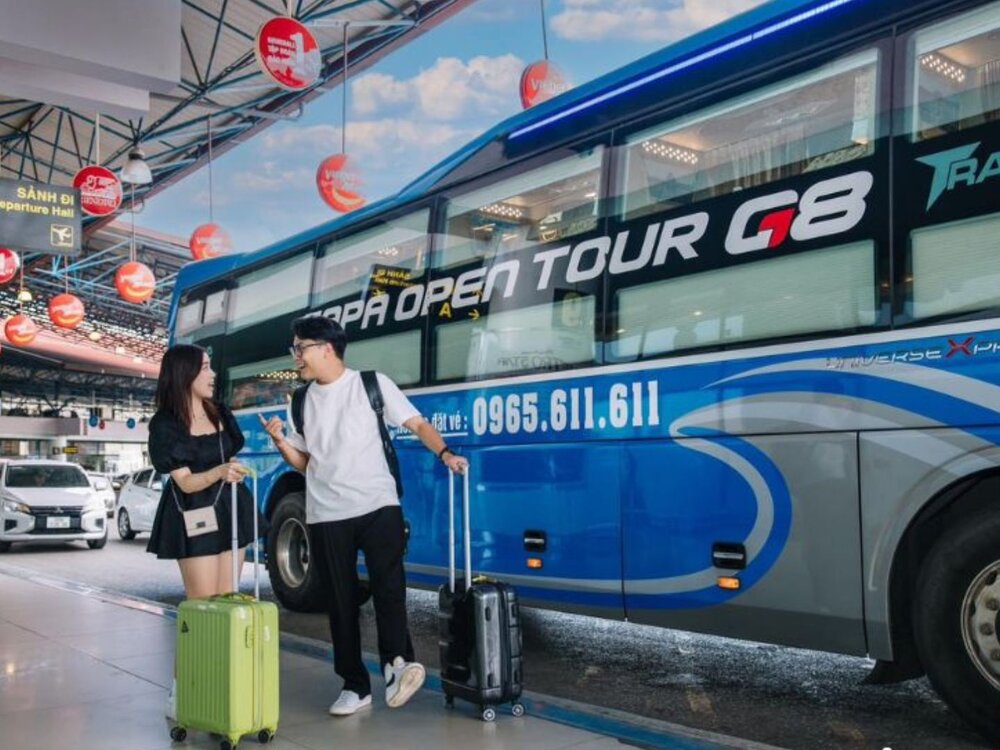
Economy sleeper buses
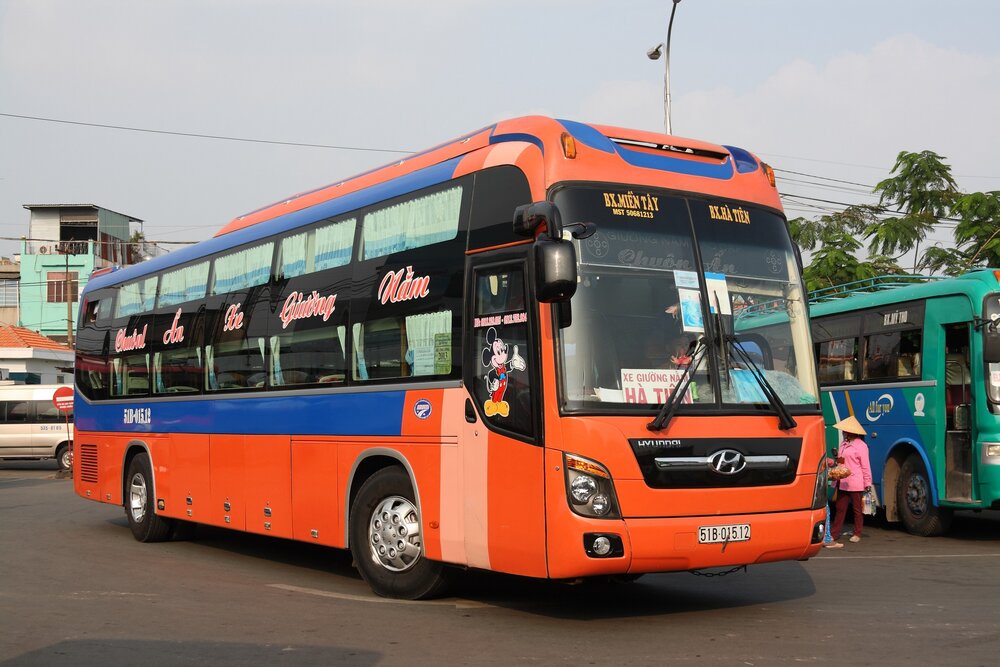
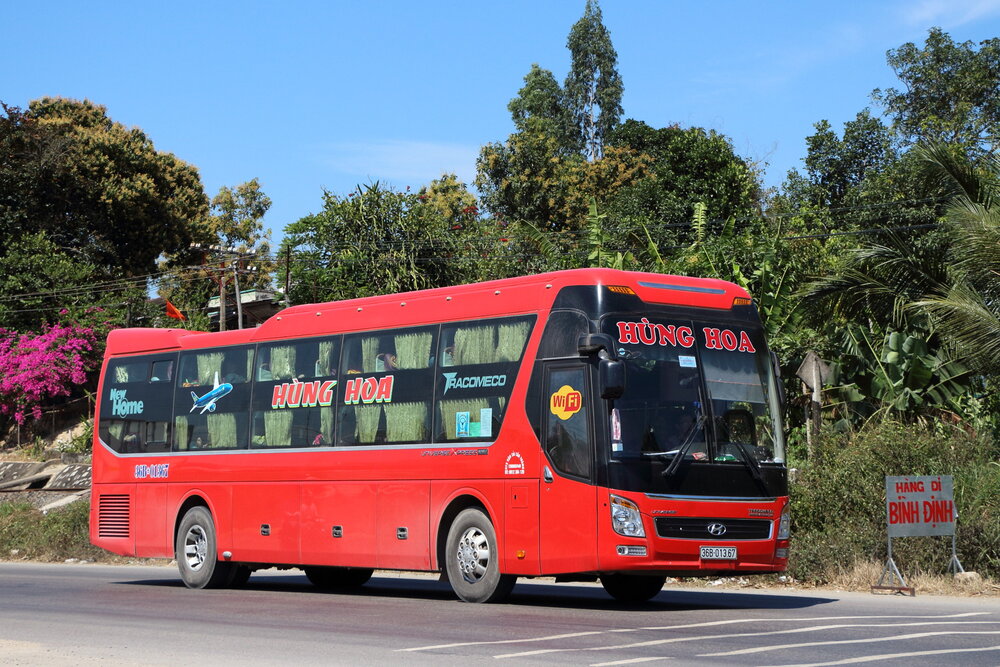
This is the one most people picture when they think of a Vietnam sleeper bus. Usually three rows of bunk-style beds stacked over two levels — either 32, 34 or 44 beds depending on the model. They’re affordable, widely available and surprisingly comfortable for most people.
The catch? If you’re taller than about 180 cm (6 ft), you’re unlikely to stretch out fully. The beds were designed around the average Vietnamese passenger, so taller travellers often end up sleeping with knees slightly bent.
Basics are usually included: a thin pillow, a blanket, drinking water, and most newer buses have USB charging ports at each berth. Prices typically run VND 250,000–300,000 (roughly $10–12 USD) — Ho Chi Minh City to Da Lat, for example, is around VND 280,000 for an 8-hour overnight run.
Cabin (VIP) sleeper buses
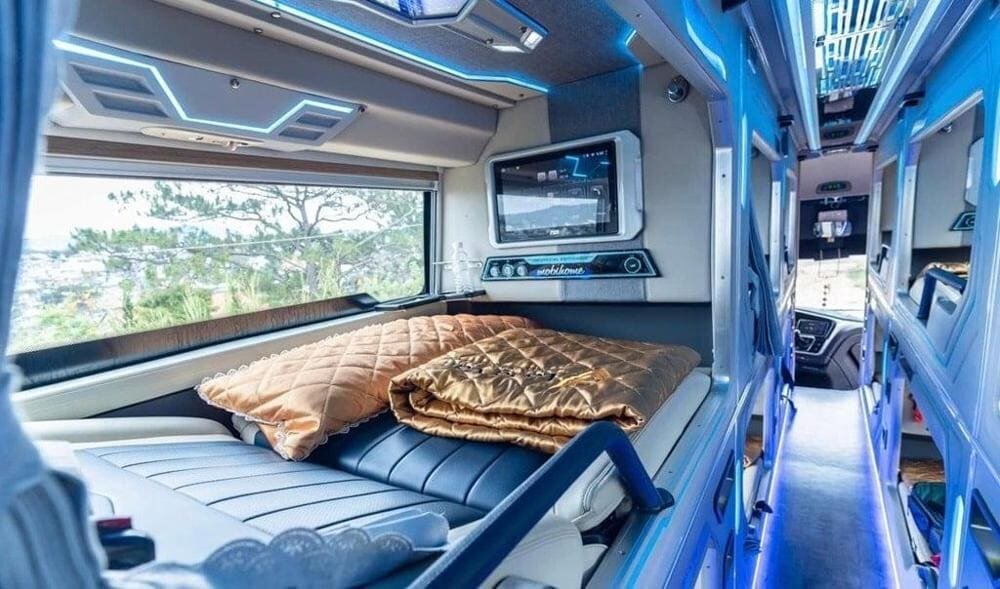
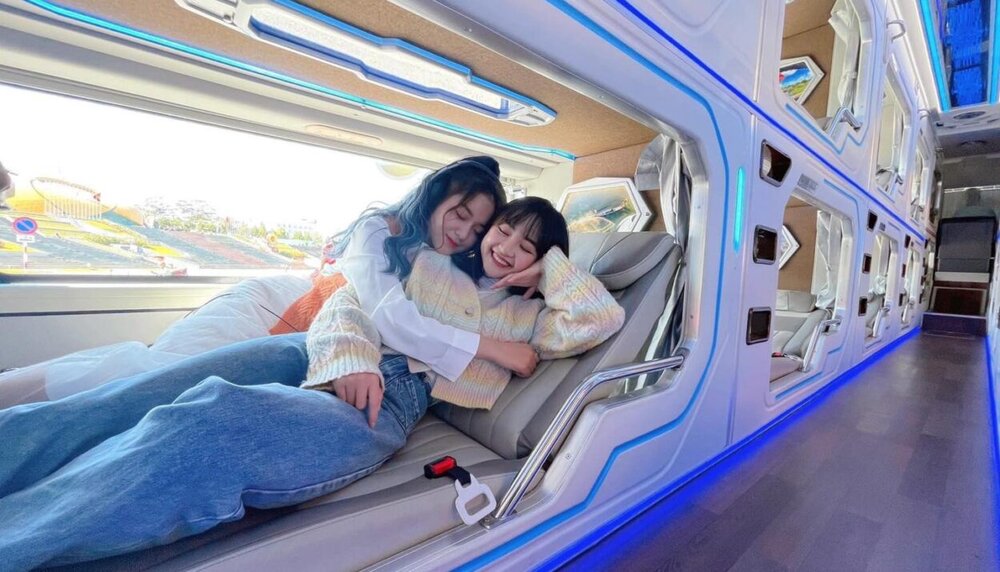
For a step up in comfort, cabin buses have become popular over the last few years. Instead of open bunks, each passenger gets their own enclosed pod — a curtain or sliding door, charging ports, TV screen, and often a massage-function mattress. Some operators have added onboard toilets, though that’s still the exception.
The trade-off is headroom: cabins suit passengers up to around 170 cm per berth, and they fit two adults per cabin. Prices run VND 550,000–750,000 per cabin, and many operators include door-to-door pickup and drop-off. If you’re travelling overnight and value privacy, the extra cost is usually worth it.
On the road: what to expect
Most sleeper buses don’t have toilets. Drivers stop every two to three hours at roadside service areas — enough time to use the bathroom and grab food — so it’s rarely a serious problem, but worth knowing before you board.
Safety is the other question that comes up a lot. Not all operators are equal. Some have solid safety records and professional drivers; others are known for speeding or stopping frequently to pick up extra passengers. A slightly cheaper ticket isn’t always the best deal. Sticking with a reputable company — Futa Bus Lines, Hoang Long, Camel Travel, or the major Vexere-listed operators — makes a real difference.
When a sleeper bus is not the right call
For trips under 100 km, skip it. Vietnam has comfortable minibuses and limousine vans (9 to 28 seats, plush reclining seats, charging outlets, individual TVs) that are quicker and better suited to short routes, typically VND 100,000–200,000. There’s no need to book a full sleeper bus for a 90-minute journey.
Booking tips
- Book 2–3 days ahead, especially on popular routes like HCMC–Da Lat or Hanoi–Sapa, where seats fill up fast on weekends and public holidays.
- Always confirm which type you’re booking — economy and cabin buses are sold side by side on most platforms and the difference isn’t always obvious from the listing title.
- Vexere is the most widely used booking platform for domestic bus travel, with English-language support and seat maps for most routes.
Is it worth it?
Absolutely — though not because it’s luxurious, and not because you’ll necessarily get your best night’s sleep.
It’s worth it because of the experience itself. You climb aboard in one city, watch the lights fade through the window, drift in and out of sleep, stop at a roadside café somewhere in the middle of the night, and wake up somewhere entirely different. Efficient, affordable, and a little chaotic at times.
In other words — it’s all part of travelling in Vietnam.
Have you taken a sleeper bus here? Drop a comment below — whether it was one of your favourite travel memories or one you’d rather forget.
Tours & activities in Vietnam
Activity links above are affiliate or partner links.