Updated October 2026
Thinking about bringing your drone to Vietnam? The rules are strict — and largely unfavorable for foreign visitors. Here is everything you need to know before you pack your drone.

The 250g Weight Threshold
Vietnam classifies drones by weight, and the 250g mark is the most important threshold for travellers. A recreational drone under 250g may be exempt from needing a flight permit, provided it is operated outside restricted or prohibited areas. Drones at 250g and above require a permit for every flight. Sub-250g models such as the Mini 4 Pro fall under the exemption; Air and Mavic series need a permit.
Even with a sub-250g drone, you may still need to notify local authorities if the flight could affect aviation or military activity. The exemption is a threshold, not a green light.
Key Regulations and Requirements
- Import restrictions: You cannot bring drones into Vietnam via airplane without a license from the Ministry of Defense. Customs will confiscate any drone found in luggage upon entry. (See what customs checks on arrival.)
- Flying permission: Drone use is permitted in Vietnam, but operators must obtain a flying license from the Defense Ministry for each flight location. The license is only valid for a specific location and time.
- Foreigner limitations: The government does not currently issue drone licenses to foreign visitors directly. Foreign travellers must have a Vietnamese sponsor or guarantor — an organisation or Vietnamese individual — who applies for permission and must be present during flights.
- Application process: Submit the application through the National Public Service Portal and the military operations authority at No.1 Nguyen Tri Phuong, Ba Dinh District, Hanoi (Tel: 069 533200 / 069 533105). Processing takes at least 7 working days; if the operation requires a NOTAM (aviation notice to other aircraft), apply at least 12 working days in advance.
- What to prepare: Operator identity, drone specifications and photos, flight area coordinates, purpose of flight, and intended dates.
- Costs and approval: Licensing fees vary by location and duration. Authorities primarily approve applications from companies filming commercial work; individual tourist requests face stricter requirements.
Official No-Fly Zone Map
Vietnam publishes official no-fly and restricted flight areas through a government map portal at cambay.mod.gov.vn, run by the Ministry of National Defence. Launched in June 2025, the map lets you search by location or province, view prohibited and restricted zones, draw coordinates to check a planned flight area, and see altitude limits.
Before any flight, check this map first. Some restricted coordinates are not openly published — the official portal or permit application process is the only reliable way to confirm whether a location is allowed. If the site is inaccessible, verify through official channels before flying.
Where You Cannot Fly
Certain locations are prohibited regardless of permit status:
- Airports and surrounding zones
- Border regions — northern Vietnam’s border areas are especially sensitive; many require special permission
- Military installations
- Government buildings and critical infrastructure
From 1 July 2026, illegal drone use at airports and adjacent areas is explicitly treated as a prohibited aviation act under amended civil aviation law, with stronger enforcement than before.
Altitude Rules
Permits define altitude limits case by case, but practical thresholds apply across the country:
- Flights at 50m or higher may require advance coordination with authorities
- Restricted airspace around sensitive zones typically limits operations to 120m or below
- Flights above 200m may require additional monitoring conditions
Never exceed the altitude specified in your permit.
Fines for Violations
Vietnam enforces drone rules through administrative fines under Decree 282/2025/ND-CP (amended in September 2026). Fines range from several million to tens of millions of VND depending on the breach:
- Minor breaches, such as flying an unregistered drone or outside your permitted time or area: from about 2 million VND (around $80)
- Filming or photographing restricted security or defence areas, or flying against your permit conditions: several million to around 10 million VND
- Flying with no permit at all, or endangering other aircraft: up to tens of millions of VND (roughly $800–$1,600), plus confiscation
Authorities can also confiscate equipment. These are administrative penalties; in sensitive locations near military zones or borders, consequences can be more serious.
Battery Rules for Air Travel
- Lithium batteries up to 100Wh are permitted as carry-on
- 100–160Wh requires declaration with a maximum of two spare batteries
- Batteries exceeding 160Wh are prohibited as passenger baggage
Exporting Drones Purchased in Vietnam
Drones purchased inside Vietnam can generally be taken out of the country with purchase receipts, though your home country’s import regulations will apply.
2026 Regulatory Changes
Vietnam rebuilt its drone rules under the 2024 Law on People’s Air Defence, which took effect on 1 July 2025. Decree 288/2025/ND-CP, issued in November 2025, requires drones to be registered before use and exempts drones under 250g from the flight permit when flown outside prohibited and restricted zones. From 1 July 2026, pilots of drones from 250g also need an operator certificate and must register each flight’s area, time window and route.
From 20 July 2026, Circular 78/2026/TT-BCA gives every registered drone a licence-plate-style ID code and requires a flight-tracking device, with registration handled by the police. Civil aviation changes from the same month also make drone use at or near airports an explicitly prohibited aviation act.
Short-stay tourists still cannot apply alone and need a Vietnamese sponsor. Expats with a temporary or permanent residence card should ask their provincial police whether they can register a drone in their own name.
Practical Advice
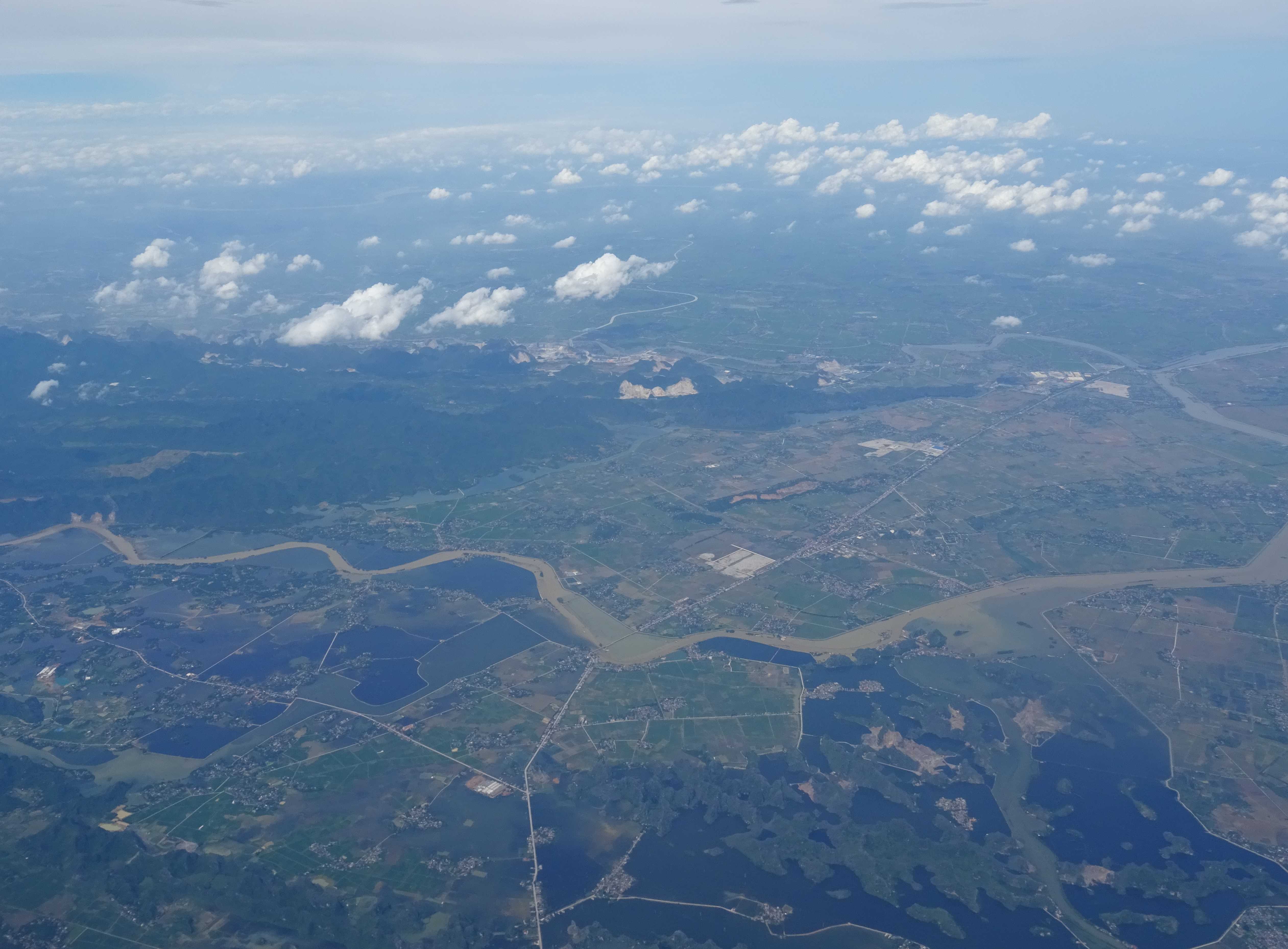
For most tourists, the simplest advice is: leave the drone at home. The import restrictions alone mean you risk confiscation at customs before you even board your first flight in-country. If drone footage is essential — for a documentary, commercial project, or professional travel work — engage a licensed Vietnamese videography company who can handle the sponsorship, permit application, and be present during flights. They know the process and can navigate local authority contacts.
If you are committed to flying and travelling with a sub-250g drone, check cambay.mod.gov.vn for your specific locations before departure, stay well clear of any border regions, airports, and military areas, and carry all drone documentation and purchase receipts. The 250g exemption reduces (but does not eliminate) bureaucratic risk.
Planning the rest of your shoot? See the best aerial photo spots in our photography guide, and the best apps for Vietnam travel for maps and weather.
Frequently asked questions
Can I fly a DJI Mini in Vietnam?
Sub-250g models are exempt from the flight permit outside restricted and prohibited zones, but registration rules still apply and many tourist areas sit inside restricted zones. Check cambay.mod.gov.vn first.
Can I bring a drone through customs?
Not without a licence from the Ministry of Defence. Customs will confiscate any drone found in luggage without one, so carry your permit, receipts and specs.
Can a tourist get a drone permit?
Not directly. A Vietnamese company or individual must sponsor the application, which takes at least 7 working days (12+ if a NOTAM is needed).
Can expats register a drone?
Since 20 July 2026, drones are registered with the police under Circular 78/2026/TT-BCA. Residence-card holders should check with their provincial police whether they can register in their own name.
Tours & activities in Vietnam
Activity links above are affiliate or partner links.