
Vietnam is one of the most photogenic countries in Southeast Asia — the karst limestone formations of Ha Long Bay and Ninh Binh, the lantern-lit streets of Hoi An Ancient Town, the golden rice terrace harvest of Mu Cang Chai, the misty cloud sea of Ta Xua, the floating markets of the Mekong Delta, and the street life of Hanoi and Ho Chi Minh City all offer photographic subjects that are genuinely world-class. The country is also physically diverse enough that a north-to-south journey gives a complete range of landscape, portrait, architectural, and street photography in a single trip. This guide covers the best photography destinations, the right seasons, and the practical tips that make the difference between a good shot and a great one.
Best Photography Destinations
Hoi An Ancient Town: Lanterns & Architecture
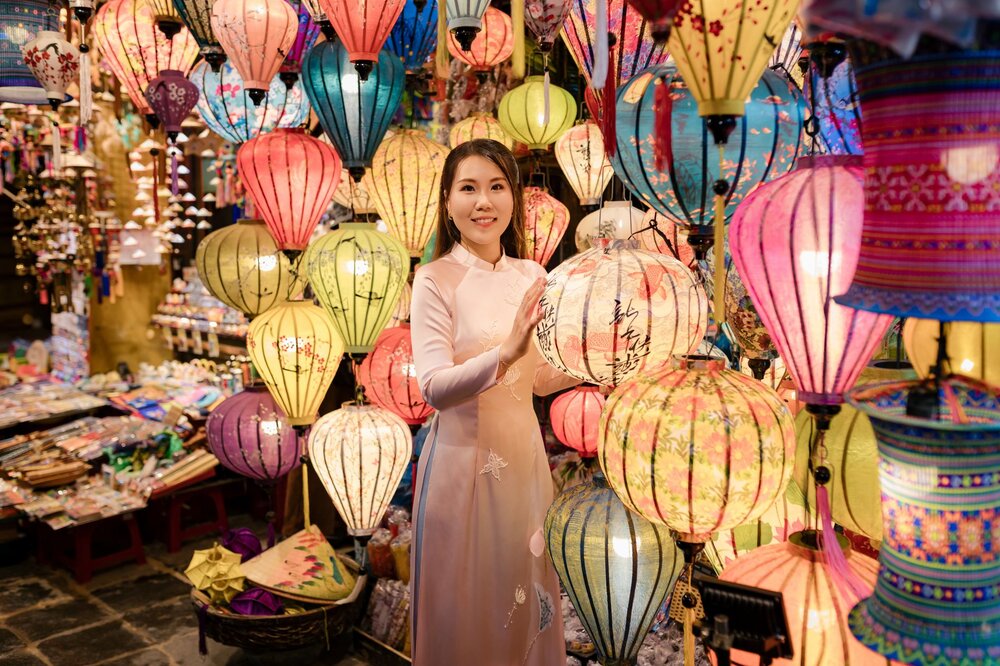
Hoi An is Vietnam’s most consistently photogenic city — the 15th–19th century shop-house architecture, the yellow-washed walls, the Hoai River reflections, and the thousands of coloured silk lanterns that hang across every street give the ancient town an almost absurdly photogenic quality. The key shots require timing: the lantern streets (Nguyen Thai Hoc, Tran Phu) are best photographed just after sunset when the ambient light and the lantern light balance and before the streets fill with tourists (arrive at 6 PM). The Full Moon Lantern Festival (14th of each lunar month) turns off all electric lights in the ancient town — paper lanterns are released on the river and the streets are lit entirely by candle; the best photography event in central Vietnam.
Mu Cang Chai: Golden Harvest Terraces
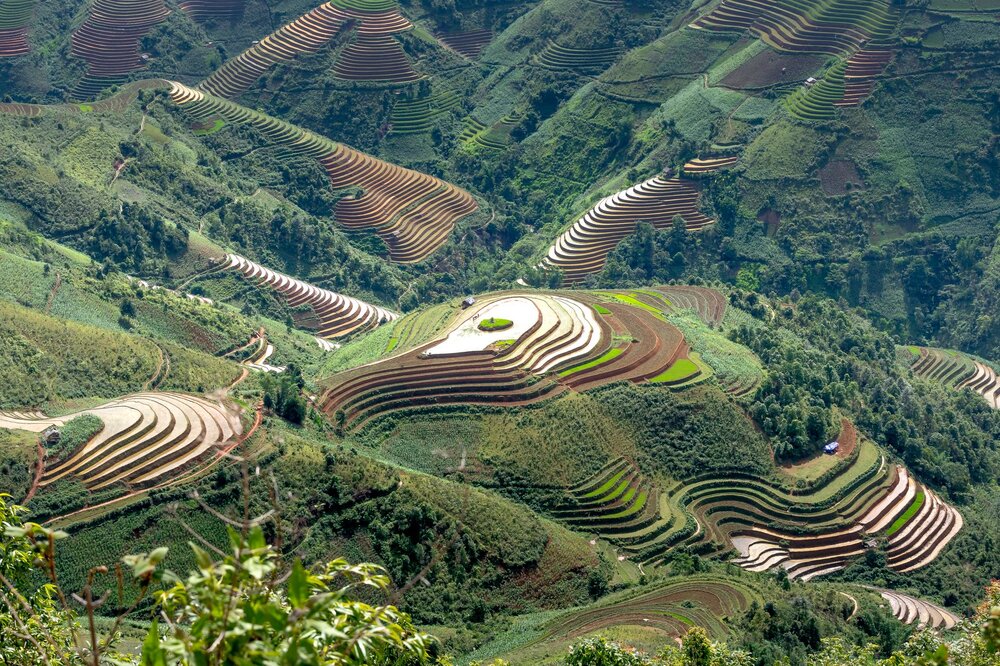
Mu Cang Chai in late September to early October is Vietnam’s most celebrated photography destination — 2,000 hectares of rice terraces turning from green to gold in the harvest season, with the La Pan Tan hillside viewpoint and the Che Cu Nha stepped fields providing the two most famous compositions. The photography window is tight (2–3 weeks), the best light is at sunrise and sunset (the low-angle light gives the terrace walls their depth and the rice its warmest gold), and the early morning before 8 AM is the only time the main viewpoints are quiet. A telephoto lens (70–200mm equivalent) is as useful as a wide-angle for isolating the terrace geometry; drone photography requires a permit and advance arrangement with local authorities.
Ha Long Bay: Karst & Light
Ha Long Bay’s 1,600 karst limestone islands give a landscape that is both visually extraordinary and technically challenging to photograph well — the sheer density of vertical forms, the flat grey water between them, and the frequent haze require specific conditions and timing to produce compelling images. The best Ha Long Bay photography is at sunrise from the boat deck (the gold light on the karst towers, the mist on the water) and at dusk from Ti Top Island’s summit viewpoint (the panoramic view over the bay in the evening light). Two-day cruises give significantly better photography opportunities than day trips — the sunset and sunrise aboard the boat are the defining light conditions.

Ninh Binh: Karst Valleys & Boat Photography
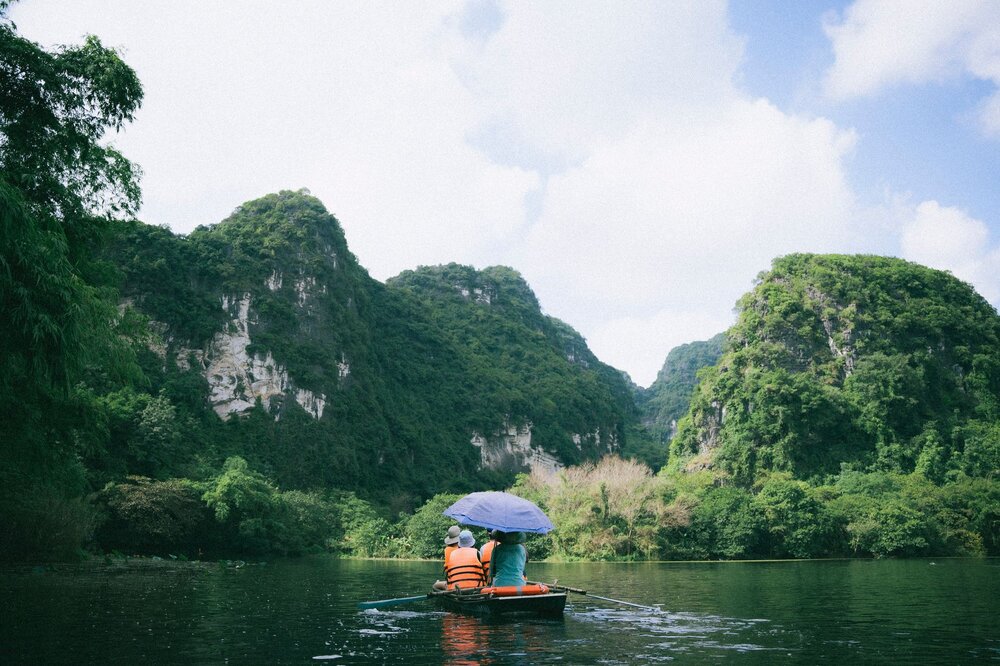
Ninh Binh offers a less-visited but equally photogenic karst landscape accessible from Hanoi (2 hours by road). The Tam Coc boat journey — a 2-hour sampan ride through three cave tunnels in the rice-paddy karst valley — is one of the best boat photography routes in northern Vietnam; the low angle of a sampan gives a compressed perspective of the karst towers rising from the paddy fields that is unique to this type of transport. Mua Cave’s 500-step climb gives the classic panoramic viewpoint over the Tam Coc valley; the Trang An grottoes (a UNESCO Heritage landscape) has a longer, more varied boat circuit with better light management in the afternoon.
Photography Tips for Vietnam
- Golden hour is everything: Vietnam’s hazy midday light is flat and unflattering for landscape photography; the 6–8 AM and 4:30–6:30 PM windows are when the country’s landscapes look their best — plan every key shot around these windows
- Portraits and permission: Always ask before photographing people — a smile and a gesture toward the camera is understood everywhere; paying for portraits is your judgement call but avoid creating a culture of payment-expectation in communities that don’t yet have it
- Rain and mist are assets: The post-rain clearing in the northern highlands (Sapa, Ha Giang, Ta Xua) often produces the most dramatic light and the best mist conditions — don’t shelter from rain, position yourself for the clearing
- Hoi An timing: The ancient town is most photogenic in the 45 minutes after sunset and on Full Moon nights; the midday crowds and flat light of peak visiting hours produce generic shots — go early morning (6–7 AM) or evening
- Drone permits: Drone photography is technically regulated in Vietnam — permits are required near military areas, airports, and government buildings; Mu Cang Chai, Ha Giang, and Ha Long Bay all have specific regulations; engage a local tour operator to handle the permit if you plan to fly commercially
- Protect your gear: Humidity above 85% and sudden rain are the two main risks to camera equipment — a waterproof dry bag, silica gel sachets in your camera bag, and a quality waterproof cover for your longest lens are essential for the wet season and the rainy highland months
Tours & activities in Vietnam
Activity links above are affiliate or partner links.