
Ta Van Village
A Giay, H'mong, and Red Dao village just 1km south of Sapa, with terraced fields, forest streams, and regional dishes like grilled stream fish.
Overview
Ta Van is one of the closest villages to Sapa town, just 1 km south within Muong Hoa Valley, home to Giay, H’mong, and Red Dao families farming the surrounding terraces and forest streams. It's a good stop for trying regional dishes — grilled stream fish, five-colour sticky rice, and thang co stew — alongside a walk through the fields.
Entry: around 75,000 VND adult, 50,000 VND child.
Get There
Ta Van is 11 km from Sapa town centre, in Ta Van Commune, Sapa District, Lao Cai Province.
- By motorbike: The most popular option — follow the road south from Sapa toward Lao Chai, then continue down into the valley to Ta Van. The winding descent through the terraces is part of the experience. Takes 25–35 minutes.
- By car or taxi: Straightforward via the same route. A round trip from Sapa with waiting time costs approximately 300,000–400,000 VND.
- On foot / trekking: Ta Van is the endpoint of the classic Sapa valley trek via Cat Cat and Lao Chai. The full walk from Sapa takes 3–4 hours depending on pace. Most trekkers arrange a vehicle back to town.
Hotels
Hotel recommendations coming soon.
🏨 Search hotels & guesthouses — Booking.comOther
History
The Giay people have inhabited Ta Van for more than three centuries. Local accounts say the San family arrived first, followed by the Vang and Lu families. The village name comes from "Muong Va," meaning "arm span" in the local dialect. A hilltop called pom mo da tay preserves the memory of earlier Tay ethnic residents, though the Giay now form the primary population alongside smaller Hmong and Red Dao communities.
What to See
- Terraced rice fields: The landscape transforms with the seasons — flooded paddies reflect the sky like mirrors in spring, turn vivid green through summer, and glow gold at harvest time (September–October)
- May Bridge (Cloud Bridge): A traditional suspension bridge built from thin wooden slats and forest rope spanning the Muong Hoa Stream — the most photographed spot in the village. Take care crossing in wet weather
- Giay wooden houses: Some of the traditional stilt houses are nearly a century old, built in the characteristic Giay style. Homestay hosts often invite visitors in for corn wine and stories by the fire
- Ethnic dress: Traditional clothing of all three communities can be hired for photos around the village
Activities
- Trekking through the valley between Ta Van, Lao Chai, and Giang Ta Chai villages
- Homestay with a Giay family — the best way to experience the food, daily life, and hospitality of the village
- Photography — the valley light at dawn and dusk is exceptional, especially during rice season
- Sampling local food: five-colour glutinous rice, steamed river fish, thắng cố (horse meat stew), and frog with bamboo shoots
Tips
- Visit on a weekday to avoid weekend crowds from Sapa town
- Book homestays in advance during peak trekking season (September–October and March–May)
- Bring warm layers for evening and early morning even in summer — the valley sits at altitude
- Ta Van is easily combined with Lao Chai Village (15 min walk) on the same day
- The May Bridge is slippery in rain — cross carefully
Best Time to Visit
- September – October: Rice harvest — golden terraces at their most spectacular
- March – May: Water season — flooded paddies reflecting the sky, fresh green hillsides
- November – January: Quiet trekking season; peach blossoms appear in late January around Tết
- June – August: Lush green rice growing; warm days but possible afternoon rain
More attractions in Sapa
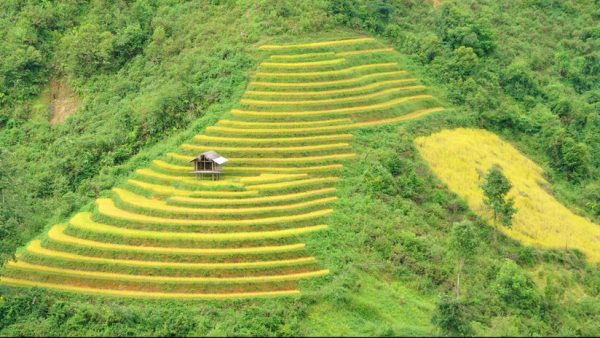
Mu Cang Chai & Y Ty Terraces
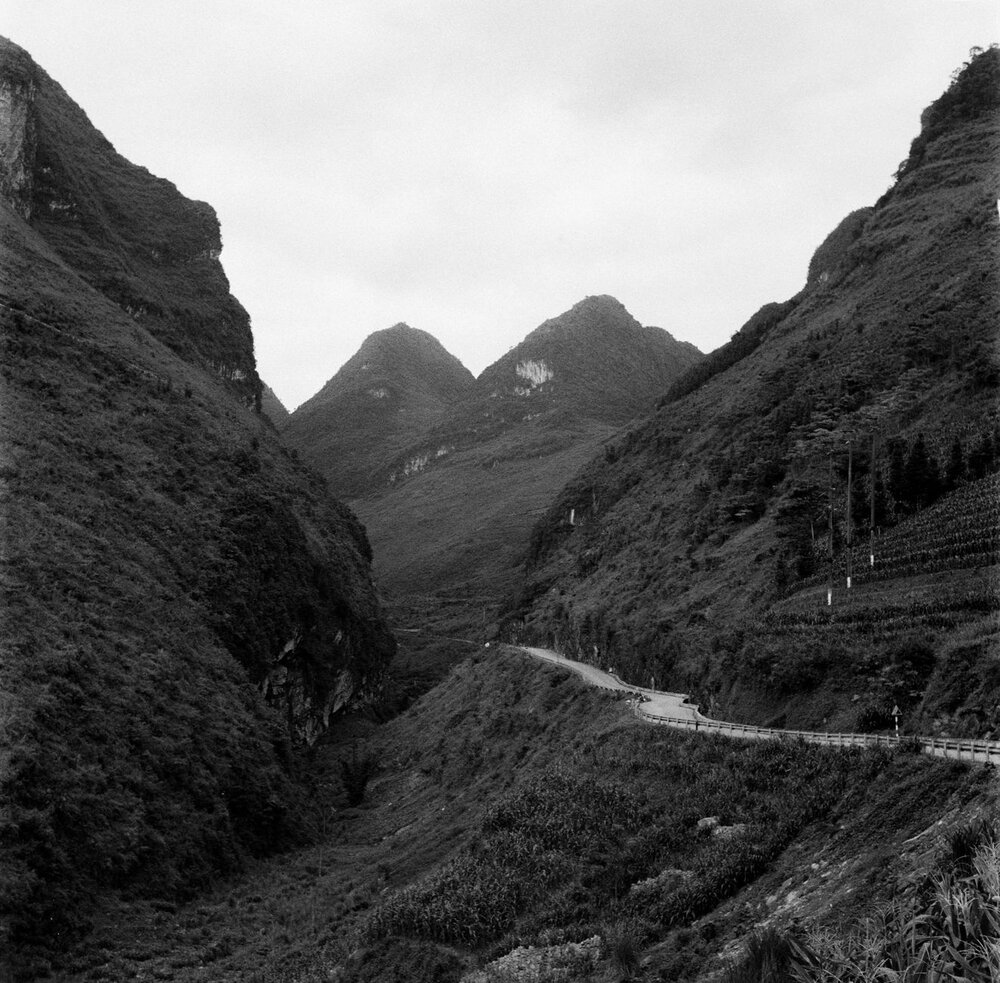
Tram Ton Pass (Heaven’s Gate)
Vietnam's highest mountain pass, linking Sapa to Lai Chau with panoramic views over seas…
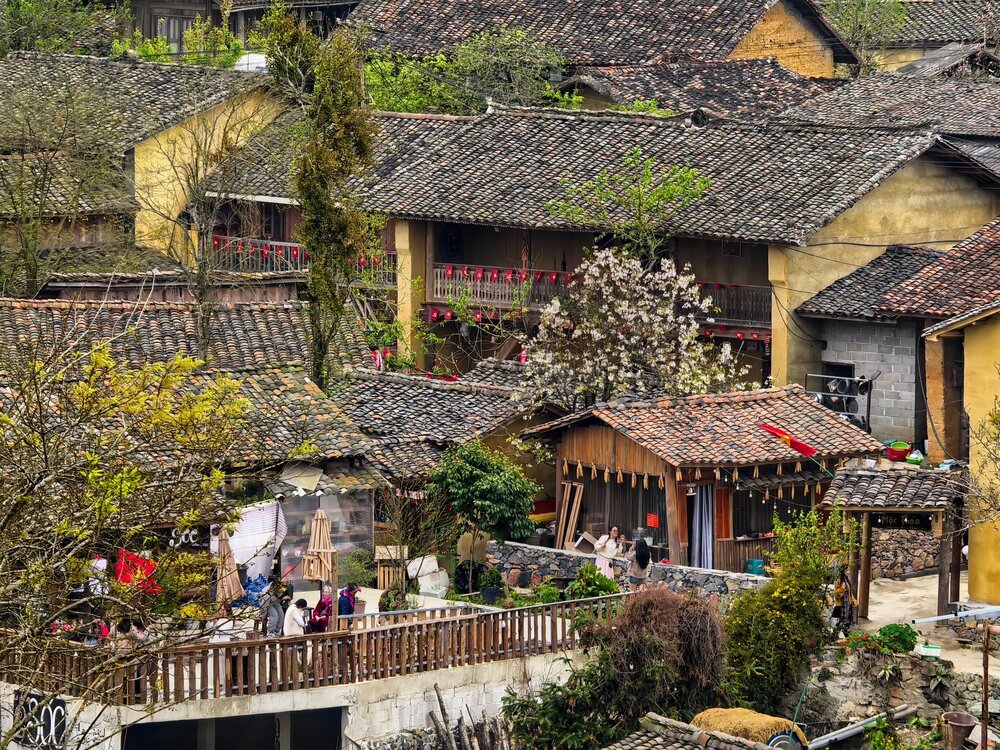
Ban Ho Village
A remote riverside village deep in the Hoang Lien range, home to Tay and…
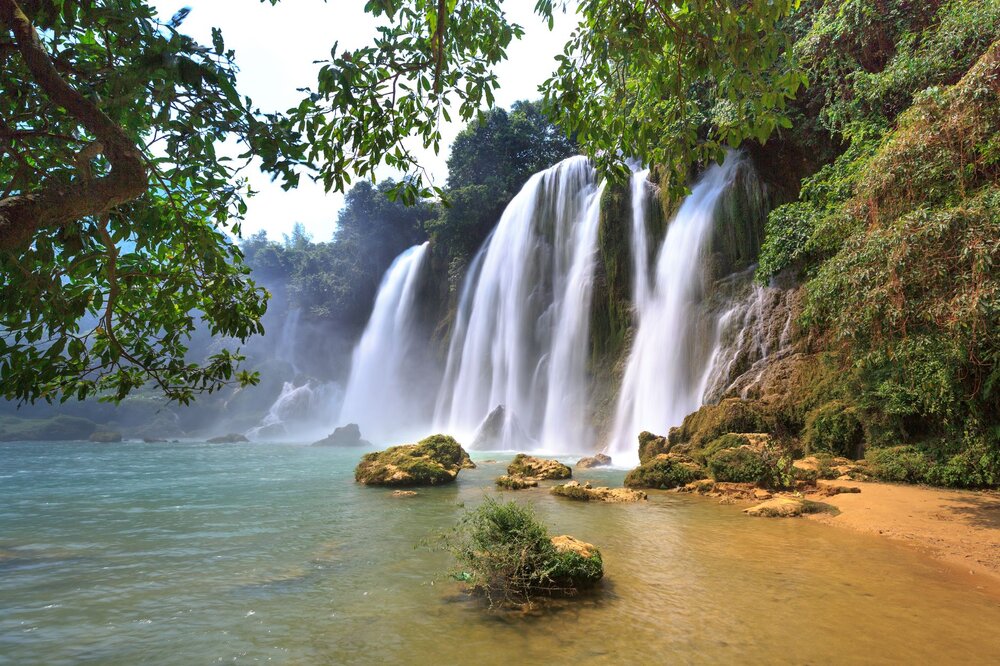
Silver Waterfall
A 200-metre cascade tumbling through subtropical forest 12km from Sapa, at its fullest flow…