
Cat Cat Village
A H'mong settlement close to Sapa town with a mining history, waterfall, and old watermill — one of the most accessible village visits in the area.
Overview
Cat Cat is a H’mong village within easy walking distance of Sapa town, with a small waterfall, an old watermill, and a history tied to a former French-era mining operation. It's one of the most accessible and well-developed village visits in the area, with paved paths making it manageable for most visitors without a full trek.
Entry: around 150,000 VND adult, 70,000 VND child (1-1.3 m height), free under 1 m. Best visited April-May or September-October.
Get There
Cat Cat Village is 2 km south-west of Sapa town centre — a 25–30 minute walk downhill. The trailhead begins on Fansipan Street, just past the cable car station. The return uphill takes 35–45 minutes. Alternatively, xe om (motorbike taxi) from Sapa town costs around 50,000–80,000 VND one way. Most visitors walk down and take a motorbike taxi back up.
Hotels
Hotel recommendations coming soon.
🏨 Search hotels & guesthouses — Booking.comOther
The Waterfall & Water Wheels
The Cat Cat Waterfall is the centrepiece of the village — water from the Hoang Lien Son mountains pours through three channels before cascading into a single ribbon of white water framed by bamboo and stone. Two chain bridges (Si Bridge and A Lu Bridge) give different vantage points over the falls. Alongside the waterfall, giant bamboo water wheels creak in the current — originally used to pound rice and irrigate the fields, they are now one of the most photographed sights in Sapa.
H'mong Culture & Crafts
Cat Cat's residents are Black H'mong, named for the dark indigo-dyed clothing that has distinguished them for generations. The village preserves several traditional crafts: women weave hemp cloth on wooden looms, embroider geometric patterns on jackets and bags, and hammer silver into jewellery. You can watch these processes in the craft workshops along the main path and buy directly from the artisans. The village also has a corn wine distillery where visitors can sample the local spirit.
Village Architecture
Traditional H'mong homes in Cat Cat are built from wood and stone, set into the mountainside on terraced platforms only a few metres apart. Three-room layouts follow a strict cultural pattern: the main room for family life and ancestral altar, and two sleeping rooms on either side. Several homes along the trail are open to visitors.
French Colonial History
The French established a small hydroelectric station here in the early twentieth century to power Sapa town's amenities — remnants of the old infrastructure are still visible near the waterfall. The village name itself is a French corruption of cascade, the word for waterfall. Sapa was developed as a hill station resort during the colonial period, and Cat Cat was one of the first villages accessible to French visitors.
Practical Tips
- The path down from Sapa is entirely paved but steep in places — comfortable shoes are essential
- Allow 1.5–2 hours for the full loop; longer if you spend time at the workshops or waterfall
- Mornings (before 10 am) are quieter; midday sees the most tour groups
- A small café at the base of the waterfall sells coffee, fresh juices, and light snacks
- Combine with a visit to Ta Phin Village or Muong Hoa Valley for a fuller Sapa day
More attractions in Sapa
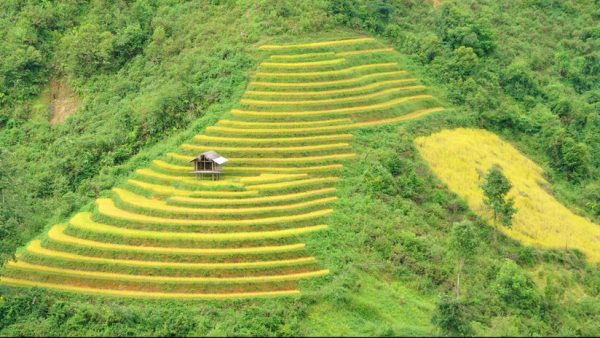
Mu Cang Chai & Y Ty Terraces
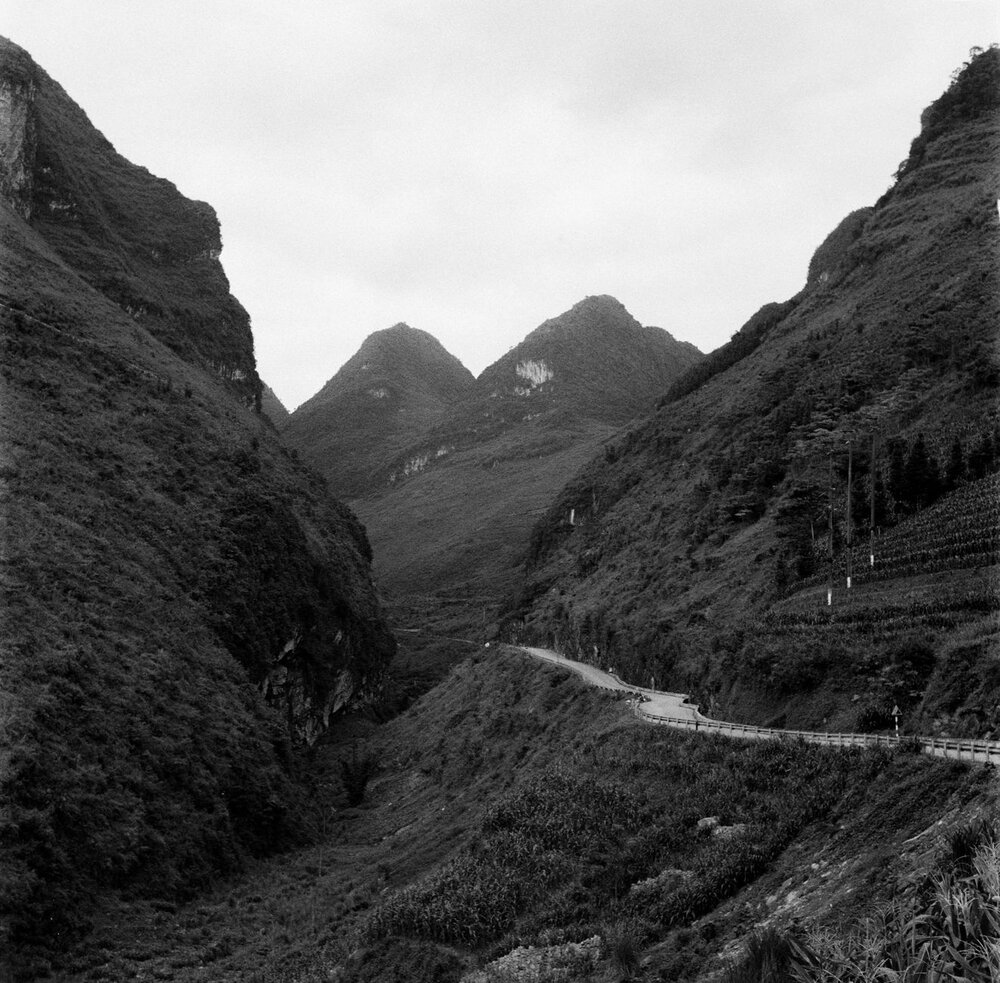
Tram Ton Pass (Heaven’s Gate)
Vietnam's highest mountain pass, linking Sapa to Lai Chau with panoramic views over seas…
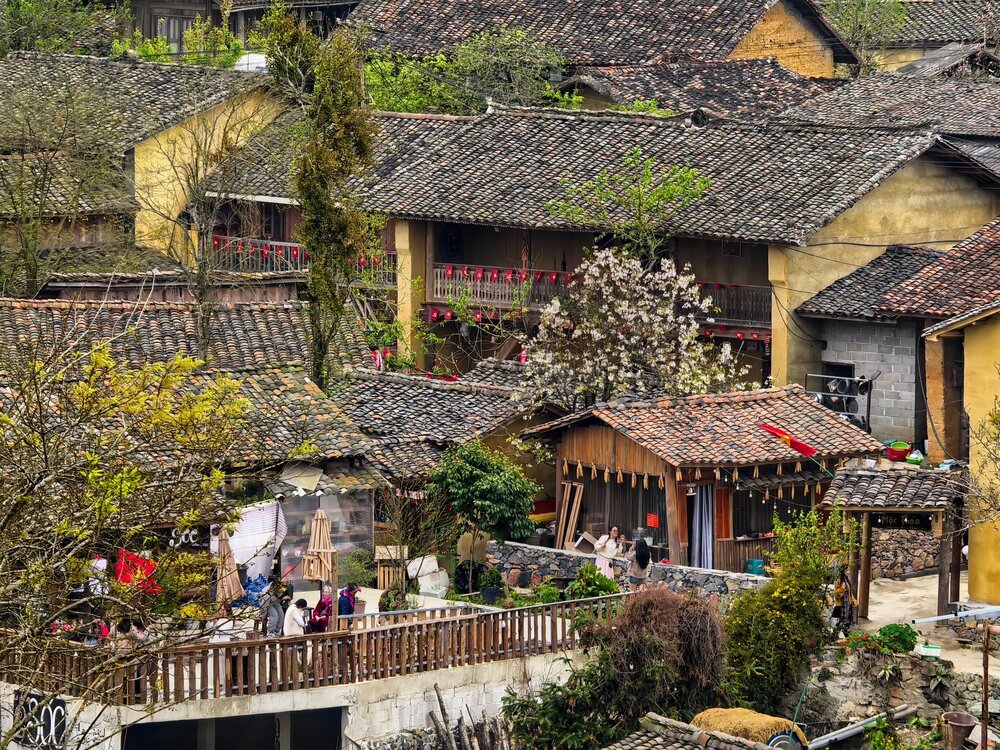
Ban Ho Village
A remote riverside village deep in the Hoang Lien range, home to Tay and…
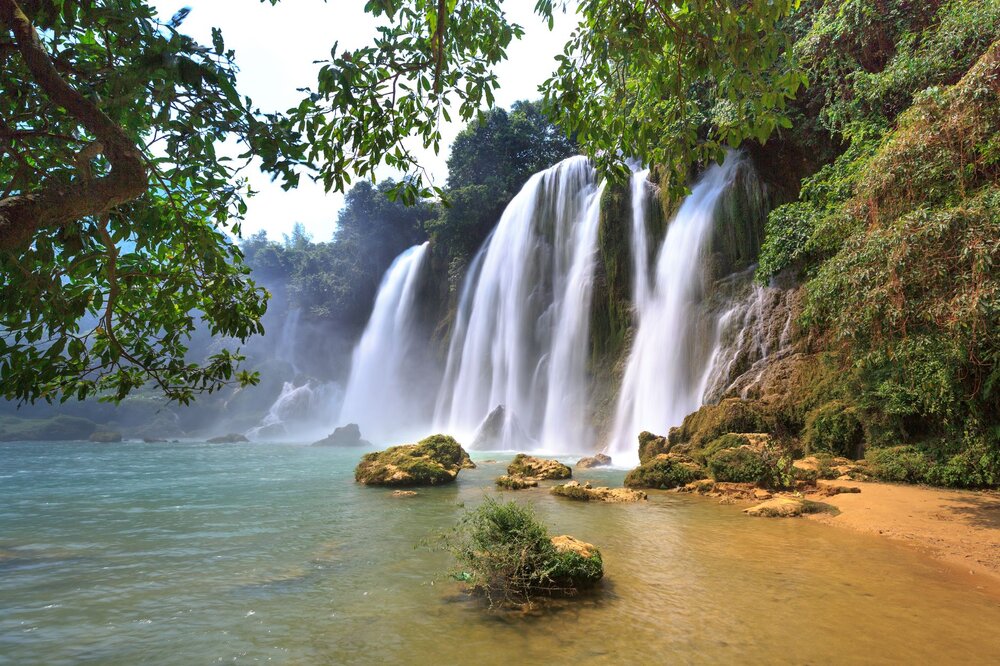
Silver Waterfall
A 200-metre cascade tumbling through subtropical forest 12km from Sapa, at its fullest flow…