Perfume Pagoda
A 15th-century pilgrimage site 60 km southwest of Hanoi — reached by boat along the Yen Stream through dramatic limestone karst scenery.
Overview
The Perfume Pagoda (Chùa Hương) is Vietnam's most important Buddhist pilgrimage site and one of its most dramatically situated. Getting there is half the experience: a 4 km rowing-boat journey along the Yen Stream, past limestone karsts and overhanging foliage, to reach the cave-temple complex built into the Huong Tich Mountain. The main sanctuary sits inside a vast limestone cave, its altar wreathed in incense smoke and hung with lanterns. The surrounding Huong Son nature area encompasses over 20 temples, shrines, and pagodas spread across the valley.
Located 60 km southwest of Hanoi; bus + boat transfer takes about 2.5 hours each way. Best visited outside of the spring festival season (January–March) when crowds are immense. Entry fees and boat hire approximately 150,000–200,000 VND total. A full-day trip from Hanoi.
Get There
Perfume Pagoda is about 60 km southwest of Hanoi, in My Duc District.
By car or motorbike: 1.5–2 hours from central Hanoi via Highway 21B. Follow signs to Ben Duc (Duc Wharf) — the starting point for the boat ride.
By public bus: Routes 211, 78, or 75 from My Dinh Bus Station run to the pagoda area (approximately 2 hours). Check current schedules at the station.
By train + taxi: Take a train to Phu Ly station, then a taxi to Duc Wharf.
By organised tour: Most Hanoi travel agencies offer day trips that include transport, boat ride, and cable car ticket — convenient if you prefer not to self-navigate.
Hotels
Hotel recommendations coming soon.
🏨 Search hotels & guesthouses — Booking.comOther
History
Perfume Pagoda — Chua Huong — is a sprawling complex of Buddhist temples and shrines built into the limestone mountains of Ha Tay (now Hanoi), about 60 km southwest of the capital. The site dates back over 500 years, established during the Le Dynasty in the 15th century, and is dedicated to Quan Am (Avalokiteshvara), the Bodhisattva of Compassion. The name comes from the fragrance of wildflowers and herbs that bloom across the hillsides each spring.
What to See
- Yen Stream boat ride: The journey begins at Duc Wharf, where you board a rowing boat along the Yen Stream through a valley of karst scenery, flooded rice paddies, and forested limestone peaks — one of the most beautiful boat rides in northern Vietnam
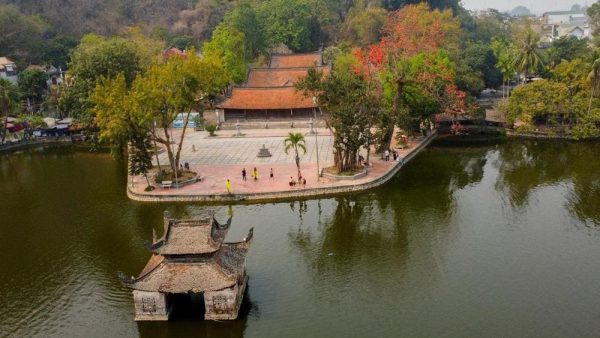
- Thien Tru Pagoda: The first major stop after landing, established in the 15th century and featuring classic Vietnamese Buddhist architecture with curved roofs and dark wood carvings
- Huong Tich Cave: The sacred heart of the complex — a vast cave pagoda carved into the mountain, housing an altar to Quan Am. Reached by cable car or a 1.5-hour hike up stone steps through the forest
- Giai Oan Pagoda: Believed to purify souls and bless childless couples — one of the most visited shrines in the complex
- Long Van and Tuyet Son Caves: Limestone caverns with stalactites and stalagmites, cool and quiet compared to the main pilgrimage route
The Festival
The Perfume Pagoda Festival runs from the 6th day of the Lunar New Year to the end of the third lunar month (roughly late January to late April). It attracts millions of pilgrims annually, making it one of the largest religious gatherings in Vietnam. The atmosphere is extraordinary — thousands of devotees in traditional dress making the pilgrimage by boat and on foot — but crowds can be very heavy on peak days.
Local Food
A few specialities to try at the stalls near the pagoda:
- Che lam — ginger sticky rice candy with peanuts and sesame
- Che cu mai — mai root dessert with mung beans and coconut milk
- Banh cu mai — rice flour cake with shredded coconut
- Rau sang — a local herb used in soups and stir-fries, found only in this valley
Tips
- Plan for a full day — the round trip from Hanoi plus the cave visit takes 8–10 hours
- Take the cable car up to Huong Tich Cave and hike down, or vice versa — avoids doing the steep trail twice
- Dress modestly: long trousers or skirt, shoulders covered
- Wear comfortable walking shoes — the stone steps to the cave are steep and uneven
- Bring water, snacks, sunscreen, and a hat; facilities on the mountain are limited
- Visit outside the festival period (May–December) for a quieter, more contemplative experience
Best Time to Visit
- Late January – April: Festival season — vivid atmosphere but very crowded
- May – September: Lush greenery, hot and humid, far fewer visitors
- October – December: Cooler, quiet, good for photography