
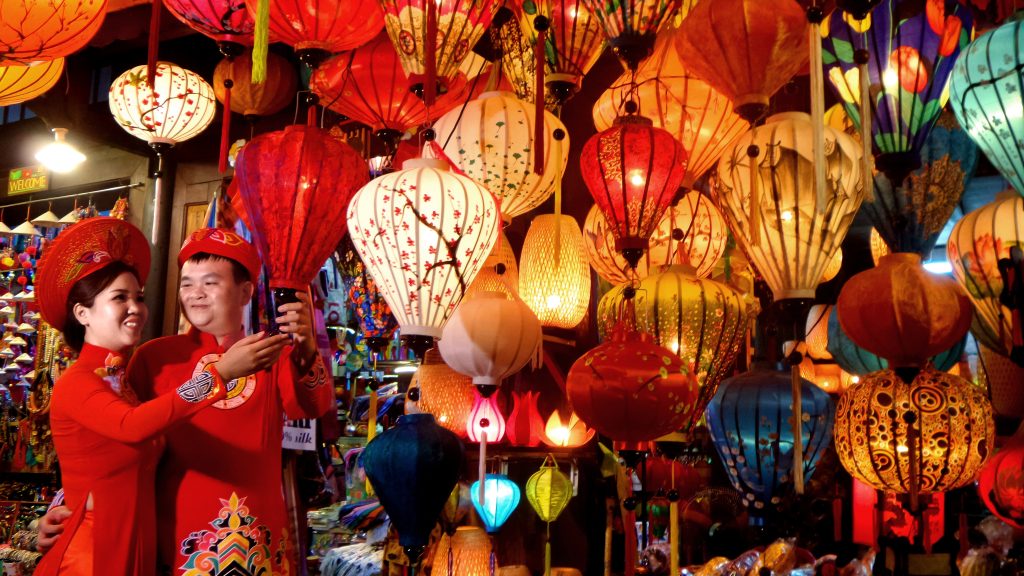
Hoi An in January: Dry Season, Lantern Light & Peak Old Town Atmosphere
January is one of Hoi An’s finest months. The dry season is firmly established, the Ancient Town is bathed in […]
January is one of Hoi An’s finest months. The dry season is firmly established, the Ancient Town is bathed in […]
February is Hoi An’s driest month and, when it overlaps with Tet, one of its most extraordinary. The Ancient Town
March is one of Hoi An’s most consistently pleasant months — warm but not hot, clear skies, and the dry
April is Hoi An’s hottest dry-season month — long sunny days, warm sea, and a festive energy in the final
May is Hoi An’s transition month — the dry season gives way to the first rains, temperatures peak at their
June is Hoi An in summer mode — hot, lush, and surprisingly enjoyable if you embrace the rhythm of the
July is Hoi An’s peak domestic summer season — Vietnamese families fill the beach hotels, the Ancient Town is lively
August is another strong summer month in Hoi An — warm, busy, and lively. The Independence Day long weekend at
September is one of Hoi An’s most atmospheric months. The town is quieter than the April–August peak, the Mid-Autumn Festival
October is Hoi An’s quietest and most atmospheric month — the town slows to a local rhythm, prices drop to
November is Hoi An’s transitional month — the rainy season is easing, the second half brings increasingly clear days, and
December marks the return of Hoi An’s dry season — the town is festive, the weather is getting more reliable,