
September sits in Da Nang’s shoulder season — summer crowds have thinned, but the rainy season hasn’t fully arrived. Rain is more frequent than in the dry months, but it comes in short bursts rather than all-day downpours, and mornings are often clear and warm. For travellers who want a livelier, more affordable version of Da Nang without the peak-season congestion, September is a solid choice.
Weather in Da Nang in September
- Temperature: 26–31°C (79–87°F) — warm and humid throughout
- Rainfall: Moderate-high (60% chance) — mostly afternoon showers rather than sustained rain
- Humidity: 79% — muggy, particularly in the middle of the day
- Daylight: 12.2 hours (sunrise ~5:40 AM, sunset ~5:50 PM)
- Sea: Warm but choppier than the dry season — swimming is generally fine but check conditions daily
Plan outdoor activities and beach visits for early morning before the heat and potential afternoon rain. Cultural sites and museums are good afternoon options when showers are more likely.
What to pack: Light breathable clothing, a compact rain jacket, quick-dry fabrics, sunscreen. Rain boots or waterproof sandals are useful if you’re planning to spend a lot of time outdoors.
Events in Da Nang in September
- Independence Day (31 August – 2 September): A national holiday with domestic travel peaking — beaches and popular sites are busier than usual around this period. Book accommodation in advance if your dates overlap
- Mid-Autumn Festival (Tết Trung Thu): Falls in mid-September (date varies by lunar calendar). Da Nang celebrates with lantern parades, dragon dances, mooncake tastings, street fairs, and live music. The city centre comes alive in the evenings — one of the more atmospheric events of the year to be in the city for
Best Things to Do in Da Nang in September
My Khe Beach
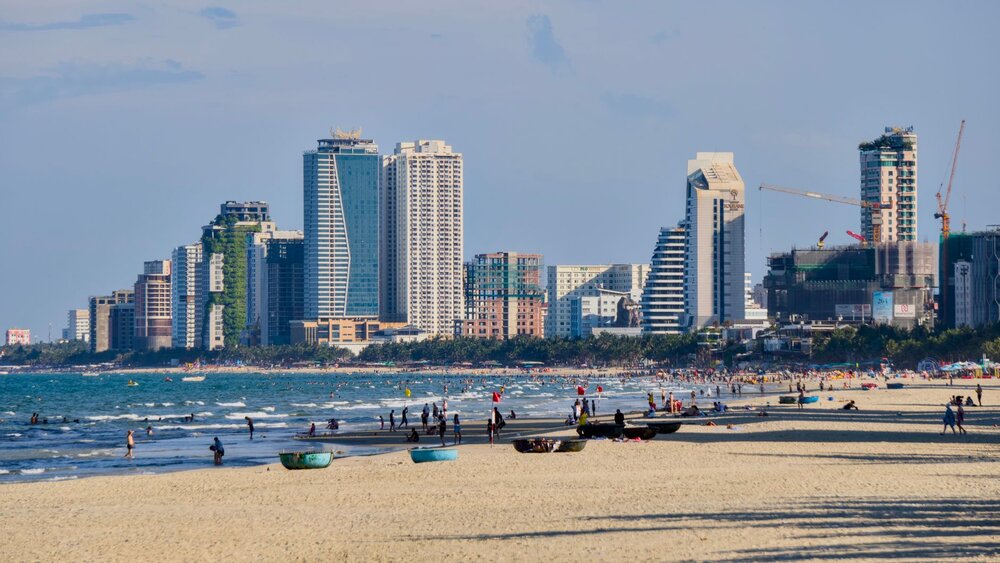
September’s warmer temperatures keep the sea swimmable, and the beach is noticeably quieter than the June–August peak. Early mornings are the best window — the sand is still cool, the water is clear before any afternoon chop, and the long stretch of beach has a relaxed local feel with residents jogging and doing tai chi along the waterfront. Beachside seafood restaurants along the strip serve excellent fresh catches in the evening — grilled squid and steamed clams are the local specialities.
Ba Na Hills & the Golden Bridge
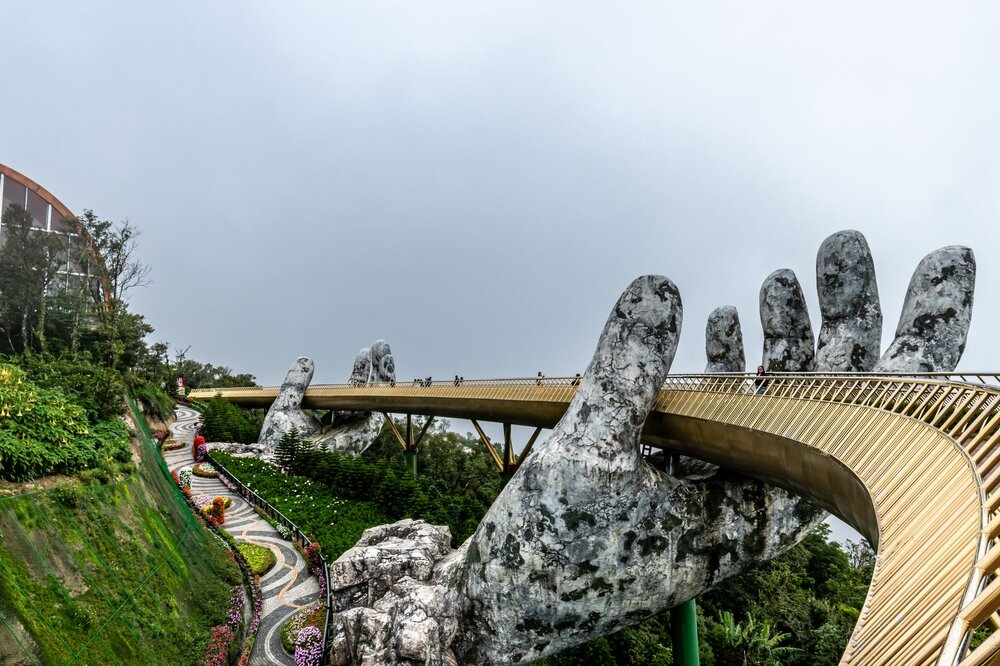
Ba Na Hills is one of the better places to visit in Da Nang on a rainy September day — the mountain resort sits at 1,400 metres above sea level, which means it’s cooler than the city and often above the cloud line when mist sits over the coast. The Golden Bridge, held aloft by giant stone hands, is the signature sight; the cable car ride up offers wide views over the forested hillsides. The French Village and flower gardens fill out the rest of a half-day visit comfortably. Go on a weekday to avoid weekend crowds.
Marble Mountains (Ngũ Hành Sơn)
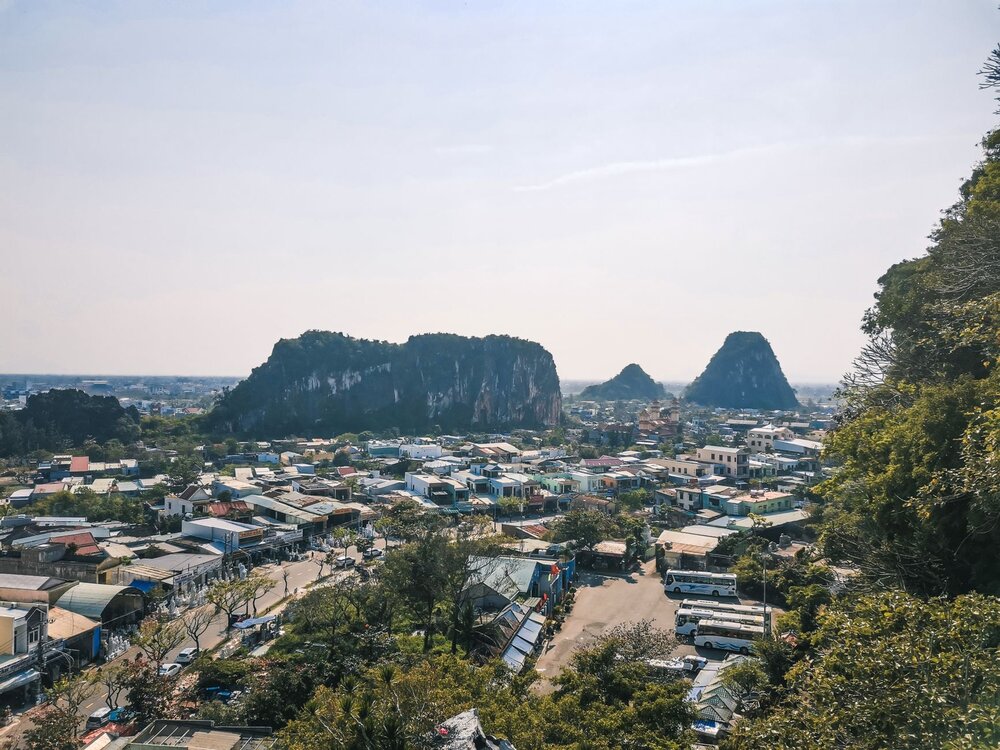
Five limestone outcrops riddled with pagodas, shrines, and caves south of the city. The Huyen Khong Cave — where shafts of natural light fall through an opening in the ceiling — is the highlight, and it’s atmospheric in any weather. September’s overcast light actually suits the caves well, softening the shadows inside. The main ascent takes around 20 minutes on foot, or take the elevator (15,000 VND). Entry: 40,000 VND. Allow 1.5–2 hours.
Son Tra Peninsula & Linh Ung Pagoda
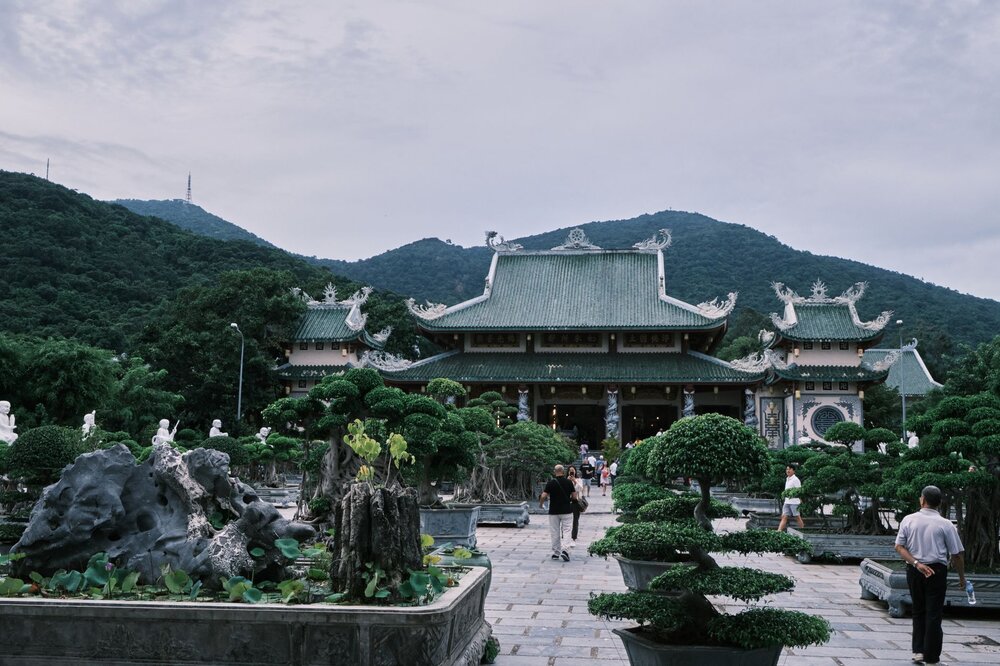
The forested peninsula north of the city is home to the 67-metre Lady Buddha at Linh Ung Pagoda, winding jungle roads, and hidden coves. In September, the jungle is dense and green after the summer, and the peninsula’s higher elevations give wide views over Da Nang Bay — best in the morning before cloud builds. The waters around Son Tra are also clear enough for snorkelling in September; several tour operators run half-day snorkelling trips departing from the peninsula. The pagoda and grounds are free to enter.
Museum of Cham Sculpture
The world’s largest collection of Cham artefacts — sculptures, altars, and ceremonial objects from the 7th to 15th centuries — housed in a French colonial building near the Han River. An excellent afternoon option when the weather is uncertain: cool, shaded, and genuinely absorbing. The museum puts the Marble Mountains and My Son Sanctuary into historical context, making it worth visiting even if you’ve seen other Cham sites. Entry: 60,000 VND. Allow 1.5 hours.
Han River Evening Walk
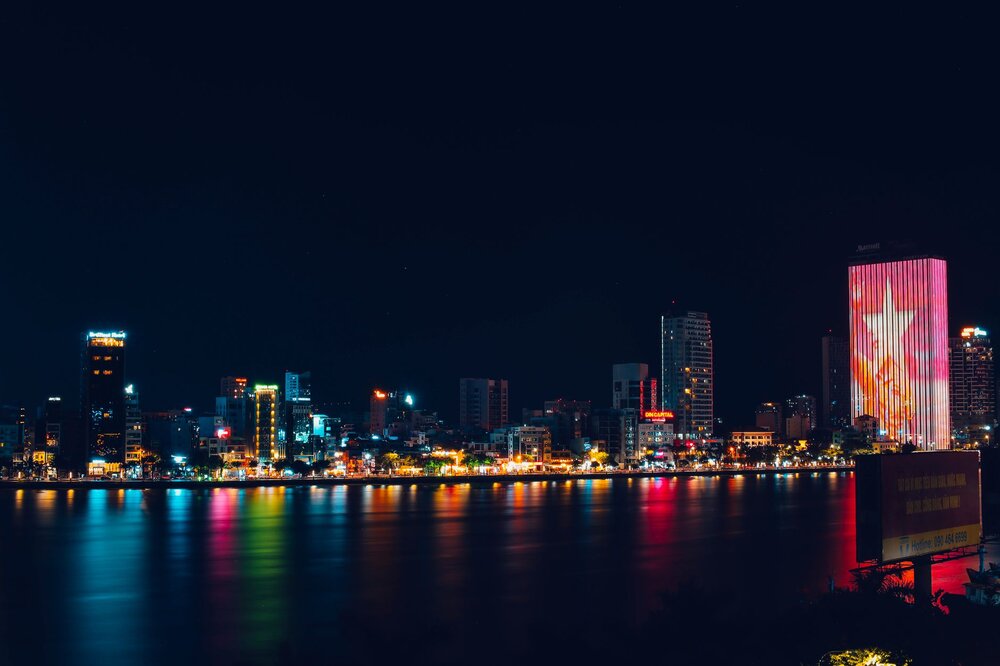
The Han River waterfront is at its most lively on September evenings — the cooler air after a day of heat brings locals out along the promenade, and the bridge lights reflect on the water. The Dragon Bridge fire and water show runs every Friday, Saturday, and Sunday at 9 PM; arrive early to claim a spot along the riverbank. The swing bridge (Cầu Quay Sông Hàn) opens to river traffic on weekend nights and is worth watching. Con Market, a short walk from the river, is the best place for local street food — bánh bèo, Mì Quảng, and nem lụi at a fraction of Han Market prices.
Also Worth Doing in September
- Day trip to Hoi An: 30–45 minutes south — the lantern-lit old town is particularly atmospheric in September evenings, and the cooler temperatures make the walk through the ancient quarter more comfortable than in peak summer
- Hai Van Pass: The mountain road between Da Nang and Hue is best on dry mornings in September — check the weather before setting off, as cloud and rain can close visibility quickly. The views on a clear day remain spectacular
- Cham Islands: Boat trips to the Cham Islands (about 1 hour offshore) depend on sea conditions — September is transitional, so check with operators on the day. When conditions allow, snorkelling visibility is still good
Practical Tips for September
- Timing: Do outdoor activities and beaches before noon; use afternoons for museums, cafés, and covered markets
- Independence Day weekend: If visiting 31 August–2 September, book accommodation and popular tours in advance — domestic travel peaks sharply
- Mid-Autumn Festival: Check the exact date for your visit year — the evening celebrations in the city centre are worth being present for
- Con Market over Han Market: Con Market (Chợ Cồn) is where locals shop — better prices, more authentic food stalls, less tourist markup than Han Market
- Getting around: Grab (motorbike or car) for city trips; hire a motorbike for Hai Van Pass and Son Tra; organised tour for Ba Na Hills and Cham Islands
Da Nang is on the main north–south rail line. The train from Hanoi takes around 14–16 hours (overnight sleeper recommended); from Ho Chi Minh City it’s about 15–17 hours. Da Nang station is central — just 3 km from the beach.
Book train tickets to Da Nang:
Hanoi → Da Nang (Baolau) → · Ho Chi Minh → Da Nang (Baolau) →
Hanoi → Da Nang (12Go) → · Ho Chi Minh → Da Nang (12Go) →
Tours & activities in Da Nang
Activity links above are affiliate or partner links.