
September is one of Hoi An’s most atmospheric months. The town is quieter than the April–August peak, the Mid-Autumn Festival fills the streets with lanterns and colour, and the ancient town feels closer to its unhurried self. Rain arrives more often — mostly in the afternoons — but mornings are warm and manageable, and the Thu Bon River takes on a fuller, greener character. Travellers who time it right get a Hoi An that rewards slow exploration.
Weather in Hoi An in September
- Temperature: 26–31°C (78–87°F) — warm and humid
- Rainfall: Moderate-high (61% chance) — afternoon showers are common; mornings usually clear
- Humidity: 79% — muggy through the middle of the day
- Daylight: 12.2 hours (sunrise 5:34 AM, sunset 5:48 PM)
Structure your days around the weather: old town walks and craft villages in the morning, covered markets and workshops in the afternoon, lantern-lit streets in the evening. September rain rarely lasts all day.
What to pack: Light breathable clothing, a compact rain jacket, waterproof sandals, and comfortable walking shoes for the old town cobblestones.
Events in Hoi An in September
- Independence Day (31 August – 2 September): A national holiday — domestic tourism picks up around this weekend. The old town is busier than a typical September day; book restaurants and accommodation in advance if your dates overlap
- Mid-Autumn Festival (Tết Trung Thu): The 15th day of the 8th lunar month — falls in mid-September most years. This is Hoi An’s most photogenic annual event: the ancient town is draped in silk lanterns, dragon dances wind through the old quarter, mooncakes are sold on every corner, and lanterns are released onto the Thu Bon River after dark. The streets around the Japanese Covered Bridge and Nguyen Thai Hoc are particularly spectacular. Worth planning your visit around if dates allow
Best Things to Do in Hoi An in September
Hoi An Ancient Town
The UNESCO-listed old quarter is best explored before 8 AM in September — the light is gentle, the streets are quiet, and the tile-roofed merchant houses and Chinese assembly halls have the kind of stillness that the midday crowds make impossible. The Hoi An Ancient Town ticket (120,000 VND, valid three days) covers five heritage sites including the Japanese Covered Bridge, assembly halls, and old merchant houses. Save it for the morning; the same streets at dusk, lit by lanterns, are worth a second pass.
Japanese Covered Bridge
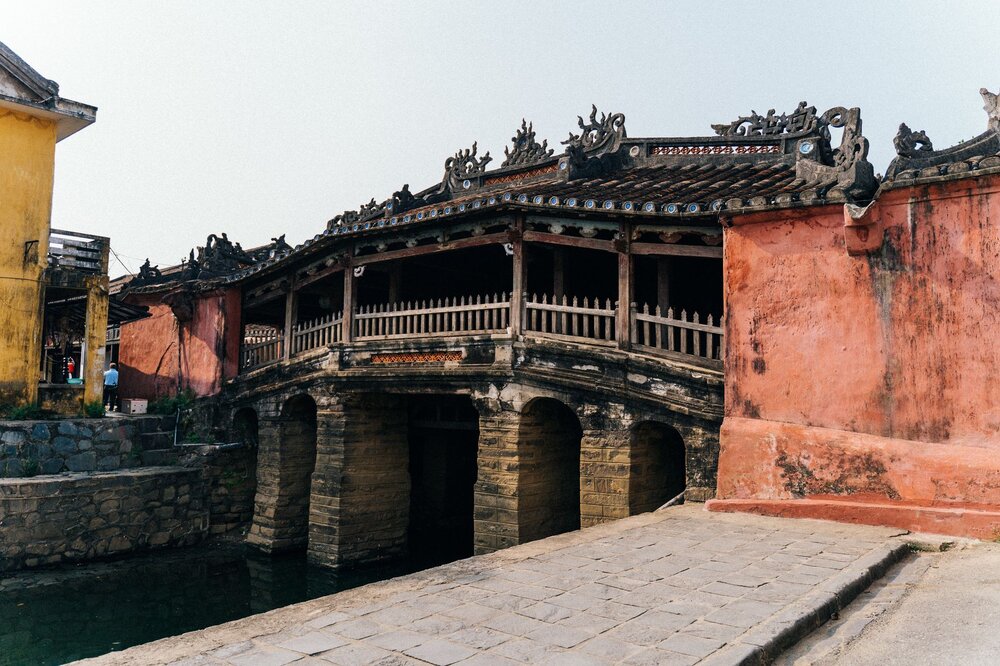
The 18th-century wooden bridge — one of Vietnam’s most recognisable landmarks — is included in the ancient town ticket and best visited early morning before the tour groups arrive. The bridge spans a small canal on the western edge of the old quarter, with a small pagoda built into its centre. In September, the surrounding vegetation is lush and green, framing the bridge particularly well. During the Mid-Autumn Festival, the area around the bridge is decorated with lanterns and is one of the most photographed spots in town.
An Bang Beach
Five kilometres from the old town, An Bang is the quieter, more local alternative to Cua Dai Beach. September’s warm water and reduced crowds make it one of the better months to spend a morning here — beach chairs and umbrellas are available cheaply, and the handful of low-key restaurants along the sand serve fresh seafood at reasonable prices. The sea can be choppier than in the dry season, so check conditions before swimming out far.

Tra Que Vegetable Village
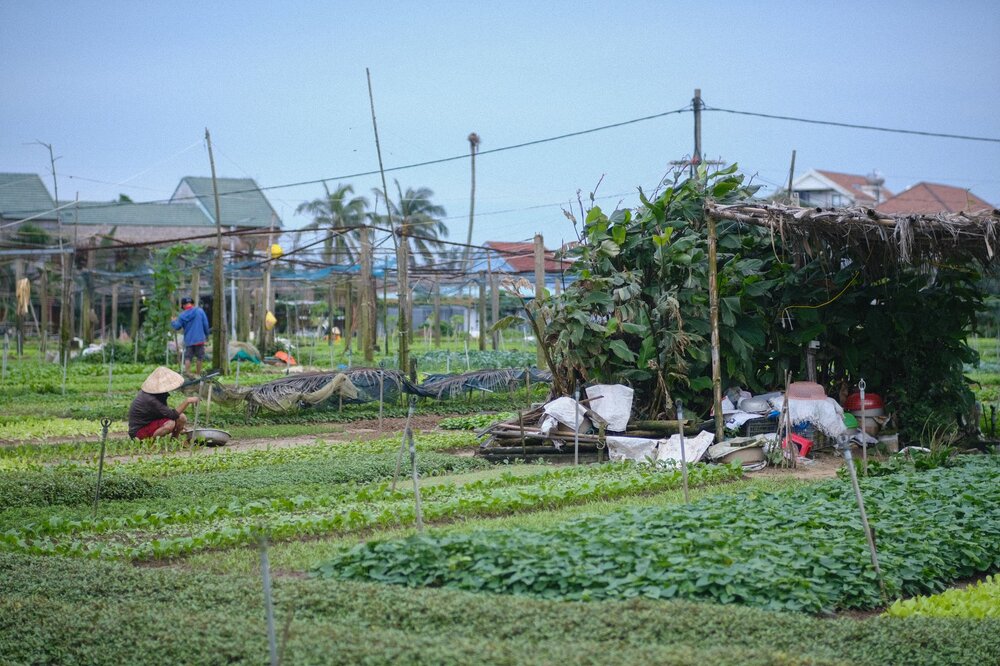
A working organic farm village 3 km from the old town where local farmers grow the herbs and vegetables that define Hoi An’s cuisine — including the distinctive rau muống (water spinach) and húng quế (Thai basil) used in Cao Lau. Cooking classes here follow a farm-to-table format: participants harvest ingredients in the garden before preparing White Rose dumplings, Cao Lau noodles, and fresh spring rolls. September’s rain keeps the fields intensely green, making the setting particularly pleasant for a morning class.
Thanh Ha Pottery Village
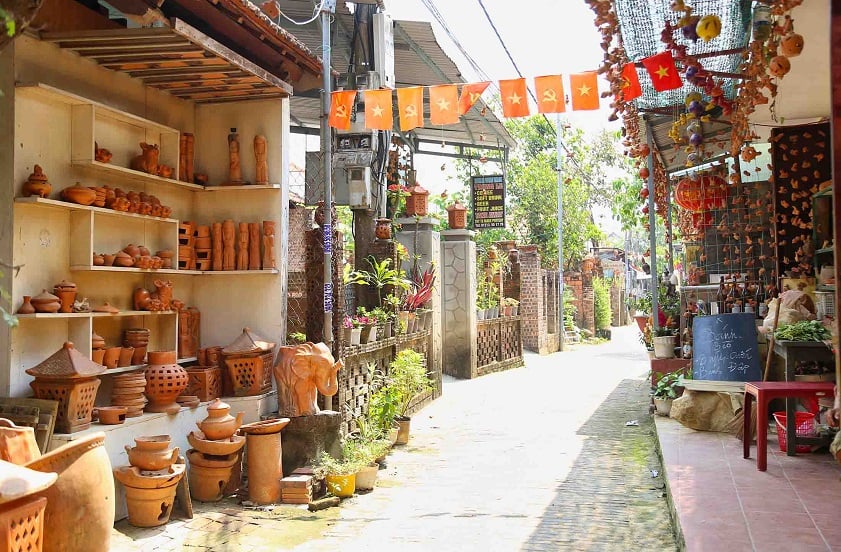
A 500-year-old pottery village on the banks of the Thu Bon River, 3 km west of the old town. Artisans here still use traditional kick-wheel techniques to produce terracotta pots, figurines, and tiles — some of the same methods used to make the roof tiles visible throughout the ancient town. Hands-on workshops are available for visitors; most last 30–45 minutes and cost around 50,000–100,000 VND. Combine with Tra Que for a half-day of craft village exploration.
Kim Bong Carpentry Village
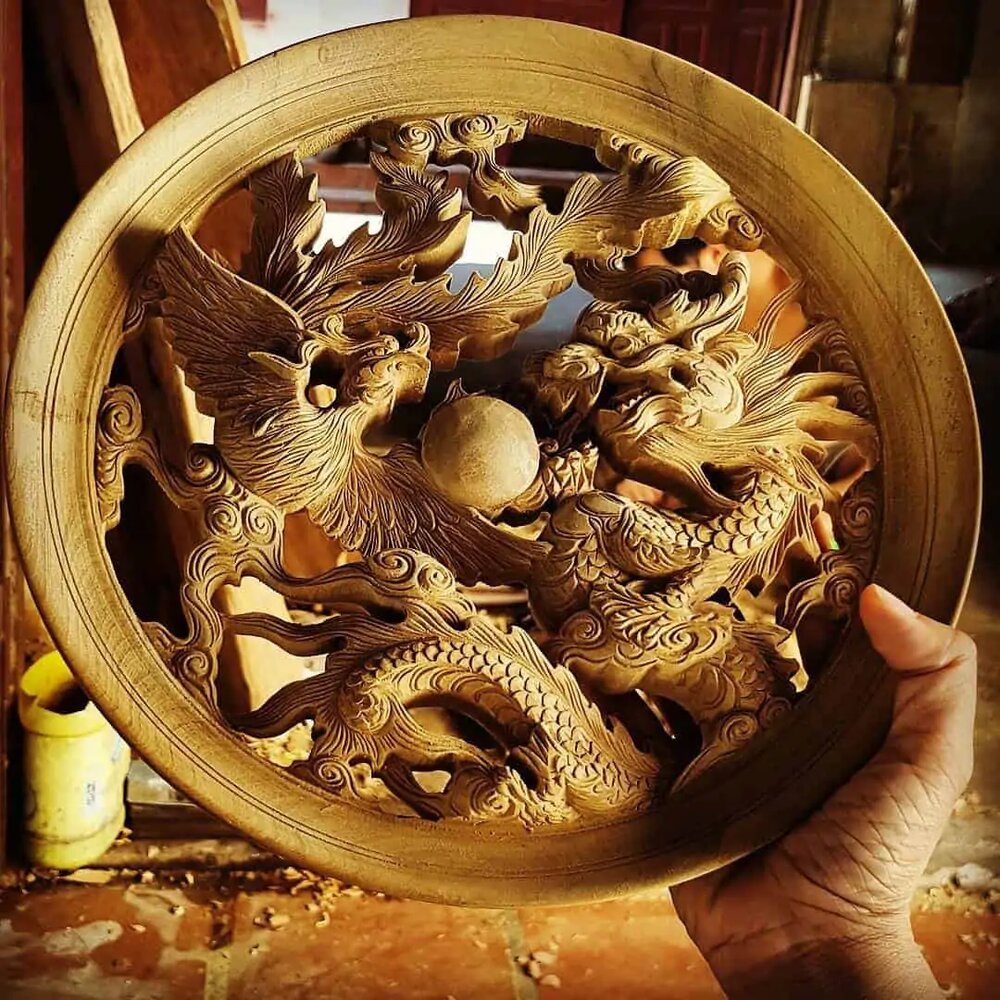
Across the Thu Bon River from the old town by small ferry, Kim Bong has supplied Hoi An’s wooden architecture — the carved screens, lacquered shutters, and joinery visible throughout the old quarter — for centuries. The village is quieter than Tra Que or Thanh Ha and sees fewer visitors, which makes wandering through the workshops more relaxed. Artisans produce furniture, decorative panels, and miniature boat models; small pieces make good souvenirs. The 10-minute ferry ride from the old town waterfront is itself a pleasant way to cross the river.
Thu Bon River Sunset Boat Ride
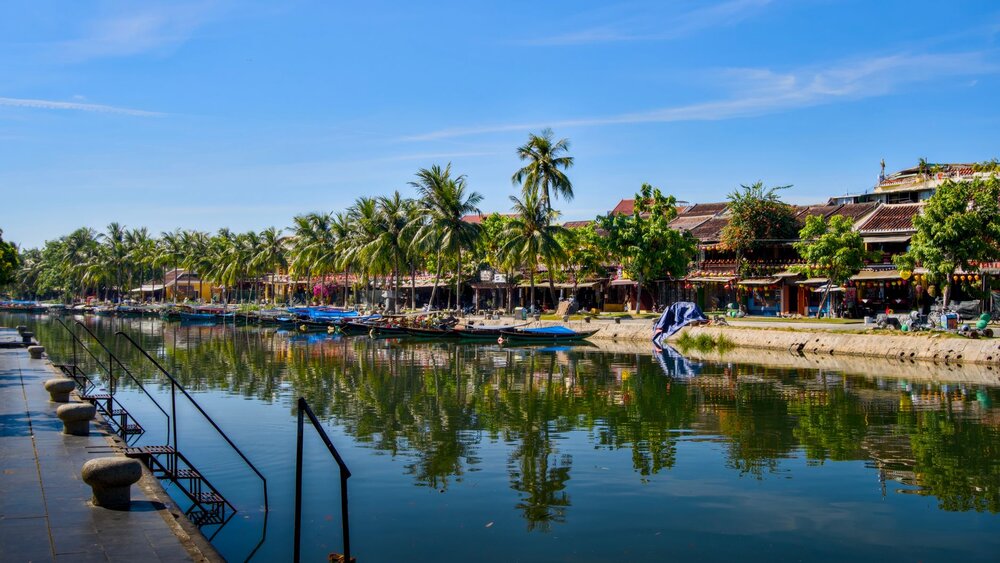
An hour on the Thu Bon River at sunset is one of the most relaxed ways to spend a September evening in Hoi An. Small wooden boats depart from the waterfront near the old town and drift past fishing villages, riverside temples, and the backs of the old merchant houses. In September, the river runs full and green. During the Mid-Autumn Festival, the water is lit with floating lanterns after dark — one of the most memorable sights in the town’s annual calendar.

Also Worth Doing in September
- Cham Islands: Boat trips to the Cham Islands nature reserve run weather-dependent in September — check with operators on the day as strong winds can cause cancellations. When conditions allow, snorkelling visibility remains good
- Bicycle through the countryside: The flat roads between Hoi An’s craft villages are ideal for cycling — rice paddies are green in September and traffic is light on the smaller lanes
- Ancient town heritage sites: The Fujian Assembly Hall (1697), Hainan Assembly Hall (1851), and Old House of Tan Ky are all covered by the ancient town ticket and worth a morning of exploration
Practical Tips for September
- Ancient town ticket: 120,000 VND, valid for three days, covers five sites — buy at the ticket booths on Le Loi or Tran Phu streets
- Timing: Old town and craft villages in the morning; covered workshops and markets in the afternoon; riverside and old town streets in the evening
- Mid-Autumn Festival: Check the exact lunar calendar date for your visit year — the evening before and the evening of the festival are the most spectacular
- Tailor shops: Hoi An’s tailors can turn around a garment in 24–48 hours; September is a quieter month so turnaround times tend to be shorter than in peak season
- Getting around: Bicycles (50,000–80,000 VND/day hire) are the best way to reach the craft villages and An Bang Beach; motorbikes for anything further
Tours & activities in Hoi An
Activity links above are affiliate or partner links.