
Vietnam has become one of the most popular destinations in Southeast Asia for digital nomads, long-term travellers, and foreign residents — and for good reasons. The cost of living is low (a comfortable life in Hanoi or Da Nang costs $800–1,500/month all-in), the food is excellent, the internet infrastructure in the major cities is fast and reliable, the visa situation has improved significantly with the 90-day e-visa (extendable), and the country’s diversity means you can live in a cool highland city, a beach town, or a bustling metropolis depending on your preference. This guide covers the main expat and nomad hubs, the practical considerations, and what long-term life in Vietnam actually looks like.
Best Cities for Expats & Digital Nomads
Hanoi: Depth & Culture
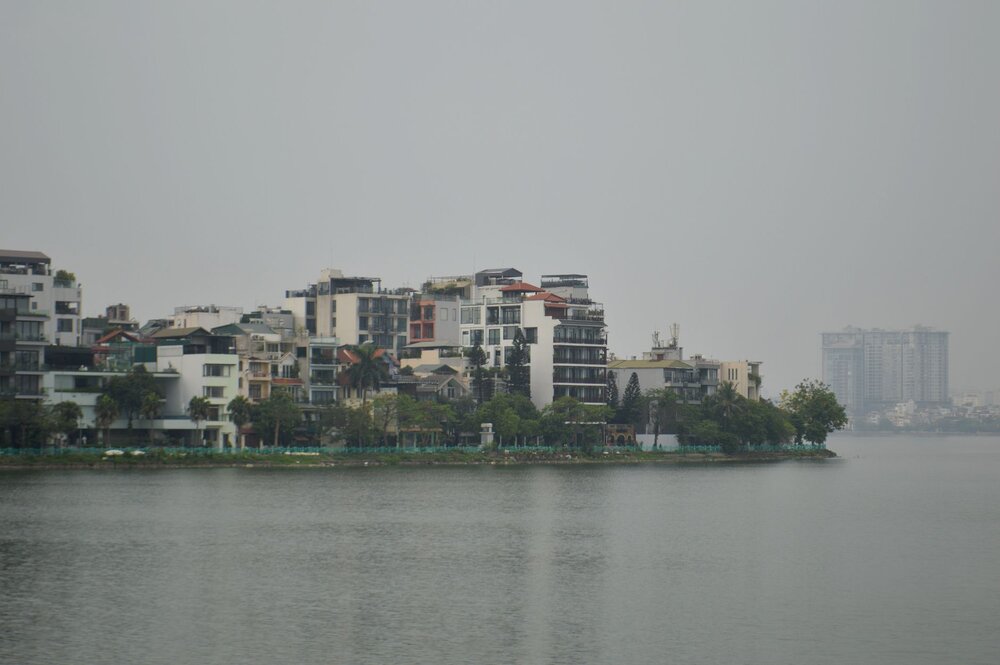
Hanoi is the most culturally rich base for long-term living in Vietnam — the city’s depth, its distinct seasons (genuinely cool winters), its extraordinary food scene, and its walkable Old Quarter neighbourhoods give it a character that rewards extended time in a way that more tourist-facing cities don’t. The expat community clusters in Tay Ho (West Lake) — a pleasant lakeside neighbourhood with international schools, expat-oriented cafés and restaurants, and a high density of long-term foreign residents. Internet speeds in Hanoi are excellent (FPT and Viettel fibre are both fast and reliable); co-working spaces (Toong, Cogo, UP Co-working) are available in Tay Ho and Hoan Kiem. The winter (December–February) is genuinely cool (15–20°C) — not cold by European standards, but a welcome break from the tropical heat of the south.
Da Nang: The Nomad’s Favourite
Da Nang has overtaken Hoi An as the preferred digital nomad base on the central coast — the city has fast fibre internet, a growing co-working ecosystem (Toong Da Nang, Inspira), excellent beaches 5 minutes from the city centre, a lower cost of living than Ho Chi Minh City, and a genuinely pleasant urban character. The An Thuong neighbourhood behind My Khe Beach has the densest concentration of nomad-friendly cafés, international restaurants, and mid-range apartments. Da Nang International Airport has direct flights to most major Asian hubs; the city’s position between Hue (1 hour north) and Hoi An (30 minutes south) makes it an excellent base for central Vietnam exploration. Typical monthly budget for a comfortable nomad life: $700–1,100.
Hoi An: Slow Living
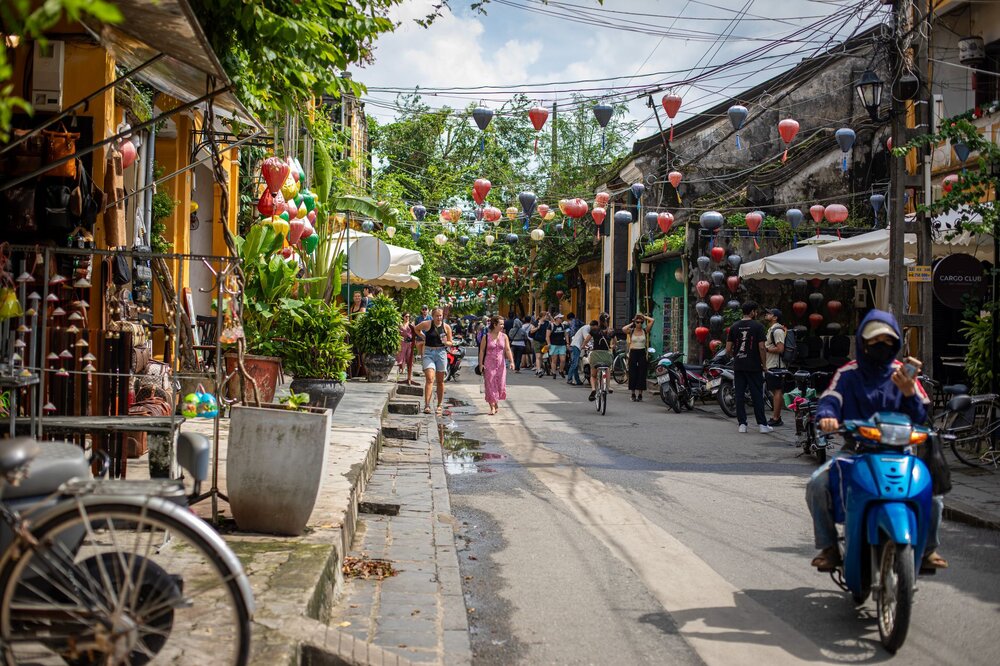
Hoi An attracts the longest-staying foreign residents of any city in Vietnam — the ancient town’s beauty, the beach (An Bang, 5 minutes by bicycle), the exceptional food scene, and the tight-knit expat and long-term traveller community create a “gravity” that keeps people for months longer than they planned. The trade-off is a lack of the urban infrastructure of Da Nang or Hanoi — there is no proper co-working space in the ancient town itself (cafés with good WiFi serve the function), and the tourist economy means that some services are priced above local rates. For remote workers who don’t need a formal co-working environment and prioritise quality of life over urban amenity, Hoi An is Vietnam’s finest long-term base.
Da Lat: The Cool Escape
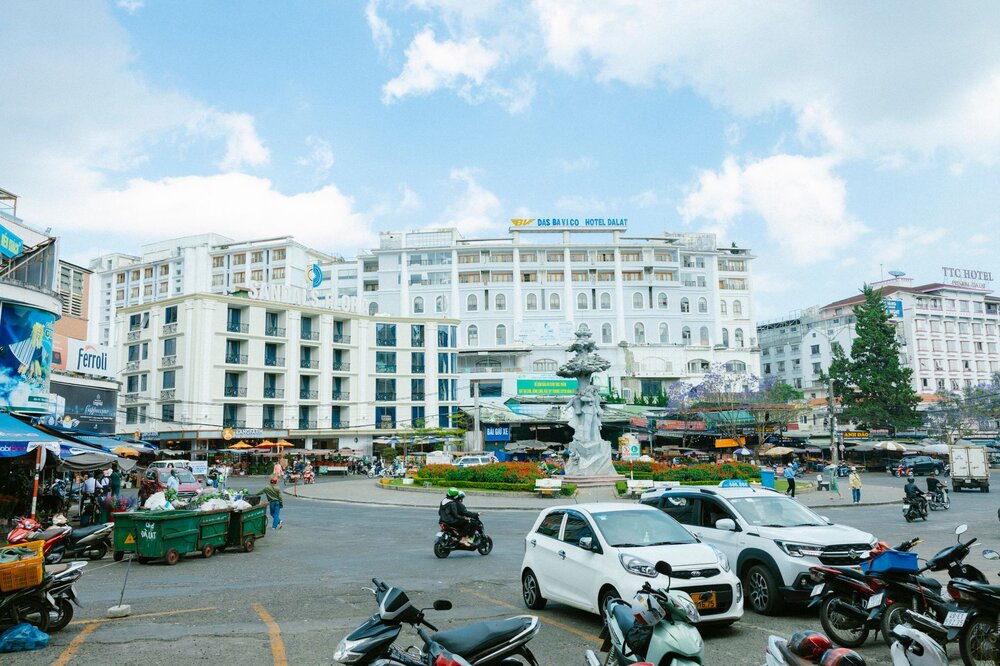
Da Lat is Vietnam’s fastest-growing digital nomad destination — the cool highland climate (15–24°C year-round, the only city in Vietnam where you need a jacket in the evening), the café culture (Da Lat has more cafés per capita than any other Vietnamese city), the outdoor activities, and the lower costs than the coastal cities make it an increasingly popular choice for long-term remote workers. The city lacks Da Nang’s beach access and Hanoi’s cultural depth, but for remote workers who prioritise climate, outdoor life, and a productive working environment, Da Lat is compelling. Fibre internet (FPT) is available in most accommodation; the café co-working culture is well-established.
Visas & Legal Basics
- E-visa (90 days, single or multiple entry): Available online for citizens of most countries; the standard entry point for nomads and long-term travellers; extendable in-country for a further 90 days at an immigration office or through a visa agent (approximately $50–100 USD)
- Visa-exempt countries: Citizens of several countries (UK, Germany, France, Italy, Spain and others) receive 45-day visa-free entry — check the current list on the Vietnamese immigration website as the list updates periodically
- Working legally: Remote work for a foreign employer is a legal grey area in Vietnam — technically, working remotely on a tourist visa is not explicitly permitted but is widely practised without enforcement issues; working for a Vietnamese employer requires a work permit and business visa
- Health insurance: International health insurance is strongly recommended; Vietnamese public hospitals are underfunded and understaffed; private hospitals (FV Hospital in HCMC, Vinmec in Hanoi and Da Nang) provide good care at rates that are manageable with adequate coverage
Cost of Living Reference (2025)
- Accommodation: Studio apartment (furnished, bills included) $250–500/month in Da Nang and Da Lat; $350–600 in Hanoi Tay Ho; $400–700 in Ho Chi Minh City District 2
- Food: Street food and local restaurants $5–10/day; mid-range restaurants $15–25/day; cooking at home adds $50–100/month for groceries
- Transport: Motorbike rental $60–100/month; Grab app for daily city transport $20–40/month
- Co-working: Hot desk $60–120/month; private desk $100–200/month at established spaces in Hanoi, Da Nang, and HCMC
- Total comfortable monthly budget: $800–1,200 in Da Lat or Da Nang; $1,000–1,500 in Hanoi Tay Ho or HCMC
Practical Tips
- SIM card: Buy a local SIM on arrival (Viettel or Mobifone); 30-day unlimited data plans cost 150,000–200,000 VND (~$6–8) and are faster than most hotel WiFi for mobile work
- Banking: Wise (formerly TransferWise) is the most cost-effective way to manage money in Vietnam — the Wise card works at Vietnamese ATMs at near-interbank rates; VCB (Vietcombank) ATMs have the most reliable acceptance of foreign cards
- Community: Facebook groups (“Expats in Da Nang”, “Nomads in Vietnam”, “Foreigners in Hoi An”) are the most practical source of current advice on accommodation, visa agents, and local services — more reliable than outdated guidebook information
- Language: Vietnamese is tonal and genuinely difficult for most Western learners, but basic phrases (greetings, numbers, food orders) are warmly received and open doors that English alone doesn’t; Duolingo now has a Vietnamese course as a starting point
Tours & activities in Vietnam
Activity links above are affiliate or partner links.