
Vietnam has three distinct urban characters compressed into one country: Hanoi — the thousand-year-old northern capital with temple lakes, French colonial avenues, and a street-food culture that is among the most serious in Asia; Ho Chi Minh City — the relentlessly energetic southern metropolis, Vietnam’s commercial engine, with a skyline rising over the Saigon River and a street life that runs from dawn to 2 AM; and Da Nang — the modern central coast city between them, growing fast and punching above its weight for beaches, food, and livability. Below them, Hoi An offers something different again: a preserved merchant town where the city life is itself the heritage. Vietnam’s cities reward extended time — the layers reveal themselves slowly.
Vietnam’s Best Cities for Urban Exploration
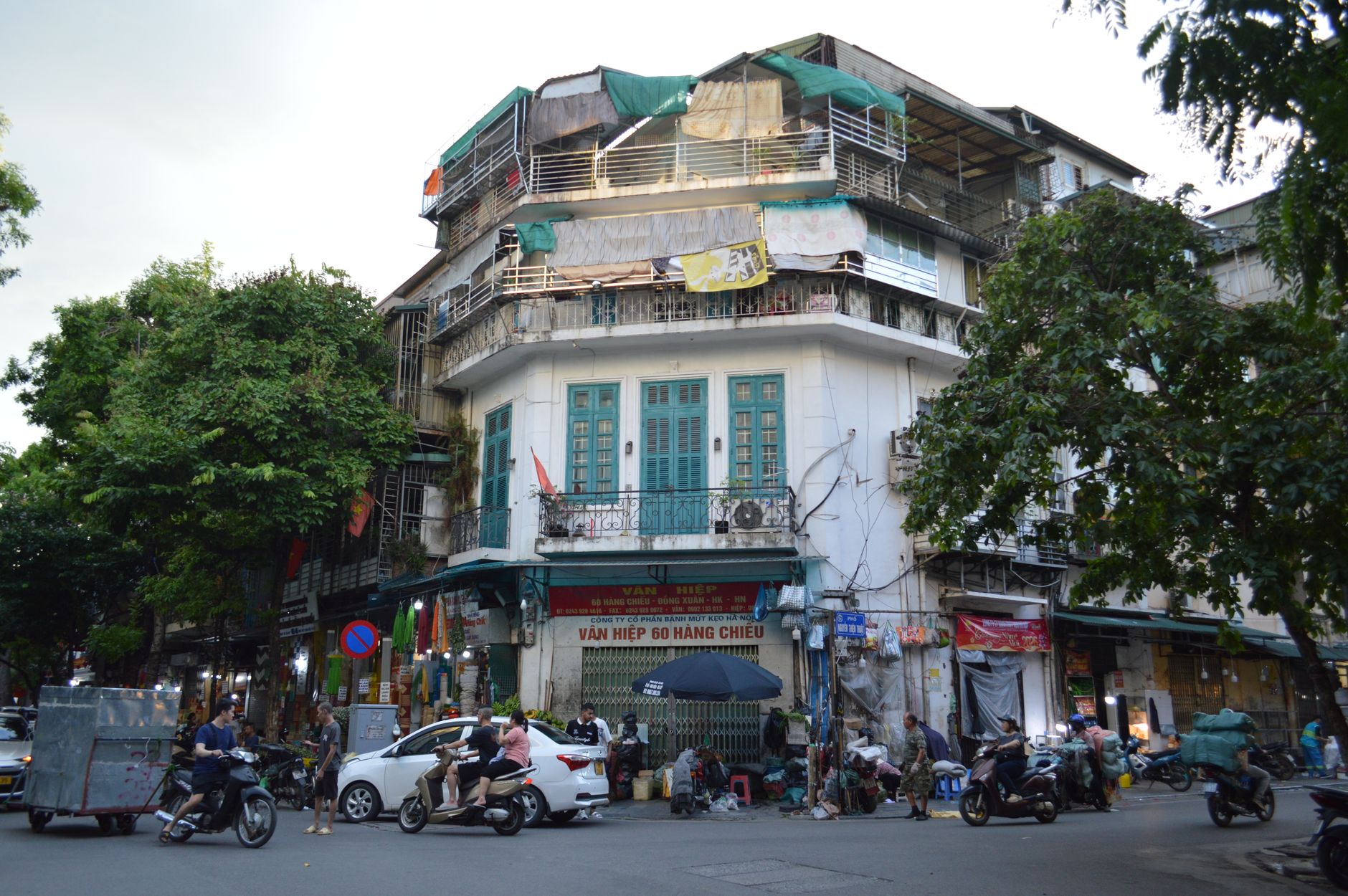
Hanoi: The Old Quarter & Beyond
Hanoi’s Old Quarter — the 36 Streets district north of Hoan Kiem Lake — is the densest, most historically layered urban neighbourhood in Vietnam. The streets are named for the goods once traded on them (Hang Bac for silver, Hang Gai for silk, Hang Dao for dye); the shop-house architecture dates to the 18th–19th century; and the street food scene (bun cha, banh mi, cha ca, egg coffee) operates from carts, plastic-stool restaurants, and long-standing family kitchens that have barely changed in 50 years. Beyond the Old Quarter: the French Quarter’s colonial avenues (Trang Tien, Ngo Quyen), the West Lake (Tay Ho) neighbourhood with its café strip and weekend market, and the long Hoan Kiem lakefront where Hanoians gather every evening for exercise, chess, and food.
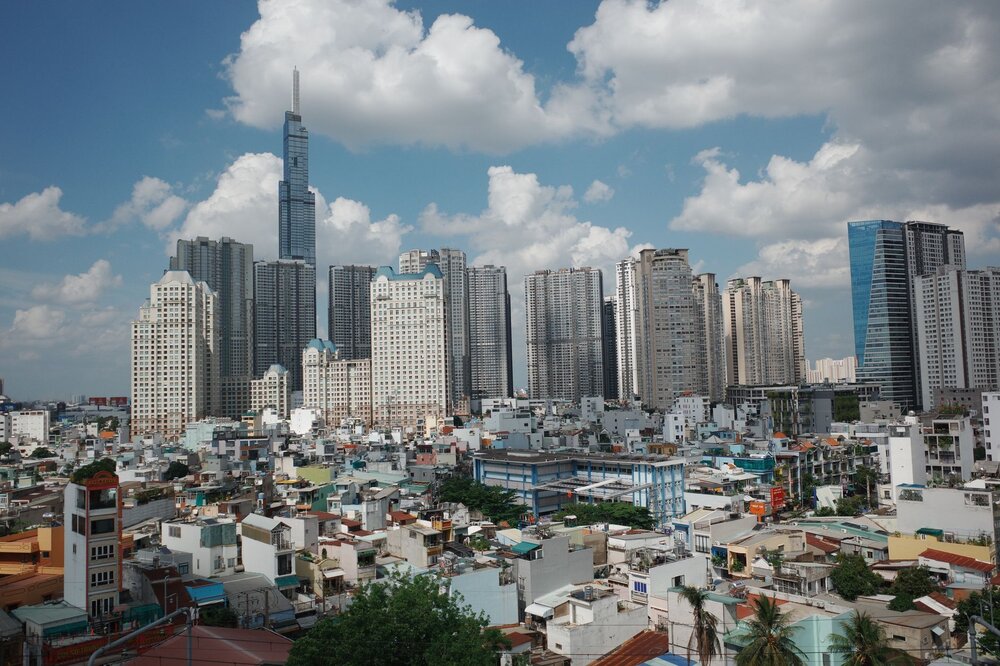
Ho Chi Minh City: Energy & Layers
Ho Chi Minh City (Saigon) is Vietnam’s engine — 9 million people in a city that never entirely sleeps, with a commercial intensity that Hanoi doesn’t match. District 1 is the colonial and business centre: the former French administrative buildings (Reunification Palace, the Central Post Office, Notre-Dame Cathedral), the rooftop bars of the Bitexco Tower district, and Bui Vien Walking Street’s backpacker strip. District 3 is the most liveable inner neighbourhood — leafy French-era streets, local coffee shops, and the city’s best mid-range restaurant strip. District 2 (Thu Duc) has the expat and international dining quarter. Ben Thanh Market is touristy but worth 30 minutes for orientation; the surrounding streets (Le Thanh Ton, Nam Ky Khoi Nghia) have the real street food.
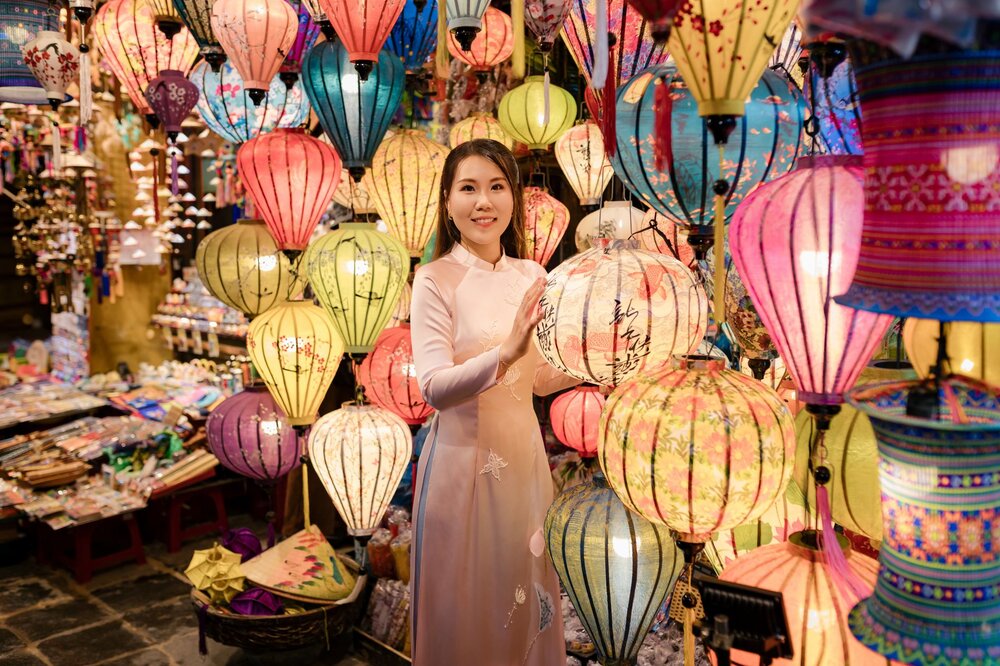
Hoi An: City Life as Heritage
Hoi An’s Ancient Town is the most intact merchant city in Southeast Asia — a UNESCO World Heritage Site where the 15th–19th century shop-houses, assembly halls, and covered bridges are still inhabited and operational. The lantern-lit streets at night, the Hoai River boat rides at dusk, and the tailor shops, cooking class kitchens, and market restaurants of the ancient town all operate within the historic fabric. Hoi An is a small city (the Ancient Town is walkable in 20 minutes end to end) but its urban character — the density of experience in a small, beautiful space — makes it the most satisfying single city to spend time in Vietnam. Avoid the Ancient Town between 10 AM and 3 PM in peak season; early morning and evening are the best windows.
City Life Tips
- Morning market routine: Vietnamese cities are at their most authentic before 8 AM — the fresh markets, the pho and bun bo breakfast stalls, and the lakefront exercise routines are all morning events; midday is for air-conditioned rest
- Traffic: Do not attempt to drive in Hanoi or Ho Chi Minh City without significant experience of Vietnamese traffic; use Grab (the Vietnamese Uber) for any journey more than 2 km — it is safe, cheap (20,000–50,000 VND for most city trips), and tracked by GPS
- Street food safety: Eat where Vietnamese locals eat, not where the English-language menu is visible from the street; look for high turnover, clean cooking surfaces, and a queue — these are better indicators of food safety than tourist-facing hygiene certificates
- City walking: Vietnamese cities are walkable only in short bursts — the heat, the pavement motorbikes, and the crossing-the-road challenge make walking tiring; alternate between walking the interesting areas and Grab for longer transfers
- Night markets: Most Vietnamese cities have a night market that is worth one evening visit — the Da Lat Night Market, Hoi An’s Nguyen Hoang Night Market, and the Ben Thanh Night Market all have street food that is distinct from the daytime restaurant circuit
Tours & activities in Vietnam
Activity links above are affiliate or partner links.