
The Reunification Express has been running the length of Vietnam since 1976 — Hanoi to Ho Chi Minh City, 1,726 km, roughly 30 to 35 hours end to end. Most travellers don’t ride the whole thing. They take a section: Hanoi to Hue, Da Nang to Nha Trang, Nha Trang to Saigon. An overnight segment saves a hotel night, gets you somewhere by morning, and the motion of the train is far easier on your body than a 10-hour bus.
This guide covers everything you need to know before you board: cabin types, how to book, what to bring, and what to actually expect overnight.
Routes worth taking by sleeper
The rail network runs 2,600 km from Hanoi to Ho Chi Minh City, with branch lines to Lao Cai (for Sapa) and Hai Phong. The main tourist segments are:
- Hanoi to Lao Cai (Sapa): 7.5 hours, departs ~9–10 pm, arrives ~5–6 am. The most popular overnight run for tourists heading to the mountains.
- Hanoi to Hue: 13–14 hours overnight. Saves a hotel night and arrives mid-morning.
- Hanoi to Da Nang: 16 hours. Daytime departures are more practical unless you want two nights on board.
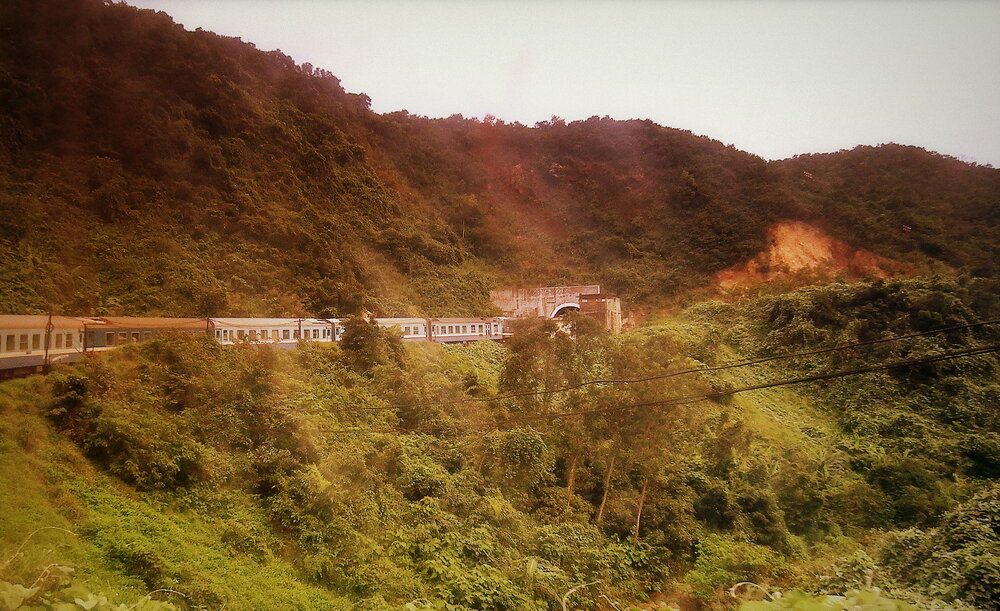
- Da Nang or Hue to Nha Trang: 10–12 hours. The coastal section through Hai Van Pass runs in daylight on most southbound schedules.
- Nha Trang to Ho Chi Minh City: 7–8 hours. Short enough that a sleeper is optional, but comfortable.
There is no train station in Hoi An. Take the train to Da Nang, then a taxi or bus to Hoi An (about 30 minutes, VND 200–350k by taxi).
Cabin classes explained
Vietnam Railways runs four classes. The one you want depends on journey length and budget.
Hard seat
Bench seating shared with whoever boards. Fine for short daytime trips under three hours — not comfortable for overnight travel. Cheapest on any route.
Soft seat
Cushioned reclining seats, air-conditioned, in cars of 60–70 passengers. Good for journeys up to five or six hours. Not suitable for sleeping overnight.
Hard sleeper (6-berth cabin)
Six bunks per cabin — two stacks of three. Mattresses are thin and firm. The top bunk has more privacy; the bottom bunk is easier to climb in and out of but people sit on it during the day. Around USD 20–25 for Hanoi to Hue. Not recommended if you are over 175 cm — the berths are genuinely short.
Soft sleeper (4-berth cabin)
Four bunks per cabin, two per side, with a lockable sliding door. Mattresses are softer and the cabins are more private. Vietnam Railways tickets run around USD 30–40 for Hanoi to Hue; private operators charge USD 40–55. This is the best value option for most travellers — private enough, comfortable enough, and roughly equivalent to the hotel night it replaces.
VIP 2-berth cabin
Available on private luxury cars only, not on standard Vietnam Railways stock. Two berths with a luggage rack where the upper bunk would be. Costs USD 50–75 on popular routes. Good choice for couples who want the cabin to themselves.
Private trains vs. Vietnam Railways
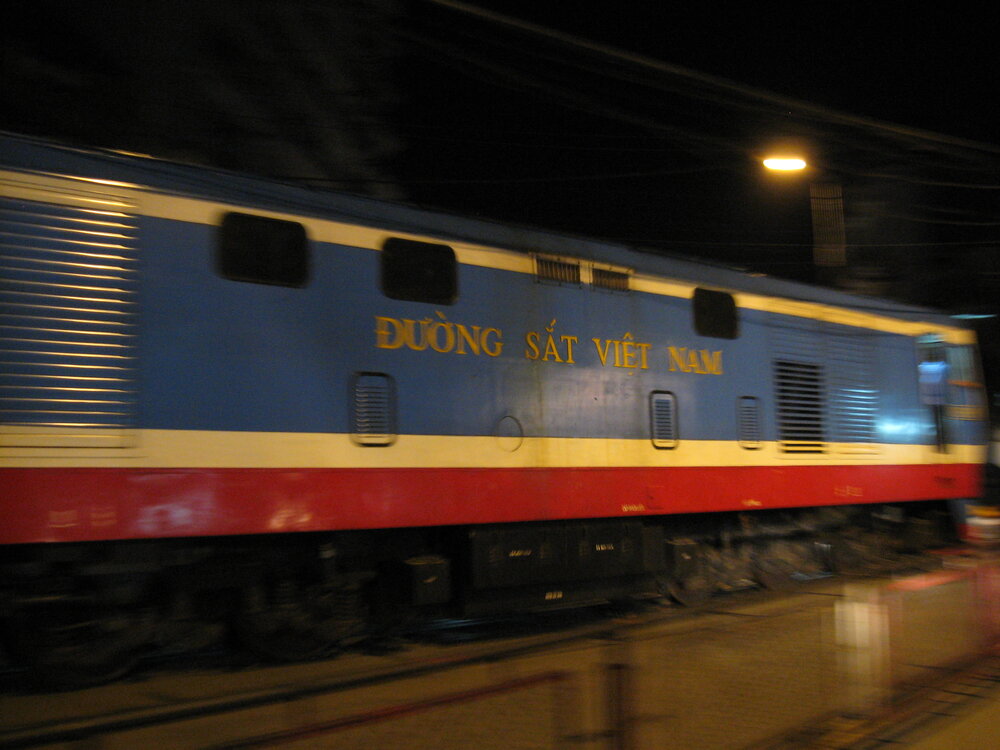
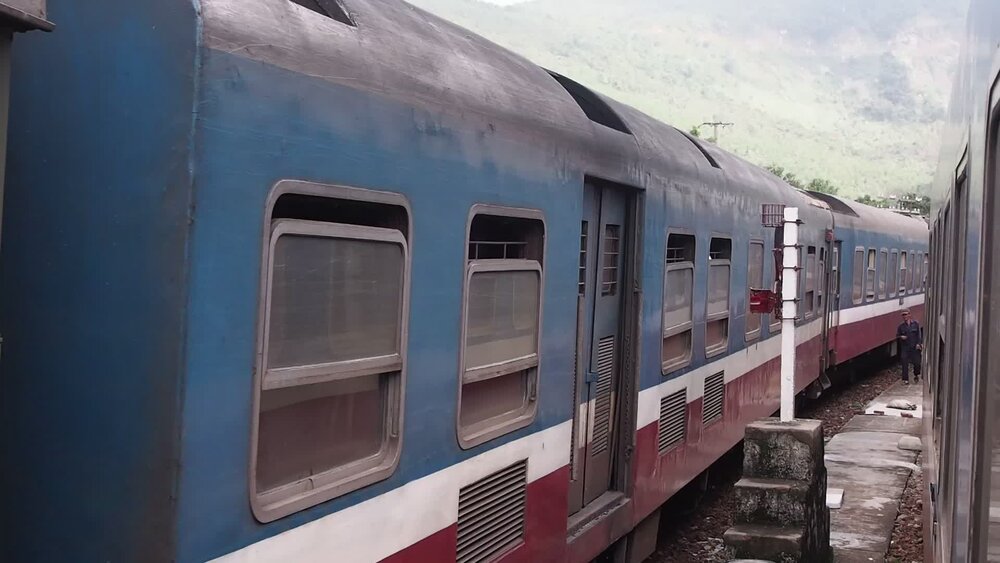
There is one physical train per route. What changes between operators is which cabins are attached to it. Private companies — Lotus Train, Chapa Express, Livitrans, Fansipan Express, among others — lease and fit out their own cars, which hook onto the same locomotive as the state-owned stock.
Private cars are typically cleaner, include free bottled water and a small snack, and have responsive WhatsApp-based support. Vietnam Railways is cheaper and books through dsvn.vn or station ticket counters.
When reading reviews, the private operators that consistently score above 4 on 12Go are Lotus Train and Chapa Express. Most others average around 3–3.5, with reviews that split between “perfectly fine” and complaints about cleanliness. Check recent reviews before paying for any private car.
How to buy tickets
Online via 12Go: 12Go shows all operators on your route — Vietnam Railways and private cars — with real reviews and online payment. The interface is far easier than dsvn.vn for foreign cards.
Direct with the operator: Private train companies take bookings via WhatsApp and send e-tickets over chat — no printing needed.
At the station: You can buy Vietnam Railways tickets at the counter, but popular overnight trains sell out on weekends and around holidays. For Hanoi–Lao Cai, book at least a week ahead during high season (September–November, March–May).
Through your hotel: Most guesthouses will book for a small commission. Convenient but they may not show all private train options.
What to expect on board
Boarding
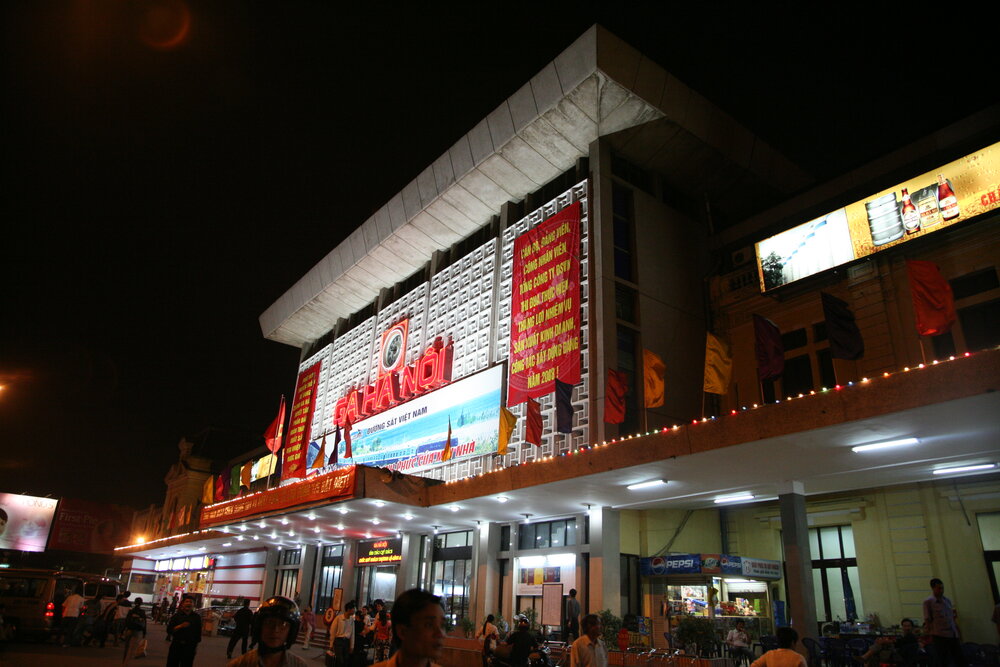
Arrive 45 minutes before departure. The main departure board shows your train number and platform. Station staff on the platform check tickets and point you to your car — the car number is printed on the ticket. Hanoi station has no lift between the main hall and the platform, so carry-on bags are easier to manage.
The cabin
Soft sleeper cabins include a pillow, blanket, and sheets, changed at origin stations (Hanoi, Ho Chi Minh City). If you board mid-route, the bedding may already have been slept on — a disposable pillow cover is cheap insurance. Each berth has its own reading light and a power socket. Windows are sealed. The air-conditioning runs constantly and gets cold overnight, so bring a layer.
Food and water
Private trains typically include bottled water and a snack. Vietnam Railways includes nothing. A cart comes through selling drinks and packaged food — cash only. If you want a real meal, bring banh mi or other food from outside the station before boarding. Stops at smaller overnight stations are short (5–10 minutes) and not reliable for buying food.
Bathrooms
One shared bathroom per car. It gets dirtier as the night goes on. Use it within the first hour of departure and bring your own toilet paper — it runs out on longer routes. There are no showers.
Sleep
The train rocks constantly, accelerates and brakes without warning, and passes through smaller stations with a horn. Light sleepers will wake up repeatedly. Earplugs make a real difference. At around 5:30 am before arrival, staff come through selling breakfast drinks; at 5:40 am the speakers start playing music — there is no sleeping through this.
Upper bunk vs. lower bunk
Lower berths cost around USD 2–3 less. They are easier to get in and out of, but other passengers sit on the edge of your bed before lights-out. Upper berths are more private and nobody bothers you, but the ladder is short and headroom is tighter. For overnight journeys, the upper bunk is generally better if you plan to sleep through most of it.
What to pack
- Earplugs — the single most useful item on any overnight train
- Eye mask — cabin mates may keep their reading light on
- Power bank or charger — each berth has a socket; bring an adapter for Vietnamese plugs (Type A/B/C)
- Disposable pillow cover — cheap, sold in most pharmacies, worth it for mid-route boarding
- Long-sleeve layer — the AC is aggressive overnight
- Toilet paper — runs out on long routes
- Cash — the food cart is cash only
- Small bag only — luggage goes under the lower bunk or on the overhead rack; a check-in suitcase will not fit comfortably in a 6-berth cabin
Safety
Train travel in Vietnam is safe. The main risk in shared 6-berth cabins is petty theft — a phone left on the edge of a berth. Sleep with valuables in your bag or under your pillow. A small padlock on your bag is enough deterrent. Soft sleeper cabins with a lockable door are lower risk. Accidents are extremely rare.
Approximate fares
One-way per person, 2025–2026:
- Hanoi to Lao Cai (~7.5 hrs): 4-berth VNR USD 15–20; private VIP 2-berth USD 30–35
- Hanoi to Hue (~13 hrs): 4-berth VNR USD 30–40; private 4-berth USD 40–55
- Hanoi to Da Nang (~16 hrs): 4-berth VNR USD 35–45; private USD 50–65
- Da Nang to Nha Trang (~10 hrs): 4-berth VNR USD 25–35
- Nha Trang to Ho Chi Minh City (~7–8 hrs): 4-berth VNR USD 20–30
Check 12Go for current prices — fares shift with demand and seat availability.
Is it worth it?
If you sleep reasonably well with noise and movement: yes. An overnight sleeper cuts out a hotel night (typically USD 15–40 in mid-range guesthouses), moves you between cities while you sleep, and the Hue–Da Nang section through Hai Van Pass is one of the better train rides in Southeast Asia when timed in daylight.
If you are a light sleeper, need a hot shower, or are travelling with large luggage, a budget flight or a proper sleeper bus on the same route may suit you better.
Tours & activities in Vietnam
Activity links above are affiliate or partner links.