
August is one of Sapa’s most rewarding months for adventurous travellers. The rice terraces are at their lushest, waterfalls are roaring after seasonal rains, and the first hints of the golden harvest begin to appear across the valleys.
Is August a Good Time to Visit Sapa?
Yes — especially if you’re visiting for the scenery rather than perfect weather. August sits near the end of Sapa’s rainy season. Frequent showers continue to nourish the famous rice terraces, creating spectacular shades of green that gradually transition to gold as harvest season approaches. By the second half of the month, some lower-altitude fields begin turning yellow, offering a preview of the iconic autumn landscapes that Sapa is famous for.
Rain is still common, but it often comes in short, heavy bursts followed by sunshine. This ever-changing weather gives the mountains a magical atmosphere, with drifting mist, dramatic clouds, and crystal-clear views after the rain passes.
August is best for: photographers, experienced trekkers, nature lovers, adventure travellers, and anyone wanting to experience authentic farming life before the harvest begins.
Weather in Sapa in August
- Daytime temperature: 21–28°C (70–82°F)
- Night temperature: 17–20°C (63–68°F)
- Rainfall: High
- Humidity: High
August weather is highly changeable. A bright, sunny morning can quickly give way to an afternoon downpour before the skies clear again. These regular showers keep the valleys vibrant, rivers flowing, and waterfalls at their most impressive.
Pros of visiting in August
- Rice terraces are spectacularly green
- Some fields begin turning golden late in the month
- Waterfalls are at their fullest
- Cooler than Vietnam’s lowland cities
- Mist creates dramatic mountain scenery
- Excellent photography conditions after rain
Cons of visiting in August
- Heavy showers can interrupt outdoor plans
- Trekking trails become muddy and slippery
- Occasional landslides may temporarily affect mountain roads
- Leeches may be present on remote trekking routes
- Mountain views can be hidden by low cloud
Best Places to Visit in Sapa in August
Muong Hoa Valley
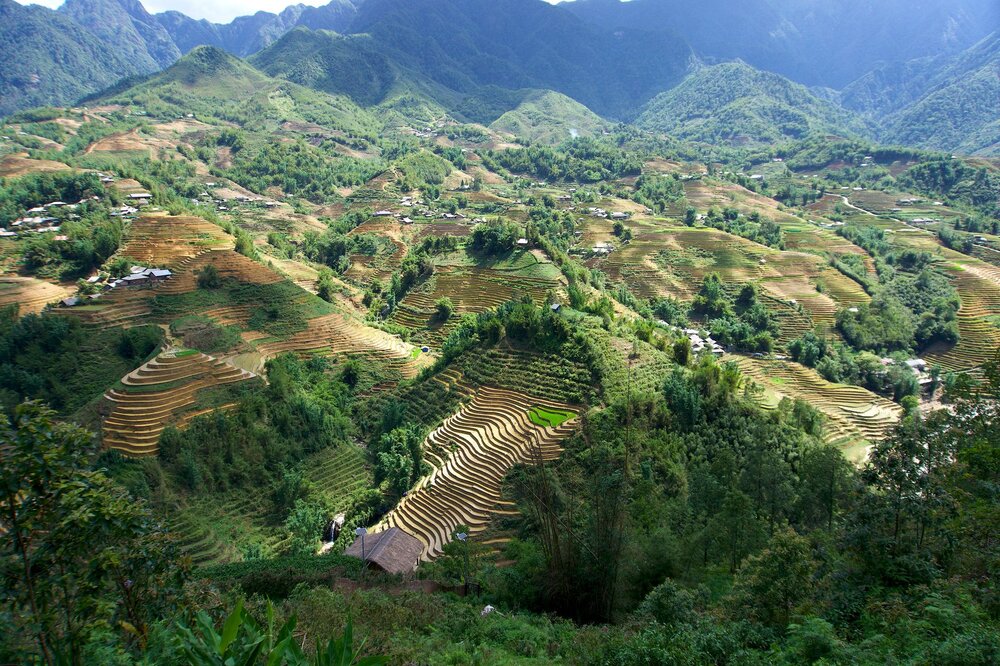
August is one of the most beautiful months to explore Muong Hoa Valley. The endless rice terraces are still predominantly emerald green, but attentive visitors may notice patches of yellow beginning to spread across lower fields as harvest season approaches. Morning mist often hangs over the valley before giving way to brilliant sunshine, creating unforgettable views.
Lao Chai & Ta Van Villages
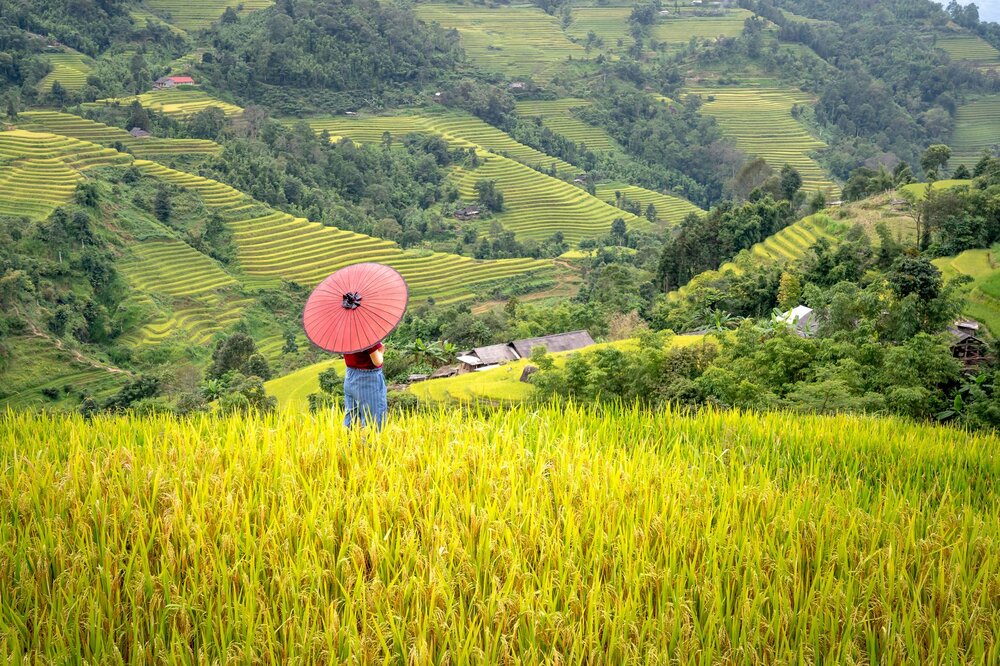
These villages offer some of the best trekking routes in northern Vietnam. The trails weave through active rice paddies where local Hmong and Giay families spend long days tending crops before harvest. It’s an excellent opportunity to witness traditional farming practices that have shaped these mountains for generations.
Bamboo Forest Trails
August is one of the best times to explore Sapa’s bamboo forests. Towering bamboo groves provide shade along many trekking routes, while their sturdy stalks can be helpful on steeper, slippery sections. The forests also showcase the incredible biodiversity of the Hoang Lien Mountains — keep an eye out for insects, butterflies, and caterpillars, particularly after rainfall.
Hidden Waterfalls
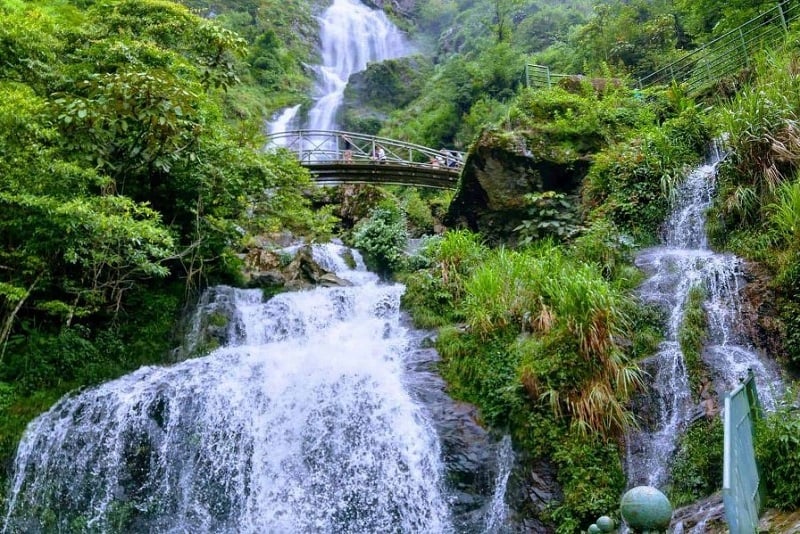
Seasonal rainfall transforms Sapa’s waterfalls into powerful cascades during August. Many smaller waterfalls that disappear during the dry season return to life, making forest treks especially rewarding. A local guide may introduce you to lesser-known falls tucked deep within the valleys.
O Quy Ho Pass
One of Vietnam’s most spectacular mountain passes becomes even more dramatic during the rainy season. Clouds drift across the peaks, sunlight breaks through unexpectedly, and every bend reveals a different mountain panorama.
Best Things to Do in Sapa in August
Trek Through the Rice Terraces
August offers some of the year’s most rewarding trekking. The rice paddies are approaching maturity, creating an ever-changing patchwork of green and early gold across the hillsides. Trails are quieter than during peak harvest season, allowing for a more peaceful experience. Be prepared for muddy paths, especially after rainfall.
Photograph the Changing Landscape
Few months are as photogenic as August. Morning mist, afternoon sunshine, dramatic storm clouds, lush valleys, and reflective rice paddies combine to create ideal conditions for landscape photography. Early mornings and late afternoons provide the best light.
Explore Bamboo Forests
Many trekking routes pass through dense bamboo groves where towering stalks sway gently in the mountain breeze. These forests offer welcome shade during warmer afternoons and provide a fascinating contrast to the open rice terraces.
Visit Seasonal Waterfalls
The rainy season breathes life into Sapa’s streams and waterfalls. Forest waterfalls are at their strongest, making them worthwhile stops during longer hikes.
Experience Rural Life Before Harvest
August is one of the busiest farming months. You’ll often see families maintaining irrigation channels, checking rice growth, and preparing for the upcoming harvest. Watching these daily routines offers valuable insight into the agricultural traditions that define life in Vietnam’s northern highlands.
Festivals & Events in August
Harvest Preparation
Across the valleys, farmers begin preparing for the rice harvest, which usually starts from mid-August in some lower areas and continues into September at higher elevations. Visitors can observe the final stages of rice cultivation and gain a deeper appreciation for the hard work behind Sapa’s famous terraces.
Local Markets
Weekend ethnic markets continue throughout August, bringing together Hmong, Dao, Giay, and other minority communities to trade produce, handmade textiles, herbs, and traditional foods. These markets remain one of the most authentic cultural experiences in the region.
What to Pack for Sapa in August
- Clothing: Lightweight trekking clothes, waterproof rain jacket, quick-drying trousers, breathable shirts, hiking boots with excellent grip, spare socks
- Essentials: Backpack rain cover, waterproof phone case, compact umbrella, insect repellent, sunscreen, hat, trekking poles (recommended for muddy trails), reusable water bottle
Travel Tips for August
- Begin treks early to avoid afternoon showers
- Check weather forecasts before venturing into remote areas
- Wear proper hiking boots — clay trails become extremely slippery after rain
- Consider hiring a local guide for longer or less-travelled trekking routes
- Be flexible with your itinerary, as mountain weather changes quickly
- Carry waterproof protection for electronics and cameras
- Avoid trekking immediately after exceptionally heavy rainfall due to possible landslides
Frequently Asked Questions
Is August a good month to visit Sapa?
Yes. August is ideal for travellers seeking vibrant green landscapes, authentic village life, and excellent trekking before the main harvest season begins.
Are the rice terraces green or golden in August?
Most terraces remain brilliantly green, but by the second half of August some lower-altitude fields begin turning golden as harvest approaches.
Does it rain all day in Sapa in August?
Usually not. Rain often comes as short but intense showers, followed by sunshine and clear skies.
Is trekking difficult in August?
It can be. Rain turns many trails into slippery clay paths, so good footwear and careful footing are essential. A local guide is recommended for longer routes.
Are waterfalls worth visiting in August?
Absolutely. August is one of the best months to see Sapa’s waterfalls, as streams are running full from the rainy season.
Should I hire a guide in August?
A local guide is highly recommended for longer treks or exploring lesser-known villages and forest trails, especially during the rainy season.
Is August crowded in Sapa?
August sees a mix of domestic holidaymakers and international travellers, but is generally less crowded than the peak rice harvest season in September.
Tours & activities in Sapa
Activity links above are affiliate or partner links.