
Ho Chi Minh City doesn’t ease you in gently.
The traffic hits you first. Then the noise. Then the heat. And if you’re standing on a pavement while a hundred motorbikes file past at close range, you might wonder whether you’ve made a terrible mistake.
You haven’t.
Saigon — as everyone still calls it — is one of the most energetic, chaotic and genuinely exciting cities in Southeast Asia. Once you find your footing, it’s almost impossible not to enjoy yourself.
The question is where to start. There’s a lot here, and not all of it is worth your time in equal measure.
This is the list I’d actually give a friend visiting for the first time.
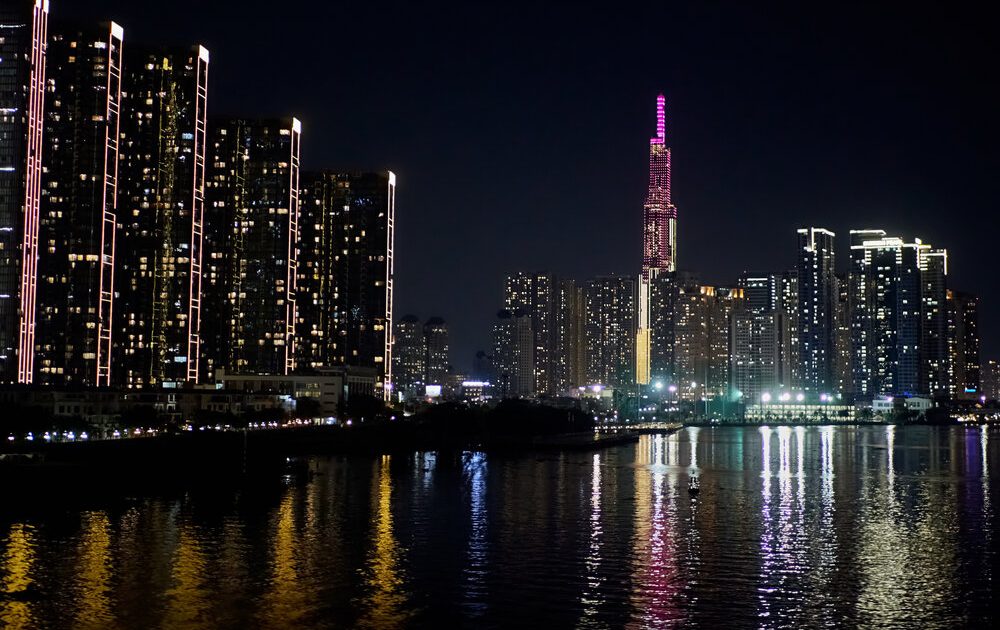
Historical & cultural sights
1. Independence Palace
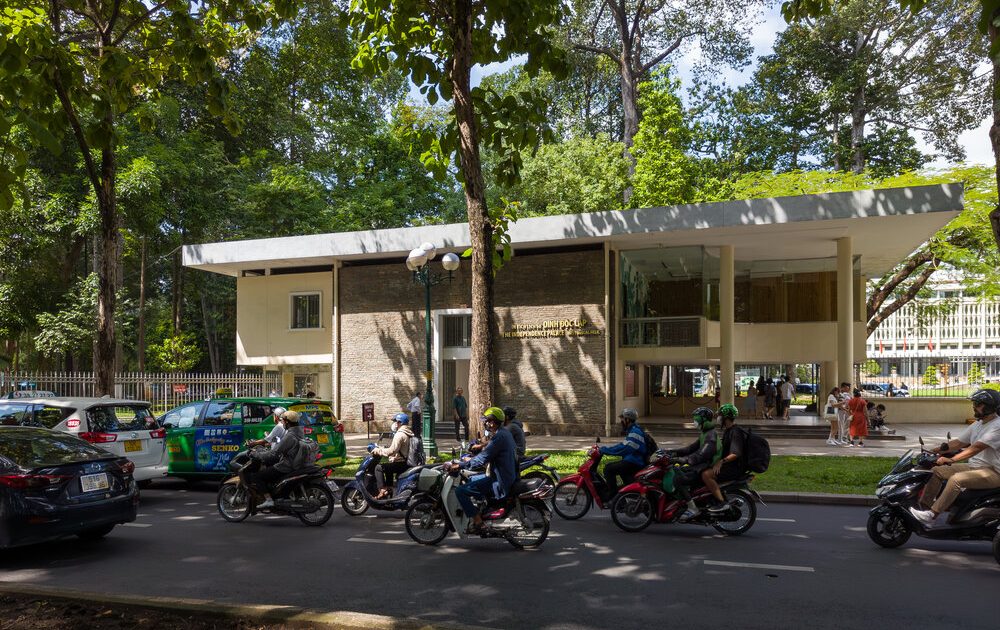
If you only visit one historical site in Ho Chi Minh City, make it Independence Palace.
This is where South Vietnam’s government operated during the war, and where Communist tanks crashed through the gates on 30 April 1975 — the moment that ended the conflict and reunified the country.
The building is frozen more or less as it was left. You can walk through the presidential reception rooms, explore the basement war room with its vintage communications equipment, and see the rooftop helipad. There’s something genuinely strange about standing in a place that witnessed one of the defining moments of 20th-century history.
Budget 1.5 to 2 hours. It’s in District 1 and easy to combine with the War Remnants Museum nearby.
2. War Remnants Museum
This is not a comfortable museum.
The War Remnants Museum documents the Vietnam War from the Vietnamese perspective, with exhibits covering chemical warfare, civilian casualties, international media coverage and the long-term effects of Agent Orange.
Some of the photography is graphic. The Requiem exhibition — featuring the work of photographers who died covering the conflict — is genuinely moving. The outdoor yard has tanks, aircraft and artillery that children tend to find fascinating in the way children often do with large machines.
I wouldn’t skip it. But I’d also think twice before scheduling anything demanding immediately afterwards. Give yourself time to decompress.
Get there early before tour groups arrive. It’s in District 3, a short Grab ride from the city centre.
3. Saigon Central Post Office
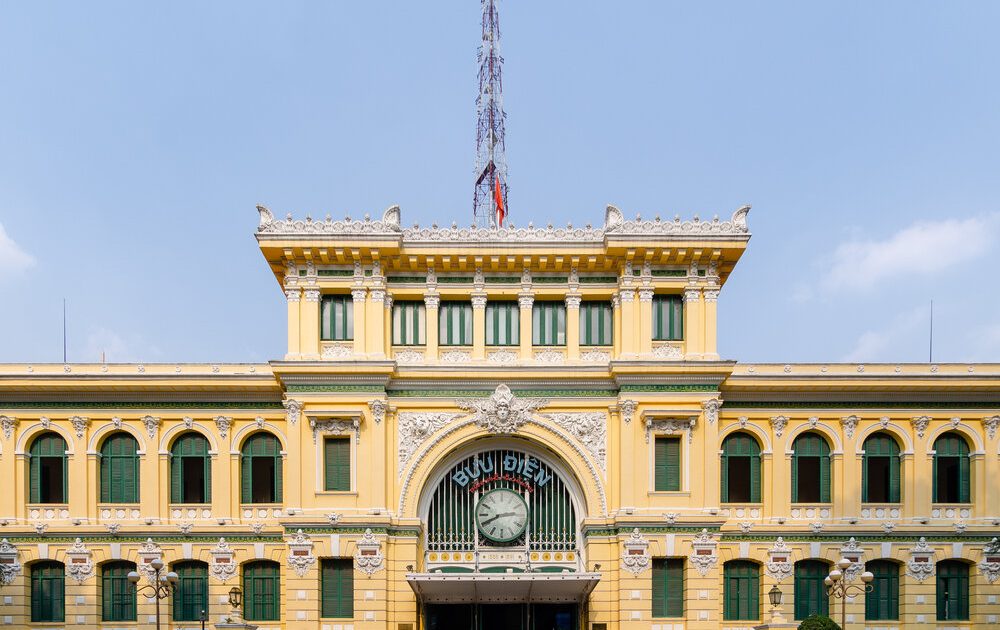
Built between 1886 and 1891, the Saigon Central Post Office has been operating continuously for well over a century. The yellow-green façade and vaulted interior make it one of the most photogenic colonial buildings in Vietnam.
Entry is free. Walk in, look up at the ceiling, find the old maps painted on the walls. If you want to send a postcard home, this is the place to do it — you’re literally standing in a working post office.
Notre Dame Cathedral is directly across the road (still under restoration as of 2026, so exterior-only views). Both together make for a 30-minute stop that’s easy to combine with the Book Street next door.
4. Jade Emperor Pagoda
Built in 1909 by the Cantonese community, the Jade Emperor Pagoda is one of the most atmospheric temples in Ho Chi Minh City.
It’s not the most famous sight in the city, but it’s one of my favourites precisely because it hasn’t been turned into a tourist spectacle. Incense hangs thick in the air. The wooden carvings are extraordinary. Locals come here to pray, not to pose for photos.
Dress appropriately — cover knees and shoulders — and be respectful if people are in the middle of worship.
It’s about 2.5 km from Ben Thanh Market, so a short Grab ride from the centre.
5. Pink Church (Tan Dinh)
Officially the Church of the Sacred Heart of Jesus, everyone knows it as the Pink Church.
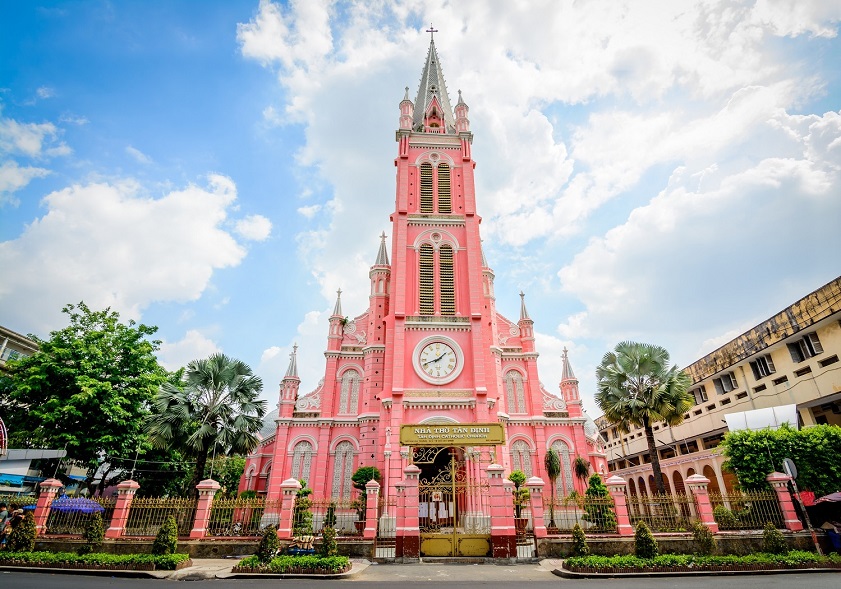
Built in 1876 and repainted its distinctive rose hue in 1957, it’s one of the most photographed buildings in the city. The best angle is directly across the road — and if you want a coffee with a view, there’s a Cong Cafe upstairs nearby that looks right at the facade.
You can photograph the exterior freely. The interior is open to mass attendees.
The surrounding Tan Dinh Market is also worth exploring — textiles, produce, street food — if you want a slightly less tourist-focused market experience than Ben Thanh.
Landmarks & viewpoints
6. Saigon Skydeck, Bitexco Tower
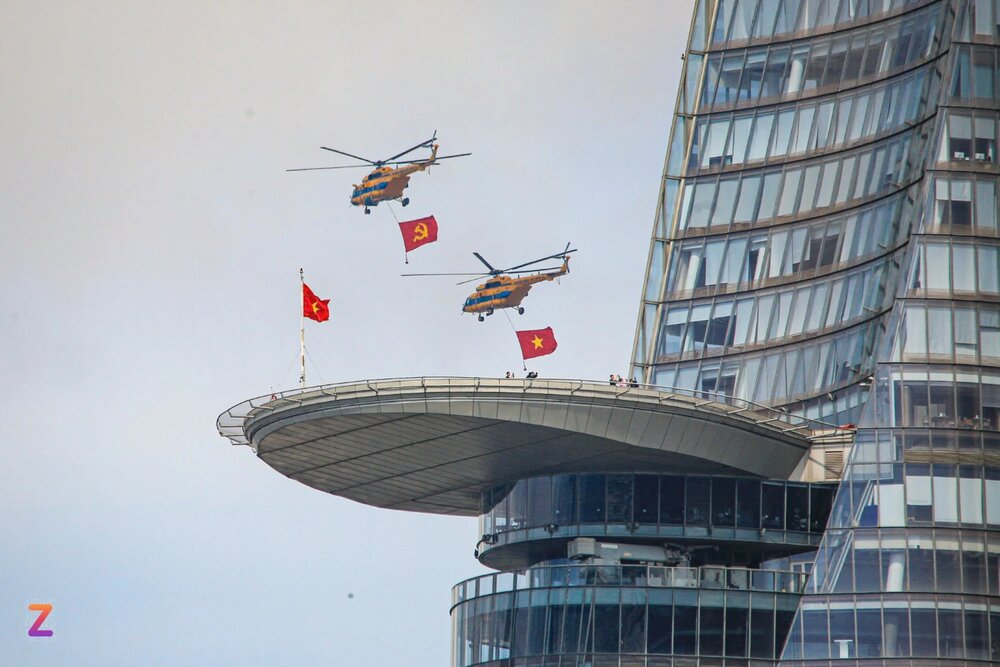
The Saigon Skydeck sits on the 49th floor of the Bitexco Financial Tower — the building with the helipad that juts out from the side like a flying saucer. Admission is around 240,000 VND for adults.
The views are good. It’s not the tallest building in the city (Landmark 81 holds that title), but Bitexco is more central and easier to combine with other District 1 sights.
I’d call it a nice bonus rather than an essential stop — but if you want a birds-eye view of how the city fits together, this is one of the easier ways to get one.
→ Book Saigon Skydeck tickets on Klook
7. Nguyen Hue Walking Street
Nguyen Hue is a 900-metre pedestrian boulevard running from the People’s Committee building (with the Ho Chi Minh statue) down to the Saigon River.
Come in the evening when the temperature drops and the street fills with locals, families, street performers and food stalls. On weekends there are often events and displays.
The highlight for most visitors is the Cafe Apartments building at No. 42 — a nine-storey 1960s residential block that has been converted floor by floor into cafés, boutiques, a coworking space and rooftop lounges. Each floor is different. Start at the bottom and work your way up.
8. Saigon Opera House
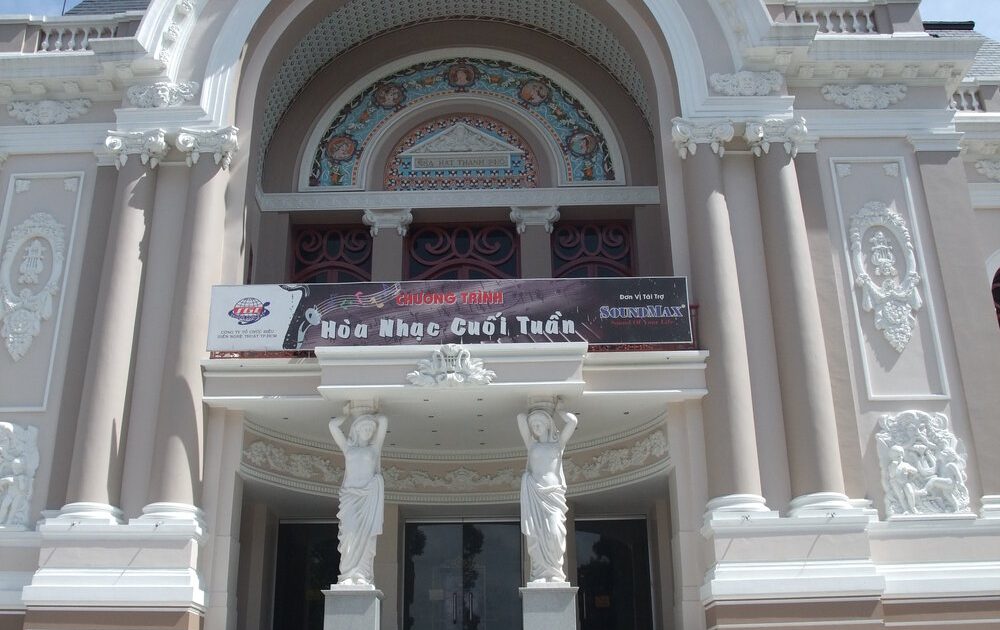
The Saigon Opera House is one of the finest pieces of colonial architecture in the city. Built at the end of the 19th century, it still hosts performances most evenings.
The most popular show for visitors is the ÀÕ Show — a bamboo-acrobatics and circus performance that blends traditional Vietnamese imagery with contemporary movement. Think Cirque du Soleil with a Vietnamese soul. Tickets range from around 800,000 to 1,750,000 VND depending on seating.
Book at least a few weeks ahead, especially if you’re travelling during peak season. Front-row seats sometimes appear in lower price categories, so it’s worth checking carefully.
Markets & neighbourhoods
9. Ben Thanh Market
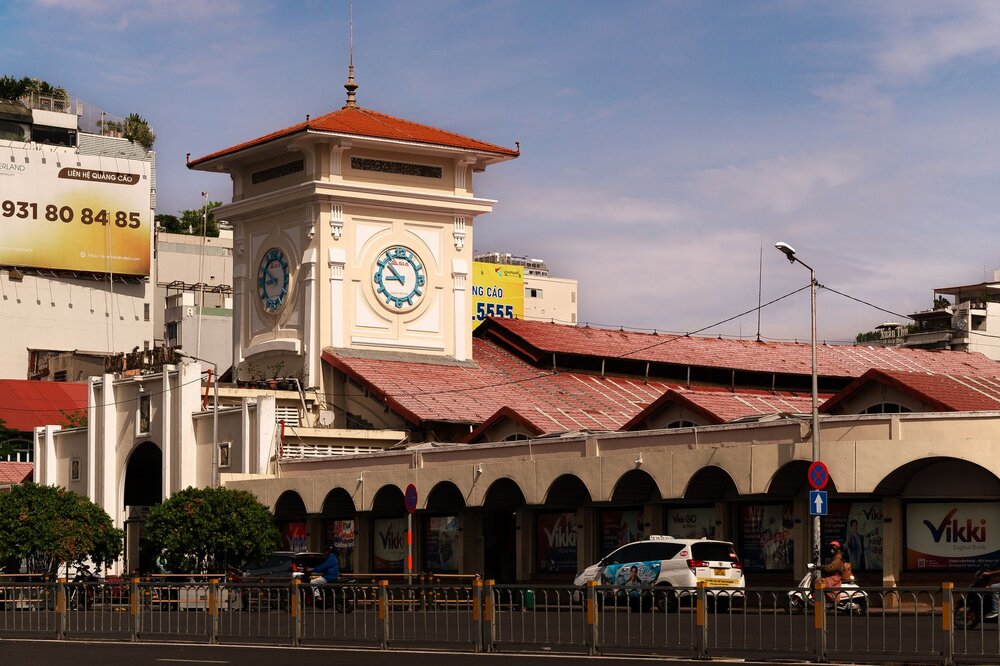
Ben Thanh Market is touristy. I’m not going to pretend otherwise.
But it’s also a genuine landmark with more than 1,500 vendors across 13,000 square metres, and the food court inside is actually decent for a quick meal — bánh xèo and spring rolls are good starting points.
The outer perimeter stalls tend to have fixed prices. Inside, bargaining is expected. Keep your bag in front of you in the busy sections.
Open 6am to 10pm daily. Worth a wander rather than a dedicated half-day.
10. Cho Lon — Saigon’s Chinatown
Most visitors to Ho Chi Minh City skip Cho Lon entirely, which is a mistake.
The Chinese community has been here for centuries, and District 5 still has a completely different feel from the rest of the city. Ornate temples, traditional medicine shops, dim sum restaurants, Binh Tay Market with its wholesale food and produce — it’s one of the places in Saigon that still feels genuinely local.
Arrive hungry. The food around Binh Tay Market is excellent.
11. Nguyen Van Binh Book Street
Just around the corner from the Central Post Office, Book Street is a tree-lined pedestrian lane with bookshops, cafés and art exhibits.
It’s peaceful by Ho Chi Minh City standards, which makes it a useful stop when you need a few minutes away from the traffic. You’ll find Vietnamese and some English-language titles, plus good coffee.
12. Bui Vien at night
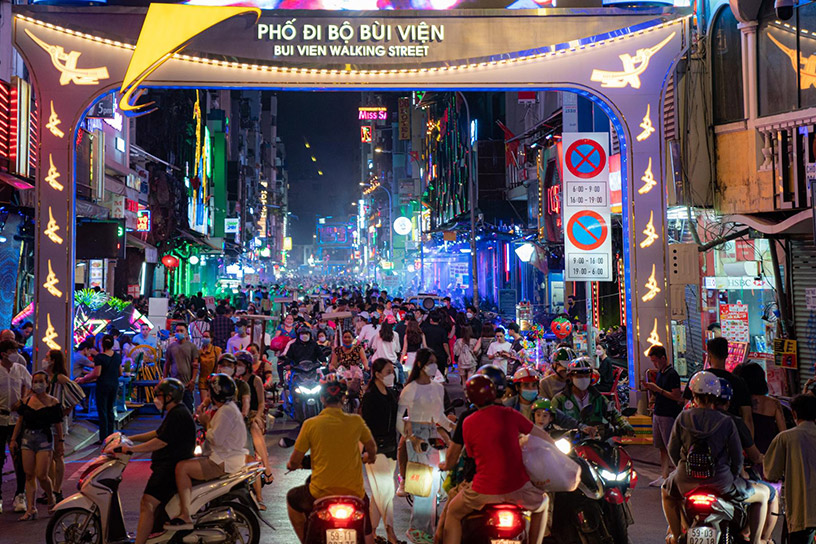
I’m including Bui Vien not because I think it’s great, but because it’s famous and you’ll probably ask about it.
Bui Vien is Ho Chi Minh City’s backpacker nightlife strip — bars, neon signs, cheap beer, loud music and wall-to-wall tourists. It’s chaotic. It’s not particularly authentic. It’s also oddly entertaining for exactly one hour if you’re in the right mood.
Go, have a look, have a drink. Then leave and go somewhere better.
Watch your pockets here more than anywhere else in the city.
Day trips from Ho Chi Minh City
13. Cu Chi Tunnels
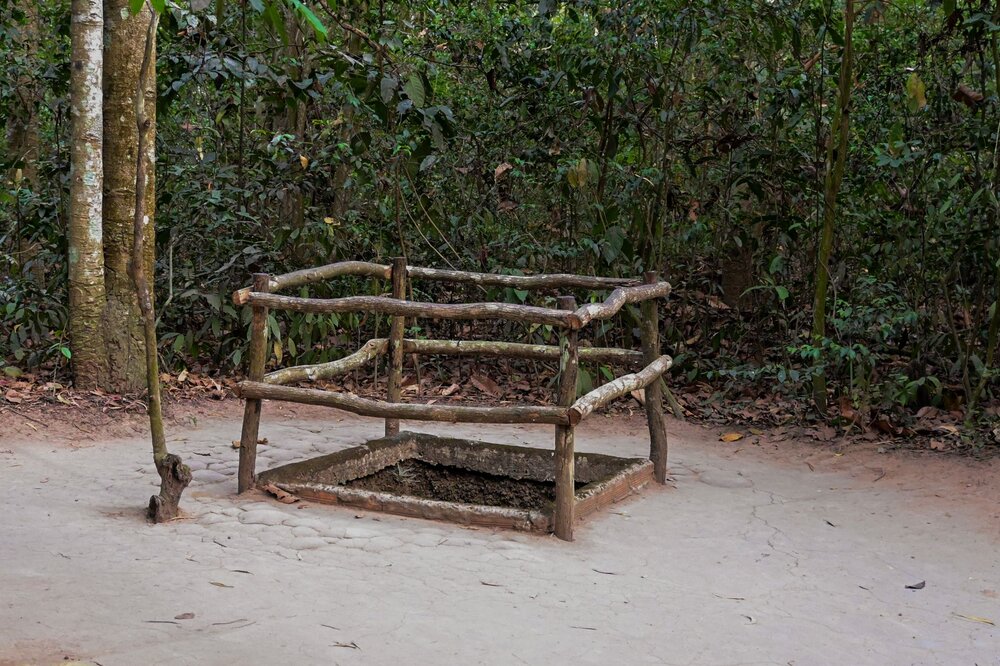
The Cu Chi Tunnels are the most popular day trip from Ho Chi Minh City, and for good reason.
The Viet Cong built and expanded this network of underground tunnels during decades of conflict, using them for communication, supply lines, field hospitals and living quarters. Today, sections have been widened for visitors to crawl through — some remain deliberately cramped to give you a real sense of what the original tunnels were like.
There are two main sites: Ben Dinh (closer, more tourist-oriented) and Ben Duoc (further, quieter, more authentic). If you have the choice, Ben Duoc is worth the extra travel time.
Half-day tours are the most common option. Full-day tours also include other sites nearby.
→ Browse Cu Chi Tunnels day tours
14. Mekong Delta
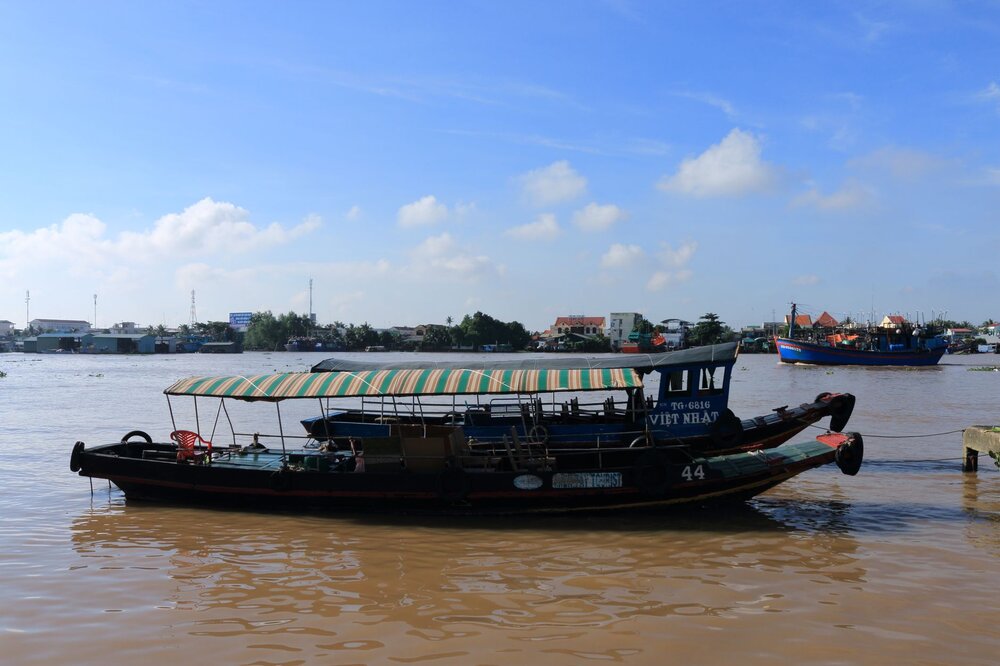
The Mekong Delta is about two hours south of Ho Chi Minh City, and the contrast couldn’t be more complete.
Where the city is vertical, loud and relentless, the delta is flat, waterlogged and unhurried. Canals instead of roads. Sampan boats instead of motorbikes. Coconut palms, floating markets, honeybee farms and villages that have been doing exactly the same thing for generations.
A day trip is enough for a taste. But if you have two or three days, spending a night in Can Tho or Chau Doc gives you time to actually understand the place rather than rushing through it.
→ Browse Mekong Delta day trips & tours
Food, coffee & experiences
15. Eat com tam for breakfast
Com tam — broken rice — is one of the most distinctly Saigonese meals you’ll have in Vietnam.
The rice is served with grilled pork chop (suon nuong), a fried egg, shredded pork skin (bi), steamed egg meatloaf (cha trung) and a bowl of fish sauce broth on the side. It’s a meal that technically qualifies as breakfast but works at any hour.
Look for places with plastic stools on the pavement and a queue of office workers. That’s the one to go to.
→ Vietnam food guide — dishes worth knowing before you go
16. Try egg coffee
Egg coffee originated in Hanoi, but it’s found all over Ho Chi Minh City now — and it’s worth trying at least once.
Strong Vietnamese coffee is topped with a whipped mixture of sweetened condensed milk and egg yolk, creating something between a dessert and a drink. It doesn’t taste eggy. It tastes like a very rich, very smooth coffee mousse.
The Cafe Apartments on Nguyen Hue has several good options. Little HaNoi Egg Coffee has multiple District 1 locations if you want to go somewhere dedicated to it.
17. Take a street food tour
The best way to eat well in Ho Chi Minh City is to go where locals eat, which sounds obvious until you realise that without guidance you’ll keep ending up on the same tourist-facing restaurant strip.
A street food tour changes that. A good one will take you to places you would never have found yourself — late-afternoon bánh xèo spots, tucked-away bun thit nuong joints, night market stalls that don’t have English menus.
Evening tours (departing around 4–6pm) are particularly good because you catch the city waking up for its second act.
18. Explore the craft beer scene
Ho Chi Minh City has a genuinely impressive craft beer scene — some people call it the craft beer capital of Southeast Asia, which might be slightly overblown but isn’t entirely wrong.
A few places worth knowing:
- Pasteur Street Brewing — the original, still one of the best. The Jasmine IPA is worth ordering. Multiple taprooms across the city.
- Heart of Darkness — hazy IPAs, popular on weekends.
- Belgo — Belgian-inspired, good patio, solid food menu.
- 7 Bridges Brewing — Da Nang-based but with HCMC taprooms; gold medal at the 2025 Asia Beer Championships.
19. Ride the new metro
Ho Chi Minh City’s Metro Line 1 opened in December 2024, connecting Ben Thanh Market to the eastern suburbs in around 30 minutes.
Is it essential? Not really, unless you’re heading to Suoi Tien. But it’s air-conditioned, it’s clean, it takes contactless payment, and riding it feels like a small milestone in a city that has been promising this metro for about fifteen years.
Fares run from 6,000 to 19,000 VND per ride. Worth doing once just to say you did.
If you have more time
20. Visit the History Museum
The History Museum of Ho Chi Minh City is the quieter, calmer alternative to the War Remnants Museum.
It covers Vietnamese history from prehistoric periods through the French colonial era, with 18 galleries across multiple floors. The building itself — a colonial structure next to the Saigon Zoo — is worth seeing.
Entry is cheap. Go on a weekday morning when it’s almost empty.
21. Explore Thao Dien
If you’ve been in District 1 for a few days and want somewhere that feels slightly different, take a Grab to Thao Dien (the expat-heavy neighbourhood in what used to be District 2).
It’s a riverside area with boutique shops, craft cocktail bars, good coffee, quieter streets and enough rooftop bars to spend an entire evening without rushing.
It’s not the “real” Saigon in any romantic sense — it’s comfortable, well-catered and clearly aimed at people with money. But sometimes that’s exactly what you want after a few intense days in the city centre.
22. Catch the water puppet show
Water puppetry is a centuries-old Vietnamese art form performed in a waist-deep pool, with intricately carved wooden puppets operated from behind a curtain by performers standing in the water.
The show at Golden Dragon Water Puppet Theater runs nightly at 6:30pm. It’s performed entirely in Vietnamese but follows simple storylines — fishing scenes, dragon dances, folk legends — that are easy to follow without subtitles.
It runs about an hour and is genuinely impressive if you’ve never seen it. Book tickets in advance or via Klook.
Practical notes
Getting around: Grab is the easiest option for most journeys. Walking works well within District 1. The new metro covers the Ben Thanh to eastern corridor. Avoid negotiating with unlicensed taxis. Know the fair prices before you go: here are the common scams in Vietnam.
Entry requirements: Most nationalities need a Vietnam e-visa before arrival. → Vietnam entry requirements checklist
Train connections: Arriving or leaving by train?
Ho Chi Minh City → Nha Trang ·
Ho Chi Minh City → Da Nang
Full city guide: → Ho Chi Minh City Travel Guide — where to stay, best time to visit, safety, costs and more
Tours & activities in Ho Chi Minh City
Activity links above are affiliate or partner links.