
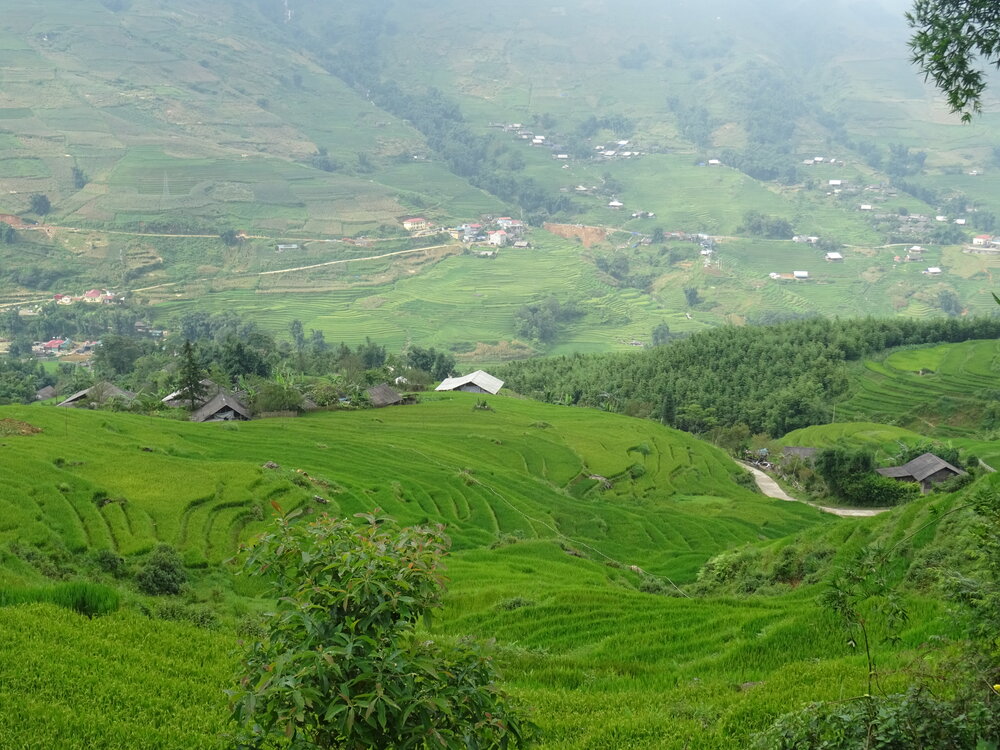
June is the start of the rainy season in Sapa. The terraces in the Muong Hoa Valley are flooded and planted with rice seedlings — the fields turn from bare brown earth to sheets of water that reflect the sky before the shoots emerge green. Trails are wet and often muddy, mornings are misty, and tourist numbers drop sharply compared to the spring peak. If you come prepared for the rain, June offers some of the best scenery of the year at lower prices and with smaller crowds on the popular treks.
Weather in Sapa in June
Sapa sits at 1,500 m and stays cooler than the lowlands throughout June — afternoon temperatures reach 24–27°C, mornings start around 17–18°C. Rain typically comes in the afternoon or evening; full-day downpours are less common than short, heavy showers. Morning hours are usually the clearest window for trekking and photography.
- Average high: 24–27°C
- Average low: 17–18°C
- Rain days: Around 18–20 days in the month — mostly afternoon showers
- Humidity: High — mist settles in the valleys after rain and often lingers into mid-morning
- Crowds: Low — June is off-peak for international visitors; some domestic tourism on weekends
The Rice Terraces in June
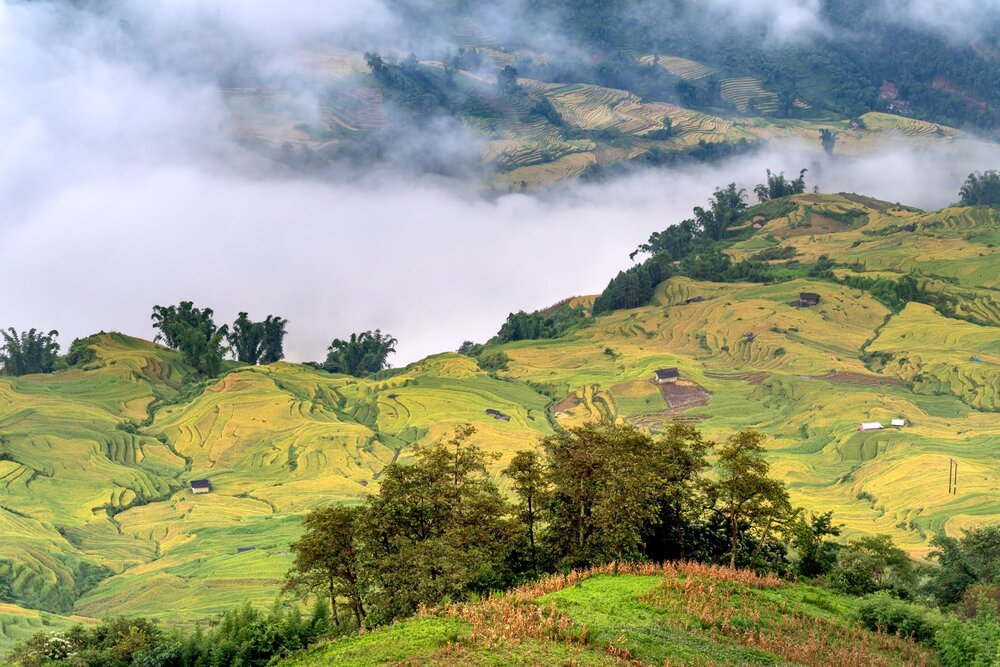
The Muong Hoa Valley is the focus. In early June the terraces are flooded — farmers channel water down from the mountain streams to prepare for planting. The flooded fields act as mirrors: on clear mornings the sky and surrounding peaks reflect in the water. By mid to late June the rice seedlings have been transplanted and the green shoots are just starting to show. This transition period — water giving way to bright green — is what makes June one of the best months for terrace photography.
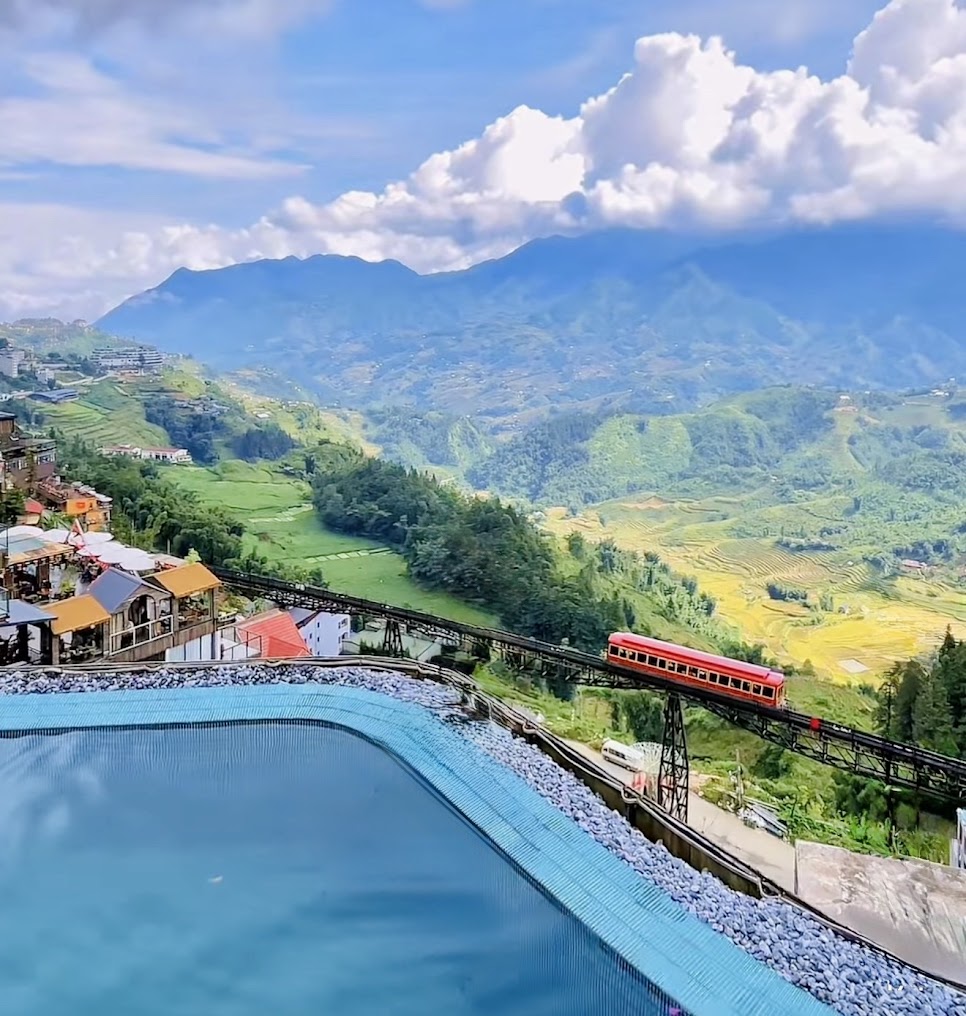
Sapa’s terraces and the nearby Y Ty terraces (further east, harder to reach) follow the same cycle. For the Muong Hoa Valley, the road from Sapa town runs down through Lao Chai and Ta Van villages — a route you can do by motorbike, bicycle, or on foot.
Trekking in June
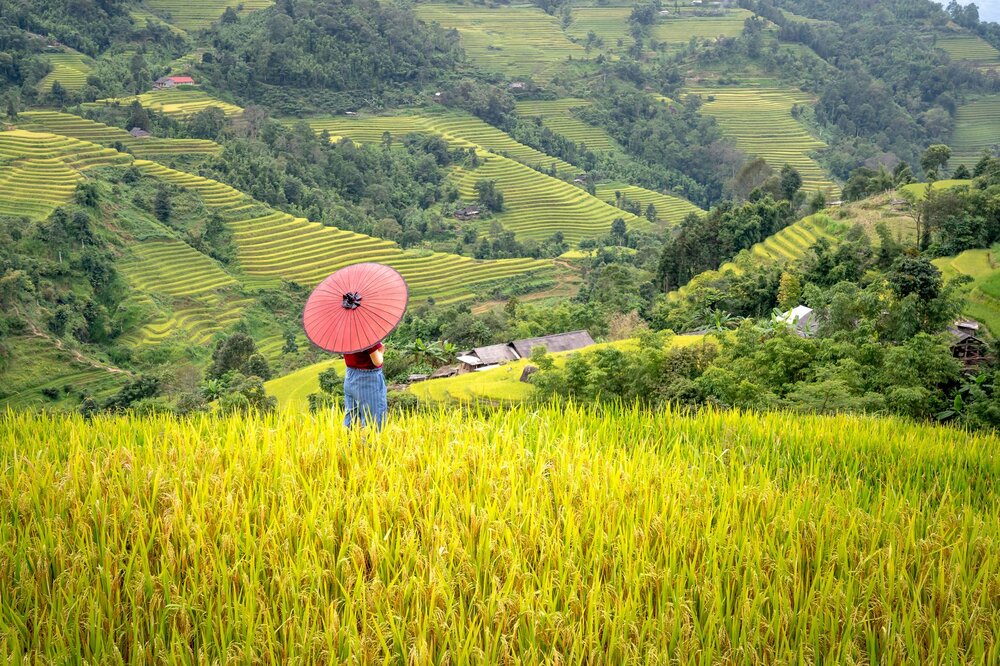
The standard Lao Chai to Ta Van trek (about 10 km, 4–5 hours at a gentle pace) remains the most accessible route in June. The path follows the Muong Hoa river through rice terraces and passes through Black H’mong and Giay minority villages. Sections of the trail get muddy after rain and a few river crossings can swell — start before 9am while the ground is still firm from the overnight cool.
Ta Phin village to the northeast is a shorter option (6 km round trip from the trailhead) through Red Dao territory — quieter than Lao Chai and a better choice if you want to avoid guide-led tour groups. Ban Ho village, further down the valley toward Bac Ha, takes most of a day and requires a guide or local transport — the reward is passing through Tay minority settlements that see far fewer visitors.
Trail conditions in June: Wear waterproof boots with ankle support — not trail runners. Trails above 1,800 m can be genuinely slippery after rain. A trekking pole helps on descents. Leeches are present from June onward; tuck socks over trouser legs and check after each rest.
Fansipan in June
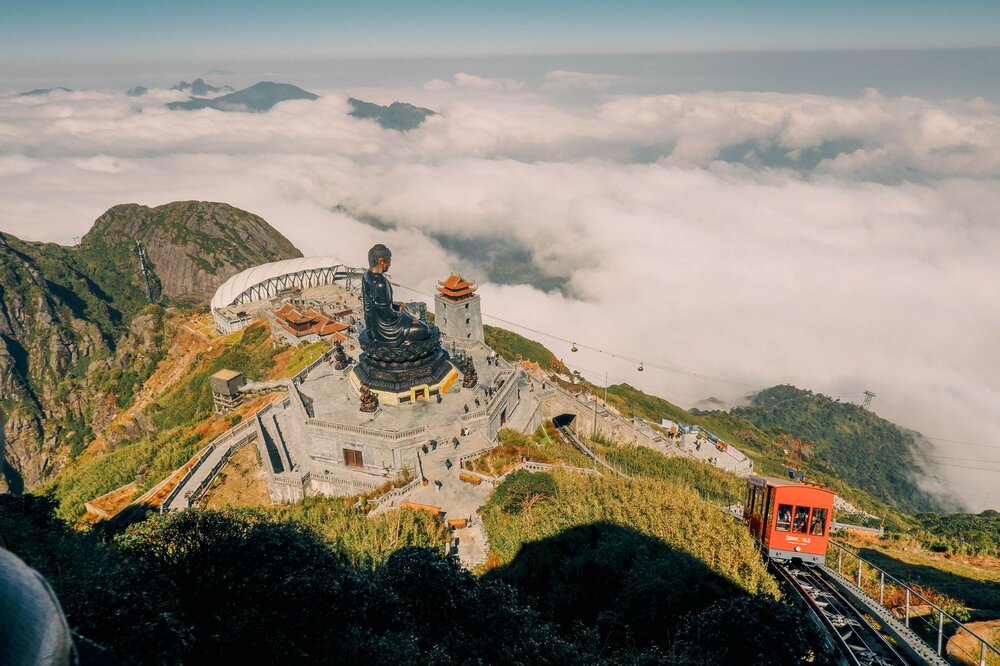
Fansipan (3,143 m) is accessible year-round via the Sun World cable car from Sapa town. In June the summit is frequently in cloud — views over the range are not guaranteed — but the cable car ride itself, through mist and over the valleys, is worth doing regardless of summit visibility. Go early: the cable car opens at 7:30am and morning cloud is lighter than afternoon. By 11am the queue builds and visibility often drops.
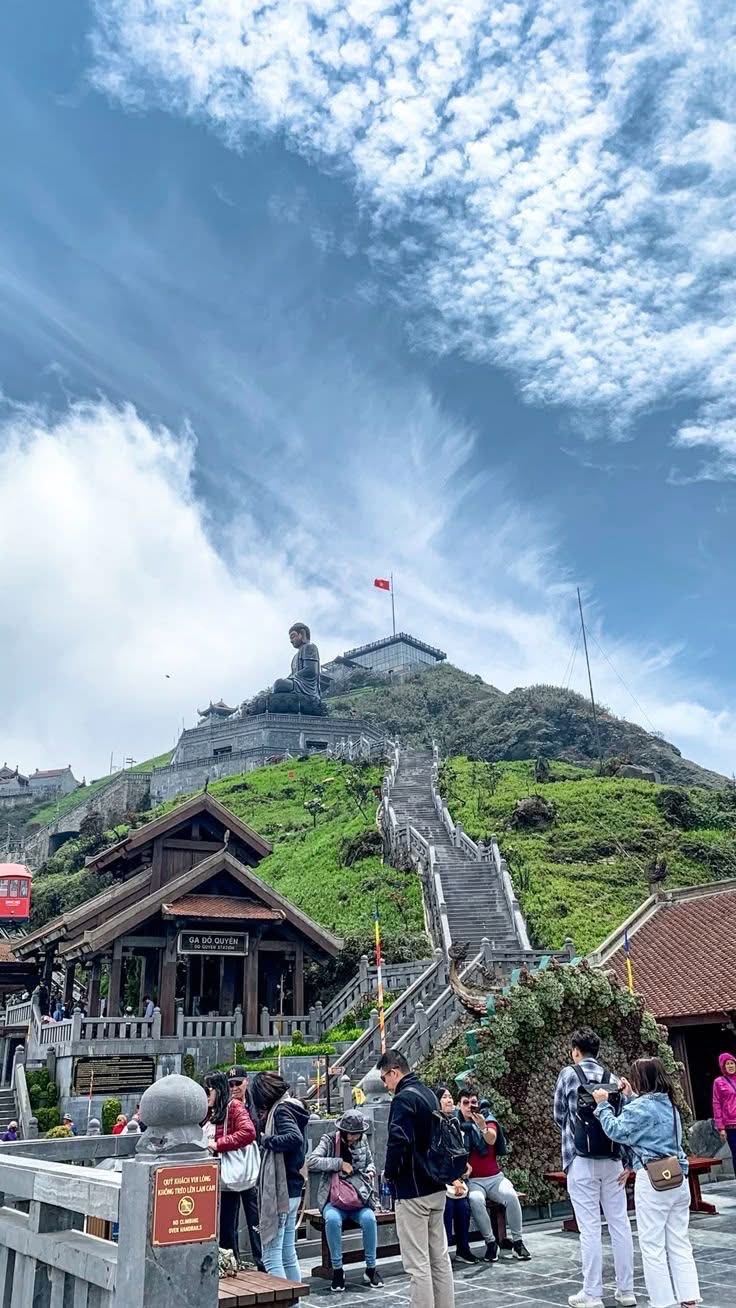
The cable car takes about 15 minutes each way and deposits you near the summit, from where a funicular or a flight of 600 steps reaches the top. The round trip costs around 750,000–900,000 VND; book online to avoid the ticket queue. The Tram Ton pass road below the cable car base station is one of the best short drives from Sapa — the Tram Ton Pass at 1,900 m is the highest road pass in Vietnam and the viewpoints back toward the valley are good even in damp weather.
Cat Cat Village & Silver Waterfall
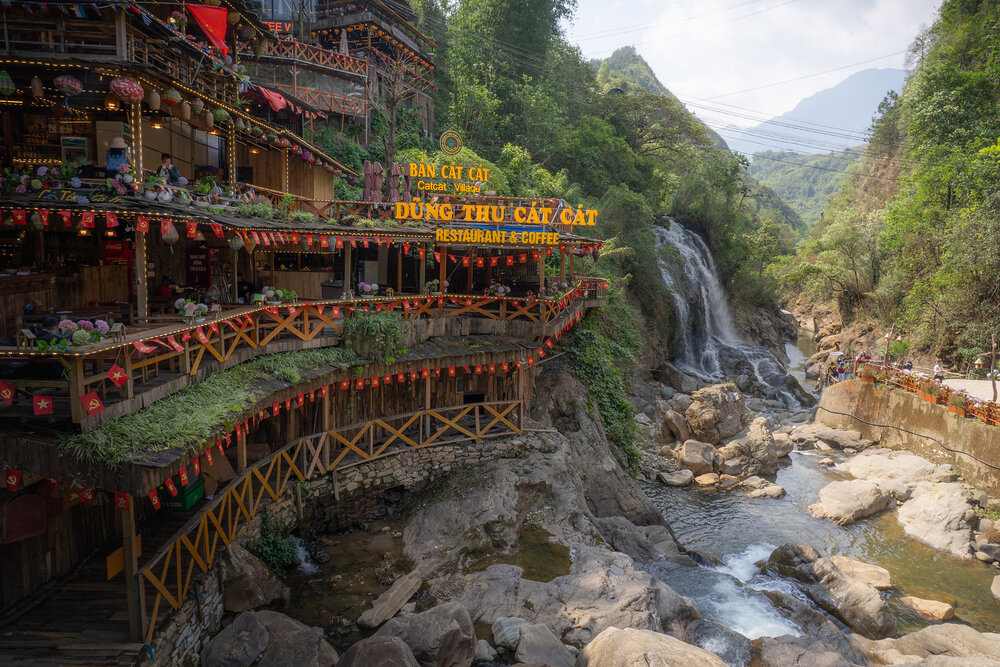
Cat Cat village is 2 km downhill from Sapa town centre — a 30-minute walk or a quick motorbike ride. It’s the most visited village near Sapa and feels it: there’s an entry fee (70,000 VND), a paved path, craft stalls, and cultural shows. In June the surrounding terraces are at their most photogenic, which offsets the tourist infrastructure. The walk back up to town is steep enough that most people take a motorbike taxi down and walk back up, or do it the other way.
Silver Waterfall (Thac Bac) is 12 km from Sapa town on the road to the Tram Ton Pass. In June, with rain feeding the mountain streams, the waterfall runs harder than at any other time of year — the volume in the wet season is substantially greater than the thin trickle you see in dry-season photos. There are stairs for higher viewpoints and a small café at the base. Combine it with the Tram Ton Pass road on the same half-day trip.
Practical Tips for June
- Start early: Best light and firmest trails are before 9am; afternoon showers are the norm
- Footwear: Waterproof boots — trail runners will be soaked within an hour on wet paths
- Layers: Mornings start around 17°C; afternoons warm to 25°C then cool fast after rain — a light fleece and a waterproof shell cover the full range
- Rain gear: A proper waterproof jacket, not just a poncho — you’ll be walking in it for hours
- Leeches: Present on jungle trails from June onward; tuck socks over trouser cuffs; salt or lighter removes them
- Book accommodation early on weekends: Domestic tourists from Hanoi fill Sapa on Saturday nights even in low season
- Guides: The Lao Chai–Ta Van trail is easy to walk without a guide; Ban Ho, Sin Chai, and longer routes benefit from local knowledge on wet terrain